

Cystitis Treatment
Cystitis Treatment (Urinary Tract Infection)
Painful urination, constant urge to go, lower abdominal discomfort — these are classic signs of cystitis, an extremely common condition especially among women. Intimo Life offers effective antibiotics specifically for treating urinary tract infections, so you can get relief quickly and conveniently.
💊 Ciprofloxacin antibiotics available in multiple brands — highly effective against the bacteria that cause urinary tract infections.
👨⚕️ Consult a pharmacist online instantly — no travel, no queues, completely private and convenient.
🚚 Fast, confidential delivery — plain packaging with no product names on the outside, delivered safely to your door.
What medicine treats cystitis?
Fluoroquinolone antibiotics like Ciprofloxacin are the main treatment for cystitis, offering broad coverage against the main causative bacteria. This lower urinary tract infection is especially common in women because their shorter urethra makes it easier for bacteria to reach the bladder. Always finish the full course your pharmacist recommends to reduce resistance and recurrence risk.
🛒 Shop the range above · 24-hour dispatch from Intimo Life — consult a pharmacist if unsure.
Cystitis is a lower urinary tract infection (UTI) that is extremely common, particularly among women.
📊 Key statistics:
- Approximately 50-60% of women will experience cystitis at least once in their lifetime
- Women are up to 30 times more likely than men to develop cystitis, due to having a shorter urethra that allows bacteria easier access to the bladder
- Around 25-30% of women who've had cystitis will experience a recurrence within 6 months
💊 The most effective treatment for cystitis is Ciprofloxacin, a Fluoroquinolone antibiotic with broad-spectrum activity against the bacteria most commonly responsible for UTIs.
⚠️ Antibiotics must be taken for the full prescribed course. Do not stop early even if symptoms improve, as this can lead to antibiotic resistance.

Available Treatments
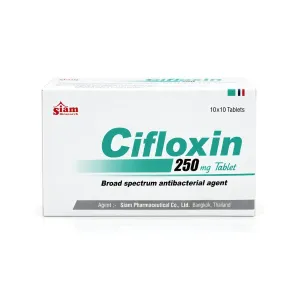 Cifloxin
Ciprofloxacin antibiotic for urinary tract infection
✓ In stockFrom 68.00 ฿(฿6.8/tablet)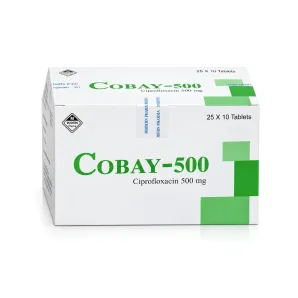 Cobay-500
Norfloxacin antibiotic for UTI and diarrhea
✓ In stock40.00 ฿(฿4/tablet)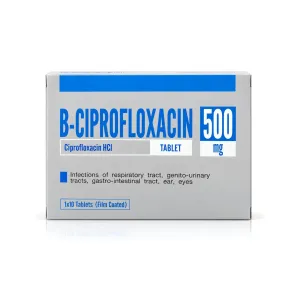 B-Ciprofloxacin
Ciprofloxacin antibiotic, effective for UTI
✓ In stock49.00 ฿(฿4.9/tablet)
About Cystitis
What is Cystitis?
Cystitis is a bacterial infection of the bladder — the lower part of the urinary tract. The most common culprit is E. coli, a type of bacteria that normally lives in the intestines. When these bacteria enter the urethra, they can travel up to the bladder and cause infection.
In women, the urethra is only 3-4 centimetres long and sits close to the vagina and anus. This is why women are far more prone to cystitis than men.
What Are the Symptoms of Cystitis?
Symptoms typically appear quickly and are easy to recognise.
🔥 Common symptoms — Burning or stinging pain when urinating / frequent urge to urinate but passing only small amounts / feeling like you can't fully empty your bladder / dull ache or pressure in the lower abdomen above the pubic bone / cloudy urine or urine with a stronger smell than usual
⚠️ Symptoms that require immediate medical attention — High fever with chills / pain in the back, sides, or flanks (may indicate the infection has spread to the kidneys) / blood in urine / nausea and vomiting
What Causes Cystitis?
Several factors increase the risk.
🚿 Wiping the wrong way — Wiping back to front after using the toilet can transfer bacteria from the anus to the urethra. Always wipe front to back.
💑 Sexual activity — Intercourse can push bacteria towards the urethra, which is why cystitis is sometimes called "Honeymoon Cystitis."
💧 Not drinking enough water / holding urine too long — Holding urine gives bacteria more time to multiply in the bladder. Low fluid intake makes urine more concentrated and irritating.
🧴 Fragranced products near the intimate area — Scented soaps or sprays can irritate the urethra.
🩺 Physical factors — Pregnancy, menopause (declining oestrogen thins urethral lining), diabetes, and weakened immune systems all increase risk.
How Does Ciprofloxacin Treat Cystitis?
Ciprofloxacin is a Fluoroquinolone antibiotic with broad-spectrum activity against E. coli and other common UTI-causing bacteria. It works by inhibiting the DNA gyrase enzyme, preventing bacteria from replicating.
At Intimo Life, we offer three Ciprofloxacin options:
- Cifloxin — Ciprofloxacin specifically for urinary tract infections
- B-Ciprofloxacin — Broad-spectrum antibiotic
- Cobay-500 — High-efficacy antibacterial
Typical dosage — Ciprofloxacin 500 mg twice daily (morning and evening) for 3-7 days, depending on symptom severity.
Important Rules When Taking Ciprofloxacin
Key restriction — Do not take with milk, dairy products, antacids containing aluminium/magnesium, or iron supplements, as these significantly reduce absorption. Allow at least 2 hours between them.
Other precautions — Drink plenty of water throughout the course / avoid excessive sun exposure as the medication may increase sun sensitivity / complete the full course even if symptoms improve — stopping early risks antibiotic resistance / not recommended during pregnancy or breastfeeding
Possible side effects — Nausea, diarrhoea, headache, dizziness. These are usually mild. If you experience unusual tendon or joint pain, stop the medication and consult a doctor immediately.
Is Cystitis Related to Abnormal Vaginal Discharge?
These two conditions are related but distinct.
Cystitis is an infection of the urinary tract, while abnormal vaginal discharge (Bacterial Vaginosis) results from an imbalance of bacteria in the vagina. However, both can occur simultaneously — when vaginal balance is disrupted, bacteria can more easily enter the urethra.
If you experience both painful urination and unusual discharge at the same time, consult a pharmacist to determine whether both conditions need treatment.
How to Prevent Cystitis
Simple habit changes can significantly reduce your risk.
💧 Drink enough water — At least 6-8 glasses per day to help flush bacteria from the urinary tract.
🚽 Don't hold your urine — Go whenever you feel the urge. Don't hold for more than 3-4 hours.
🧻 Wipe front to back — Every time after using the toilet, to prevent bacteria from the anus reaching the urethra.
💑 Urinate after sex — This helps flush out any bacteria that may have been pushed towards the urethra during intercourse.
🧼 Avoid fragranced soaps — Use plain water or mild, unscented soap for the intimate area.
👗 Wear cotton underwear — Better breathability reduces bacterial build-up.
Recurrent Cystitis — What Can I Do?
Some women experience cystitis repeatedly, particularly those who are sexually active, use certain contraceptive methods like diaphragms, or are post-menopausal.
If you get cystitis more than 3 times per year, see a doctor for further investigation. They may prescribe low-dose continuous antibiotics for prevention, or a single dose of antibiotics to take after sex if that's the trigger.
Cranberry products may offer some preventive benefit, but they cannot replace antibiotics for treating an active infection.
Can Men Get Cystitis?
Yes, though it's much less common than in women. Men over 50 are at higher risk, often due to an enlarged prostate that prevents the bladder from fully emptying, allowing bacteria to accumulate.
In men, cystitis may indicate an underlying issue that needs further investigation. Medical consultation is recommended if symptoms occur.
When Should You See a Doctor?
While most cystitis cases respond well to antibiotics, see a doctor if you experience:
🚨 High fever, chills, or back/flank pain (may indicate kidney infection) / blood in urine / symptoms not improving after 3 days of antibiotics / recurrences more than 3 times per year / currently pregnant / male with UTI symptoms
These could indicate that the infection has spread to the kidneys or that there's an underlying condition requiring further investigation.
⚠️ Disclaimer
The information on this page is for general informational purposes only and is not intended to replace professional medical advice, diagnosis, or treatment from a qualified doctor or pharmacist. If you have any questions about your symptoms or medication, always consult a doctor or pharmacist first.
References
- Feldman, H.A. et al. (1994). "Impotence and its medical and psychosocial correlates: results of the Massachusetts Male Aging Study." The Journal of Urology
- Hatzimouratidis, K. et al. (2016). "Guidelines on Male Sexual Dysfunction." European Association of Urology (EAU)
- Eardley, I. et al. (2010). Pharmacotherapy for Erectile Dysfunction
- Thai FDA (สำนักงานคณะกรรมการอาหารและยา)
- Mayo Clinic — Erectile Dysfunction: Symptoms and Causes
Frequently Asked Questions
Very mild cases may improve with plenty of fluids, but antibiotics are generally recommended. Left untreated, the infection can spread to the kidneys, which is far more serious.
Very likely. Blood in urine doesn't occur in every case. Painful urination, lower abdominal discomfort, and frequent urge to go with small output are sufficient to suspect cystitis.
Cranberry may help with "prevention" to some extent, but it's not a treatment. Once you have an active infection, antibiotics are necessary. Cranberry is better used as a preventive measure against recurrence.
No. Dairy products, antacids, and iron supplements reduce absorption significantly. Wait at least 2 hours between taking the medication and consuming these products.
It's not prohibited, but it may increase discomfort. It's better to wait until symptoms improve. Always urinate immediately after sex to flush out bacteria.
Cystitis is an infection of the bladder (lower urinary tract) — the main symptom is painful urination. A kidney infection (pyelonephritis) affects the kidneys (upper urinary tract) and typically involves high fever, back pain, and chills. Kidney infections are more serious and require immediate medical attention.
Related Reads


Honeymoon Cystitis in Women: What to Know
Why women get cystitis more often — anatomy and hormones.


Cystitis Treatment: Which Antibiotic Works?
Antibiotics for cystitis — which ones and how long to take.

What Is Cystitis? Symptoms, Causes, Treatment
Cystitis: how to treat it? Complete answers in one place.
Recently viewed products