

Migraine Treatment
Migraine Treatment — Fast Relief from Migraine Pain
A migraine isn't just a headache — it's a severe, debilitating neurological condition that can leave you unable to function for hours or even days. Intimo Life offers targeted migraine medication that works directly on the mechanisms behind migraine pain, unlike ordinary painkillers.
💊 Two types of migraine-specific medication — Triptan and Ergotamine. Targeted relief that works on the cause, not just the symptom.
👨⚕️ Consult a pharmacist online instantly — no travel, no queues, completely private and convenient.
🚚 Fast, confidential delivery — plain packaging with no product names on the outside, delivered safely to your door.
Which migraine medicine brand is best?
Migraine is a common chronic neurological headache disorder, especially in women due to hormonal factors. Triptan-class drugs like Sumatriptan are newer medications that target the specific mechanism behind migraine, while Ergot-class drugs like Ergotamine are an older, long-used option. Both act differently from ordinary painkillers, so consult a pharmacist before choosing one.
🛒 Shop the range above · 24-hour dispatch from Intimo Life — consult a pharmacist if unsure.
Migraine is a chronic neurological condition — far more than just a headache. It affects roughly 1 billion people worldwide and is a leading cause of disability.
📊 Key statistics:
- Approximately 1 billion people worldwide suffer from migraines — the third most common neurological condition
- Women are 3 times more likely to experience migraines than men, largely due to hormonal factors
- Migraine is the second leading cause of disability globally in people under 50
💊 At Intimo Life, we offer two classes of migraine-specific medication:
- Sumatriptan (Triptan class) — The modern gold-standard treatment for acute migraine
- Ergotamine (Ergot class) — A long-established migraine treatment
⚠️ These migraine medications work differently from ordinary painkillers like paracetamol — they target the specific mechanisms behind migraine, making them far more effective. Consult a pharmacist before use.

Available Treatments

About Migrain
What Is a Migraine? What Causes It?
Migraine is a chronic neurological condition — not just a bad headache. It involves abnormal brain chemistry, particularly changes in Serotonin and CGRP (Calcitonin Gene-Related Peptide), which cause abnormal blood vessel dilation and nerve hypersensitivity in the brain.
🧬 Migraines are caused by multiple factors working together:
- Genetics — Migraines run in families. If a parent has migraines, the likelihood of developing them increases significantly
- Brain chemistry abnormalities — Particularly involving Serotonin and CGRP, which drive inflammation and blood vessel dilation in the brain
- Triggers — Each person has different triggers: stress, sleep disruption, certain foods, hormonal changes, and more
What Does a Migraine Feel Like?
Migraine symptoms are distinctly different from ordinary headaches.
🔴 Core migraine symptoms — Severe, throbbing pain usually on one side of the head (sometimes both) / pulsating pain that follows the heartbeat / lasts 4-72 hours without treatment / nausea and vomiting / sensitivity to light, sound, and smell / pain worsens with movement or activity
✨ Migraine with aura — 20-60 minutes before the headache, some people experience warning signs: flashing lights, zigzag lines in vision, numbness in hands or face, difficulty speaking. The aura usually resolves as the headache begins.
😫 Postdrome ("migraine hangover") — After the pain subsides, many people feel drained, foggy, and fatigued for 1-2 days.
What Triggers Migraines?
Everyone has different triggers. Identifying yours is key to prevention.
😰 Stress and emotions — The number one trigger. Both acute stress and the "letdown" after stress (e.g. weekend after a busy work week) can provoke attacks.
😴 Sleep disruption — Too little sleep, too much sleep, or sudden schedule changes.
🍫 Food and drink — Cheese, chocolate, red wine, MSG, fermented foods, caffeine (both excess intake and sudden withdrawal).
🌤️ Environmental factors — Bright or flickering lights, loud noise, strong odours, extreme heat, or sudden weather changes.
🩸 Hormones — Women often experience migraines around menstruation, linked to falling oestrogen levels. Certain contraceptive pills may affect migraine patterns.
💊 Certain medications — Vasodilators and some hormonal treatments.
How Does Sumigran (Sumatriptan) Work?
Sumigran is a Triptan-class migraine medication containing Sumatriptan — considered the gold standard for treating acute migraine attacks.
It works by binding to Serotonin receptors (5-HT1B/1D), which causes the abnormally dilated brain blood vessels to constrict back to normal, reduces nerve inflammation, and blocks pain signals to the brain.
Advantages of Sumigran — Targets migraine-specific mechanisms, not a general painkiller / starts working within 30 minutes / reduces headache, nausea, and light/sound sensitivity simultaneously / doesn't irritate the stomach like NSAIDs
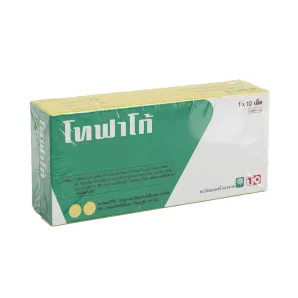
How Does Tofago (Ergotamine) Work?
Tofago is an Ergot-class migraine medication containing Ergotamine Tartrate — a long-established treatment for migraine.
It works by constricting the abnormally dilated blood vessels in the brain, reducing nerve compression and relieving pain.
Advantages of Tofago — Targeted action on migraine pain / long track record of use / affordable price point
Important caution — Must not be overused (no more than twice per week), as frequent use can cause Medication Overuse Headache.
Sumigran vs Tofago — Which Should I Choose?
Both are migraine-specific medications, but they have key differences.
Sumigran (Sumatriptan — Triptan) — Newer, faster-acting, fewer side effects / effectively reduces both pain and associated symptoms (nausea, light/sound sensitivity) / first-line treatment according to international guidelines
Tofago (Ergotamine — Ergot) — Traditional treatment, more affordable / some people respond better to Ergotamine than Triptans / more restrictions and contraindications
Bottom line: Sumigran is the recommended first choice. If Sumigran is ineffective or unsuitable, Tofago is an alternative. Consult a pharmacist for the best recommendation.
How to Take Migraine Medication for Best Results
The most important principle for both medications: take it as early as possible when symptoms begin.
💊 Sumigran (Sumatriptan) — Take one tablet (50-100 mg) as soon as pain starts / if pain improves then returns, a second dose can be taken after at least 2 hours / maximum 200 mg per day
💊 Tofago (Ergotamine) — Take as directed by your pharmacist at the first sign of pain / do not use more than twice per week / do not use on consecutive days
⚡ Critical: The sooner you take it, the better it works. Waiting until pain is severe significantly reduces effectiveness. Always carry your migraine medication with you.
Contraindications and Precautions
🚫 Sumigran (Sumatriptan) contraindications — History of coronary heart disease or stroke / uncontrolled high blood pressure / must not be combined with Ergotamine (not on the same day) / must not be used with MAOI antidepressants
🚫 Tofago (Ergotamine) contraindications — Same cardiovascular contraindications as Sumatriptan + must not be used during pregnancy / must not be overused (risk of Medication Overuse Headache) / must not be combined with Triptans
Sumatriptan side effects — Temporary chest tightness (common but not heart-related) / dizziness, drowsiness / tingling or numbness in extremities
Migraine vs Regular Headache — How to Tell the Difference
Many people aren't sure whether they have migraines or ordinary headaches.
Migraine — Severe, one-sided throbbing pain / lasts 4-72 hours / nausea, vomiting / sensitivity to light, sound, smell / unable to function normally / may have aura before onset
Tension headache — Dull, squeezing pain on both sides / mild to moderate intensity / no nausea, no light sensitivity / can still function / responds well to paracetamol or standard painkillers
If you experience severe one-sided throbbing headaches with nausea and light sensitivity that prevent normal activity, it's very likely migraine. Consult a pharmacist for appropriate treatment.
How to Prevent Migraines and Reduce Attack Frequency
Beyond acute treatment, prevention is equally important.
📝 Keep a trigger diary — Record what you did, ate, how you slept, and what environment you were in before each attack. This helps identify your personal triggers.
😴 Maintain consistent sleep — Go to bed and wake up at the same time every day, including weekends. Avoid excessive catch-up sleep.
🏃 Exercise regularly — Moderate-intensity exercise, 30 minutes, 5 days per week, is shown to reduce migraine frequency.
🧘 Manage stress — Breathing exercises, meditation, and yoga help address the number one trigger.
💧 Stay hydrated — Dehydration is an often-overlooked trigger.
🍽️ Eat regularly — Don't skip meals. Low blood sugar can trigger migraines.
Preventive medication — If you experience more than 4 migraines per month, a doctor may prescribe daily preventive medication (such as Propranolol, Topiramate, or Amitriptyline) to reduce frequency.
⚠️ Disclaimer
The information on this page is for general informational purposes only and is not intended to replace professional medical advice, diagnosis, or treatment from a qualified doctor or pharmacist. If you have any questions about your symptoms or medication, always consult a doctor or pharmacist first.
Frequently Asked Questions
Migraines are caused by abnormal brain chemistry combined with genetic predisposition. There is no permanent cure, but they can be very well managed with acute medication when attacks occur, preventive medication for frequent sufferers, and trigger avoidance. Many people achieve significant improvement.
Paracetamol is a general painkiller that may help with mild migraines but doesn't target the migraine mechanism. Sumatriptan and Ergotamine work directly on the blood vessels and brain chemistry causing the migraine, making them far more effective for moderate-to-severe attacks.
No. Triptans and Ergotamine must never be used on the same day. Both cause blood vessel constriction — combining them risks excessive constriction, which can be dangerous. Wait at least 24 hours between them.
Yes. Using migraine medication (whether Triptans, Ergotamine, or even paracetamol) too frequently can cause Medication Overuse Headache. Don't use acute migraine medication more than 10 days per month. If you need it this often, consult a doctor about preventive treatment.
Women with migraine with aura should not use combined oral contraceptives (oestrogen-containing pills) as this increases stroke risk. A safer alternative is the progestogen-only pill, such as Cerazette. Consult a pharmacist for the best option.
See a doctor if you experience the worst headache of your life (thunderclap headache) / headache with high fever, stiff neck, or confusion / weakness, speech difficulty, or vision changes / migraines becoming progressively more frequent / migraine medication no longer working / symptoms that are different from your usual pattern.
Related Reads

Fast Migraine Relief: 12 At-Home Methods
12 fast migraine relief methods you can do at home.

Best Migraine Medicine: Sumigran vs Tofago
Migraine medication comparison: Sumigran vs Tofago.

Migraine Symptoms: 4 Phases Before, During, After
Migraine has 4 phases: Prodrome, Aura, Headache, Postdrome.

Left-Side Headache: Is It a Migraine?
Left-side headache — likely causes, when it's migraine, and treatment.

Migraine: Complete Guide to Medication and Relief
Migraine: symptoms, causes, medication, and relief — all in one guide.
Become a member of our store to receive news and exclusive discounts.
Recently viewed products