Ever notice how some days you can eat almost anything and feel fine, but other days even a small meal leaves your chest burning? 🤔 This guide breaks down the foods to avoid with acid reflux and what you can eat instead.
Acid reflux isn't only about how much acid your stomach makes. Certain foods relax the muscle at the bottom of the oesophagus, making it easier for acid to flow back up, while other foods push the stomach to produce more acid in the first place.
📊 According to Mayo Clinic, dietary changes can reduce acid reflux symptoms by more than 50% in people with mild cases — so choosing the right foods alone can make a real difference.
This group is the usual “culprit” behind most acid reflux flare-ups — check whether any of these are in your regular diet 👇
Fatty and fried food
Fried chicken, crispy pork, French fries — high-fat food slows digestion, so food sits in the stomach longer and more acid is produced. Fat also relaxes the muscle at the bottom of the oesophagus.
Spicy, heavily seasoned food
Som tam, tom yum, chilli dips — the spiciness irritates the oesophageal lining directly. Someone who already has reflux can end up with a burning chest for the rest of the day after one spicy meal.
Very sour food
Lime, orange, tomato, tomato sauce — their high acidity makes an already-irritated lining worse.
Chocolate and mint
Both relax the muscle at the bottom of the oesophagus, making reflux easier to happen — worth rethinking if you like chocolate after dinner.
Onion and raw garlic
Raw onion is a trigger many people overlook. The NHS notes that onion can clearly bring on heartburn.
Food to avoid
Why
Trigger level
Fried / fatty food
Slow digestion + relaxes sphincter
⚠️⚠️⚠️ High
Very spicy food
Irritates the lining
⚠️⚠️⚠️ High
Chocolate / mint
Relaxes the sphincter
⚠️⚠️ Medium-high
Tomato / orange / lime
High acidity irritates the lining
⚠️⚠️ Medium
Raw onion
Triggers reflux
⚠️⚠️ Medium
Drinks that trigger acid
It's not just food — drinks can be just as big a trigger ☕
Coffee
Coffee relaxes the muscle at the bottom of the oesophagus, and drinking it on an empty stomach makes the burning worse. If you can't give it up, try a cold brew (lower acidity) or drink it after a meal instead.
Fizzy drinks
The carbon dioxide bubbles up the stomach, stretching it and pushing acid back up — this applies to both regular and sugar-free fizzy drinks.
Alcohol
Beer, wine and spirits relax the sphincter muscle and irritate the stomach lining — the more you drink, the worse it gets. The WHO lists alcohol as a major risk factor for digestive disease.
Sour fruit juices
Orange juice, lime juice, passion fruit juice — their high acidity triggers symptoms directly.
Foods that are easy on your stomach
The good news: plenty of foods are easy to eat comfortably — you don't have to give up everything 😊
Rice, bread and grains
Steamed rice, rice porridge, congee, wholewheat bread, oatmeal — these starchy foods digest easily and don't trigger acid. Oatmeal can even help absorb excess stomach acid.
Low-fat protein
Chicken breast, steamed fish, boiled eggs, tofu — choose steaming, boiling or baking over frying to cut the fat that triggers acid.
Boiled or steamed vegetables
Broccoli, carrots, green beans, pumpkin, water spinach — most vegetables are fine; just avoid ones cooked with a lot of oil.
Plain water is best. Ginger tea helps ease nausea and soothes irritation. Soy milk is a good alternative to cow's milk, which can trigger acid in some people.
Fruit: what you can eat and what to avoid
Fruit is a category that confuses a lot of people — some kinds are fine, others cause burning right away.
Fruit you can eat ✅
Fruit to avoid ❌
Banana
Orange
Watermelon
Lime
Ripe papaya
Pineapple
Apple (non-sour)
Passion fruit
Cantaloupe
Unripe mango
Guava
Sour grapes
Simple rule: mildly sweet, non-sour fruit is fine; very sour fruit is best avoided.
Eating habits that keep your stomach calm
Besides “what to eat,” “how you eat” matters just as much.
Eat small meals, more often
Instead of 3 large meals, try splitting them into 4-5 smaller ones. The stomach doesn't have to work as hard, so it produces less acid.
Don't eat late, and don't lie down right after eating
Eat your last meal at least 2-3 hours before bed — lying down while the stomach is still full makes reflux much more likely.
Chew slowly, don't rush
Chewing food thoroughly helps the stomach digest it more easily, which reduces excess acid production.
Don't drink a lot of water during meals
A few sips are fine, but avoid drinking large amounts of water while eating, as it stretches the stomach.
Technique
Why it helps
Easy to do
Eat 4-5 small meals
Less strain on the stomach
Split lunch + a snack
Stop eating 2-3 hrs before bed
No reflux while lying down
Set a cut-off time for your last meal
Chew slowly and thoroughly
Easier digestion, less acid
Put your spoon down between bites
Sip water in moderation
Stomach doesn't bloat during meals
Drink water before/after meals instead
Raise the head of the bed ~6 in.
Gravity keeps acid down
Use a wedge pillow or bed risers
Sample one-day menu
Here's an example of a day's menu that most people with acid reflux can eat comfortably 🍽️
Milk may ease symptoms briefly, but the fat in cow's milk can trigger more acid in the longer run. If you want a drink like it, try soy or almond milk instead.
Coffee triggers acid reflux in most people. If you can't give it up, try a cold brew after a meal and limit yourself to no more than one cup a day.
Som tam is spicy, sour and contains garlic — all of which can trigger acid reflux in different ways. It's best avoided while you have symptoms.
Yes. Oatmeal is high in fibre and helps absorb excess acid in the stomach, making it a great breakfast choice for people with acid reflux.
Yes, especially wholewheat bread — just avoid bread that's high in butter or fat.
It's best to avoid it. Chocolate relaxes the muscle at the bottom of the oesophagus, making reflux easier to happen — especially if eaten after dinner.
It's not recommended. Beer, wine, and spirits relax the sphincter muscle and irritate the stomach lining — the more you drink, the worse it gets. The WHO lists alcohol as a major risk factor for digestive disease.
No — eat your last meal at least 2-3 hours before bed, since lying down while the stomach is still full makes reflux much more likely. Eating small meals more often instead of 3 large ones also helps reduce symptoms.
⚠️ Disclaimer
The information on this page is for general informational purposes only and is not intended to replace professional medical advice, diagnosis, or treatment from a qualified doctor or pharmacist. If you have any questions about your symptoms or medication, always consult a doctor or pharmacist first.



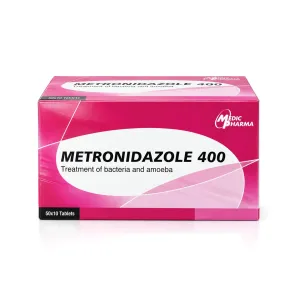 Metronidazole
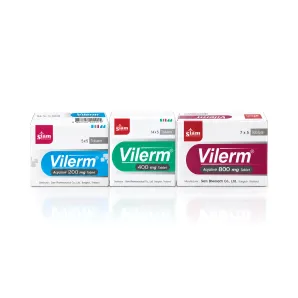 Vilerm
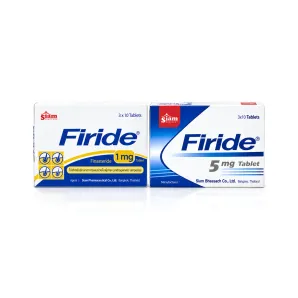 Firide
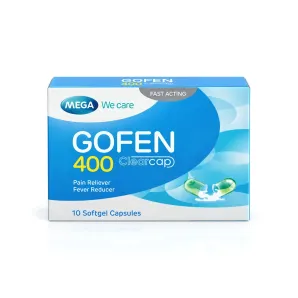 Gofen
 Annylyn
 Sumigran
 Preme
 Tofago
 B-Ciprofloxacin
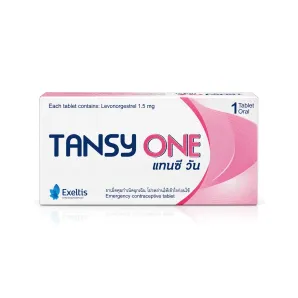 Tansy One
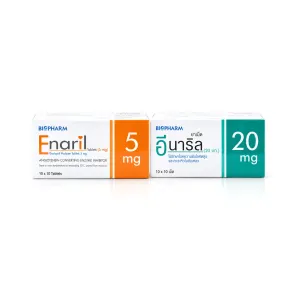 Enaril
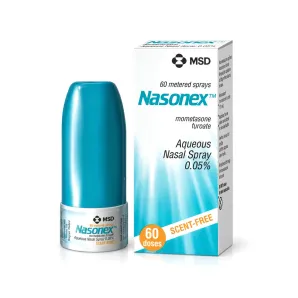 Nasonex