

What is the best medicine for acid reflux?
- Antacids (basic acid-reducing drugs) — neutralize acid immediately, relieve symptoms fast but wear off within 1-2 hours, suited to occasional symptoms
- H2 Blockers — reduce acid production partially, take effect in 30-60 minutes, last 4-12 hours
- PPIs (Proton Pump Inhibitors) — reduce acid the most, take effect in 1-2 hours, last 24 hours, suited to chronic or severe symptoms
- PPIs work best when taken 30 minutes before a meal, while antacids can be taken as soon as symptoms start
- Consult a pharmacist or doctor before using any of these medications continuously

- How Many Types of Acid Reflux Medication Are There?
- Antacids — Acid-Neutralizing Medication
- H2 Blockers — Moderate Acid Reduction
- PPIs — The Most Powerful Acid Reducers
- Comparing the 3 Types of Acid Reflux Medication
- How to Take Acid Reflux Medication for Best Results
- Precautions and Side Effects
- When to See a Doctor
- Frequently Asked Questions
How Many Types of Acid Reflux Medication Are There?
Ever stood in front of a pharmacy shelf full of acid reducers, not sure which is the best medicine for acid reflux? 🤔
Acid reflux medications actually fall into 3 main groups that work in completely different ways — some act fast but wear off quickly, others act slower but control acid for the whole day.
📊 According to Cleveland Clinic, PPIs reduce stomach acid production by as much as 90-95%, while antacids simply neutralize the acid that is already there — a huge difference.
📖 Want the full overview of acid reflux first? Continue reading Acid Reflux: Everything You Need to Know
Antacids — Acid-Neutralizing Medication
How It Works
Antacids are the most basic type of acid reducer. They work by neutralizing acid that is already in the stomach — like using an alkali to cancel out an acid — rather than stopping acid production at the source.
Advantages
- Act very fast, within minutes
- Available over the counter, no prescription needed
- Good for occasional heartburn
Limitations
- Effect lasts only 1-2 hours
- Do not treat the underlying cause, only relieve symptoms
- Taking them too often may cause diarrhea or constipation
Examples of Medications in This Group
Liquid antacids and chewable antacid tablets containing aluminum hydroxide or magnesium hydroxide
H2 Blockers — Moderate Acid Reduction
How It Works
H2 blockers block histamine receptors (H2 receptors) in the stomach lining, making the stomach produce less acid — rather than just neutralizing acid like antacids, they reduce it at the source to some extent.
Advantages
- Take effect in 30-60 minutes
- Effect lasts 4-12 hours
- Good for moderate symptoms or for taking before bed to prevent nighttime acid reflux
Limitations
- Reduce acid less than PPIs
- Long-term use may lead to tolerance, reducing effectiveness
Examples of Medications in This Group
Famotidine (a common brand name in Thailand) is the most widely used medication in this group
💡 Adjusting your diet alongside medication helps a lot. Continue reading Acid Reflux Diet: What to Eat and Avoid
💊 Read more: Gaviscon is an alginate antacid that works differently from ordinary antacids — Gaviscon: Uses, Dosage & Precautions
PPIs — The Most Powerful Acid Reducers
How It Works
PPIs (Proton Pump Inhibitors) shut down the proton pumps in the stomach lining directly — the final step of acid production — so they reduce acid the most of all three groups.
📊 Mayo Clinic notes that PPIs are the medication doctors prescribe most often for acid reflux, because they reduce acid 3-4 times more than H2 blockers 💊
Advantages
- Reduce acid the most (90-95%)
- Effect lasts up to 24 hours
- Good for severe or chronic symptoms
- Help inflamed esophageal lining heal
Limitations
- Slower to take effect, needs 1-2 hours
- Must be taken 30 minutes before a meal for best results
- Should not be used continuously for too long without consulting a doctor
Examples of Medications in This Group
PPIs widely used in Thailand include Omeprazole GPO and Nexium (Esomeprazole), a newer-generation PPI with better absorption.
Comparing the 3 Types of Acid Reflux Medication
| Property | Antacid | H2 Blocker | PPI |
|---|---|---|---|
| Mechanism | Neutralizes acid | Blocks H2 receptor | Shuts down proton pump |
| Onset | A few minutes | 30-60 minutes | 1-2 hours |
| Duration | 1-2 hours | 4-12 hours | ~24 hours |
| Acid reduction | Low (neutralizes only) | Moderate | Highest (90-95%) |
| Best for | Occasional symptoms | Moderate symptoms | Severe/chronic symptoms |
| How to take | After symptoms appear | Before meals/bed | 30 min before meals |
How to Take Acid Reflux Medication for Best Results
Even the best medication will not work fully if taken the wrong way. Check this 👇
PPIs — Take 30 Minutes Before a Meal
This is the golden rule for PPIs. Take them on an empty stomach 30 minutes before a meal, because a PPI needs time to shut down the proton pumps before they become active from eating. Taking it after a meal makes it much less effective.
H2 Blockers — Take Before a Meal or Before Bed
Take 30 minutes before a meal, or before bed — ideal for people who get acid reflux symptoms at night.
Antacids — Take When Symptoms Appear
Take it as soon as you feel heartburn, no need to wait. Avoid taking it together with other medications, as it may interfere with their absorption.
| Medication | When to Take | With Food? | Tips |
|---|---|---|---|
| PPI | Morning, 30 min before a meal | Before meals | Swallow whole, do not chew |
| H2 Blocker | Before a meal or before bed | Before meals | Great for nighttime symptoms |
| Antacid | When symptoms appear | 1 hr after meals | Space at least 2 hrs from other medications |
Precautions and Side Effects
Using PPIs for Too Long
PPIs are safe for short-term use, but continuous use for several months without medical supervision may increase the risk of reduced calcium and magnesium absorption. The FDA advises against using over-the-counter PPIs for more than 14 days in a row, or more than 3 courses per year.
Tolerance to H2 Blockers
Long-term use of H2 blockers may cause the body to adapt so the medication becomes less effective. If it feels like it is no longer helping, consult a pharmacist or doctor.
Taking Antacids Too Often
Taking them too often may cause diarrhea (if they contain magnesium) or constipation (if they contain aluminum), and may interfere with the absorption of other medications.
Acid Reducers and Other Medications
All groups of acid-reducing medication may interact with certain drugs, such as blood thinners and antibiotics. Always tell your pharmacist about every medication you are taking.
| Side Effect | Antacid | H2 Blocker | PPI |
|---|---|---|---|
| Diarrhea/constipation | Common | Rare | Occasional |
| Headache | Very rare | Occasional | Occasional |
| Tolerance | None | Possible with long-term use | None |
| Reduced mineral absorption | Aluminum buildup | Minimal | Possible with long-term use |
| Interferes with other drugs | High | Moderate | Moderate |
When to See a Doctor
Acid-reducing medication helps a lot, but some situations need medical attention 🏥
- No improvement after 2 weeks of taking acid reducers
- Difficulty swallowing, or pain when swallowing
- Unintentional weight loss
- Vomiting blood or black stools
- Needing to take acid reducers almost every day for more than 2 weeks
📖 Which symptoms are warning signs to watch for? Continue reading Acid Reflux Symptoms: How to Tell
Frequently Asked Questions
Yes. Some doctors recommend taking an antacid for immediate relief while waiting for a PPI to take effect, but space them at least 30 minutes apart.
Over-the-counter PPIs should not be used for more than 14 days in a row — see a doctor if you need them longer than that. Antacids are fine for occasional use, but should not be taken every day for a long period.
Some studies have found a link between years of PPI use and a slightly increased risk of fractures, but short- to medium-term use is still considered safe.
Both are PPIs, but Esomeprazole is absorbed better by the body, giving more consistent blood levels. A doctor may choose either one depending on what suits you.
Check whether you are taking it at the right time (PPIs need to be taken 30 minutes before a meal). If you are taking it correctly and still see no improvement after 2 weeks, see a doctor.
The body may adapt to the medication over time, a phenomenon called tolerance, which reduces how much an H2 blocker lowers acid production. If it feels less effective than before, consult a pharmacist or doctor.
Taking them too often may cause diarrhea (if they contain magnesium) or constipation (if they contain aluminum), and may interfere with the absorption of other medications taken alongside them.
Yes. All groups of acid-reducing medication may interact with certain drugs, such as blood thinners and antibiotics. Always tell your pharmacist about every medication you are taking.
⚠️ Disclaimer
The information on this page is for general informational purposes only and is not intended to replace professional medical advice, diagnosis, or treatment from a qualified doctor or pharmacist. If you have any questions about your symptoms or medication, always consult a doctor or pharmacist first.
References
- Proton Pump Inhibitors — NIH (StatPearls)
- Heartburn and acid reflux – Treatment — NHS
- NIDDK (NIH) — GERD: Treatment — NIH
- Proton Pump Inhibitors: What You Need to Know — Cleveland Clinic
- FDA Drug Safety Communication: Possible increased risk of fractures with PPI use — FDA
Related Products
Acid Reflux Treatment
 Metronidazole
Treats bacterial vaginosis & abnormal vaginal discharge
✓ In stock40.00 ฿(฿4/tablet) Vilerm
Oral herpes treatment reduces recurrence
✓ In stockFrom 55.00 ฿(฿11/tablet) Firide
Finasteride for hair growth – quality & value
✓ In stockFrom 345.00 ฿(฿11.50/tablet) Gofen
Gofen for period pain, headache & muscle ache
✓ In stock120.00 ฿(฿12/tablet)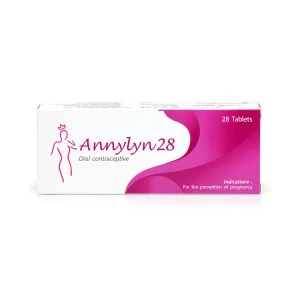 Annylyn
 birth control pill, simple & easy-to-use
✓ In stock118.00 ฿(฿4.21/tablet)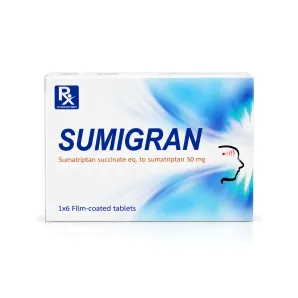 Sumigran
Targeted migraine relief, gentle on stomach
✓ In stock98.00 ฿(฿16.33/tablet)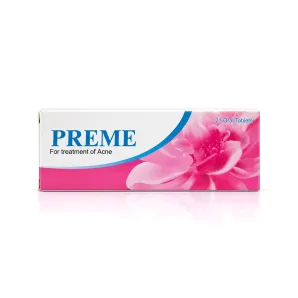 Preme
Gentle formula for skin care & less water retention
✓ In stock105.00 ฿(฿4.11/tablet)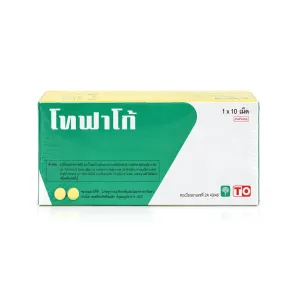 Tofago
Targeted migraine & severe headache relief
✓ In stock40.00 ฿(฿4/tablet)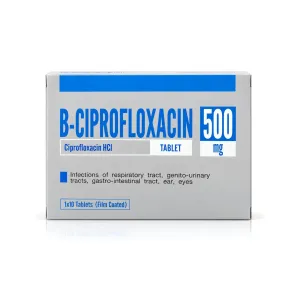 B-Ciprofloxacin
Ciprofloxacin antibiotic, effective for UTI
✓ In stock49.00 ฿(฿4.9/tablet)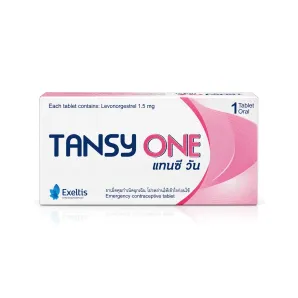 Tansy One
Single-dose emergency contraceptive pill
✓ In stock80.00 ฿(฿80/tablet)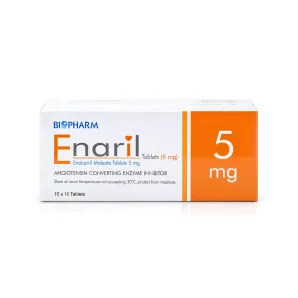 Enaril
ACE inhibitor for blood pressure & heart care
✓ In stockFrom 150.00 ฿(฿1.5/tablet)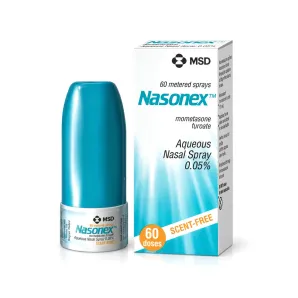 Nasonex
Daily nasal spray for allergy relief without drowsiness
✓ In stockFrom 549.00 ฿
Become a member of our store to receive news and exclusive discounts.