Ever finish a meal and feel a burning sensation in the middle of your chest? Or lie down and feel something rising back up your throat? That's classic acid reflux.
Heartburn — the most prominent symptom: a burning feeling that starts behind the breastbone and rises toward the chest, sometimes reaching the throat. It usually comes on after eating, when bending forward, or when lying down.
Sour burping / a bitter taste in the mouth — refluxed acid carries a sour or bitter taste with it; some people feel as if digestive fluid has come up into the throat.
A tight feeling in the throat, difficulty swallowing — it feels like something is stuck in the throat that swallowing saliva doesn't clear. Doctors call this globus sensation.
Nausea — especially in the morning or after eating; some people feel too nauseated to eat.
Fullness or discomfort behind the breastbone — slow digestion, bloating, and general stomach discomfort.
🔢 Medical data show that heartburn is the most common symptom among people with acid reflux, reported as the main symptom by more than 60% of patients. 🔥
Acid Reflux Symptoms Many People Overlook
This is the interesting part — many people have these symptoms without ever connecting them to acid reflux.
Chronic night-time cough — refluxed acid irritates the voice box and airway, causing a dry cough, especially at night. An ENT visit often finds no other cause.
Hoarseness, frequent sore throat — acid irritates the voice box, changing or roughening the voice, or causing a chronic sore throat with no cold involved. Doctors call this laryngopharyngeal reflux (LPR).
Wheezing like asthma — acid irritates the airway until it narrows, making breathing difficult in a way that resembles asthma. Some people are treated for asthma for a long time without improvement before acid reflux turns out to be the real cause.
Unusually frequent cavities — acid that reaches the mouth wears down tooth enamel, leading to worn teeth, sensitivity, and faster decay. Some dentists notice the acid-erosion pattern before the patient even realises what is happening.
Chest pain — this symptom alarms many people into thinking it's their heart, because the tightness feels very similar. But pain that comes after eating or while lying flat is more often linked to acid reflux.
Table: Typical Symptoms vs. Often-Overlooked Symptoms
Many people confuse acid reflux with gastritis because the symptoms feel similar, but they're actually different conditions.
Acid reflux — the problem sits in the "oesophagus": acid from the stomach flows back up because the valve between the stomach and oesophagus isn't closing properly. The main symptoms are heartburn, sour burping, and a tight throat.
Gastritis — the problem sits in the "stomach" itself: the stomach lining is inflamed or ulcerated. The main symptom is a burning pain behind the breastbone, occurring on an empty stomach or after eating.
Table: Acid Reflux vs Gastritis Compared
Aspect
Acid Reflux (GERD)
Gastritis / Peptic Ulcer
Problem location
Oesophagus
Stomach
Main symptom
Heartburn, sour burping
Burning pain in the upper abdomen
Worst timing
After eating / lying down
Empty stomach / after eating
Main cause
Faulty oesophageal sphincter
H. pylori infection / painkillers / excess acid
Treatment
PPI, H2 blocker, antacid
PPI + antibiotics (if H. pylori present)
⚠️ If you're not sure what's causing it, don't guess — seeing a doctor for a proper diagnosis is always the safest option.
Which Symptoms You Can Manage Yourself
If the symptoms are still mild, self-care may be enough:
Occasional heartburn, not happening every day
Sour burping after a large meal or eating late at night
Mild fullness that resolves on its own within 1-2 hours
Symptoms that improve with lifestyle changes, such as not eating late or cutting back on spicy, fatty food
Basic self-care steps:
Use an antacid to relieve symptoms
Avoid lying down right after eating — wait at least 3 hours
Raise the head of the bed by 6-8 inches
Avoid trigger foods and drinks such as coffee, carbonated drinks, and very spicy food
Occasional heartburn after a large meal is normal. But if it happens more than twice a week, or lasts longer than 2 weeks, it may be acid reflux that needs treatment.
Yes. Refluxed acid irritates the voice box and airway, which can trigger a cough, especially at night. If a cough has been treated for a long time without improving, ask a doctor whether acid reflux could be the cause.
Chest pain from acid reflux usually comes on after eating, eases with an antacid, and doesn't spread to the arm or jaw. If you're not sure, see a doctor right away to be safe.
Yes. Acid that reaches the mouth gradually wears down tooth enamel, leading to worn teeth, sensitivity, and a higher risk of cavities.
Yes, infants and young children can have acid reflux too. Common signs include spitting up milk, crying after feeding, and refusing to feed. If it happens often, take the child to see a paediatrician.
It can be. Doctors call this globus sensation, and it is common in people with acid reflux: refluxed acid irritates the throat, creating a lump-like feeling that swallowing saliva does not clear. It has other causes too, so see a doctor if it lasts more than 2 weeks, food is hard to swallow, or you are losing weight.
Yes. Refluxed acid irritates the airway until it narrows, making breathing difficult in a way that resembles asthma. Some people are treated for asthma for a long time without improvement before acid reflux turns out to be the real cause.
If you need antacids more than twice a week, or symptoms last more than 2 weeks without improving, see a doctor rather than continuing to self-treat.
⚠️ Disclaimer
The information on this page is for general informational purposes only and is not intended to replace professional medical advice, diagnosis, or treatment from a qualified doctor or pharmacist. If you have any questions about your symptoms or medication, always consult a doctor or pharmacist first.



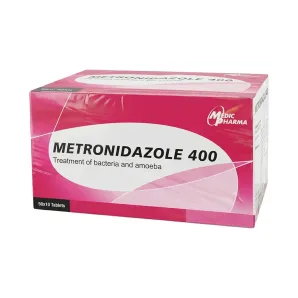 Metronidazole
 Vilerm
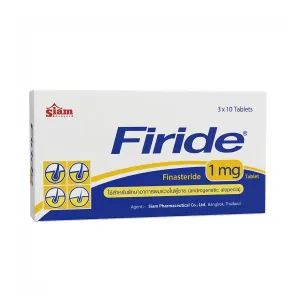 Firide
 Gofen
Gofen Annylyn
 Sumigran
 Preme
Preme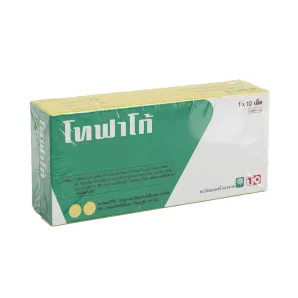 Tofago
 B-Ciprofloxacin
 Tansy One 1 Tablet
 Enaril
 Nasonex Nasal Spray