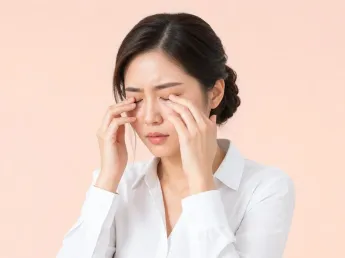
Itchy, watery, red eyes on both sides with sneezing or a runny nose = classic eye allergy — not contagious, unlike infective pink eye
Most important first step: avoid triggers (dust mites, pollen, PM2.5, pet dander) and do not rub your eyes
Antihistamine tablets are an option — StatPearls lists oral antihistamines for allergic conjunctivitis, especially with nasal symptoms, such as Bilastine (Bilaxten) and Levocetirizine (Xyzal) — less sedating than older drugs, though some still feel drowsy
Fast relief: a brief cold compress + artificial tears to flush allergens
Duration depends on the trigger — symptoms may last under an hour, or days, weeks, even months while exposure continues (Cleveland Clinic)
Severe eye pain, blurred vision, light sensitivity → needs urgent care · thick green/yellow discharge or one-sided symptoms → may not be allergy, get it checked · not cleared within 7 days → see a doctor (NHS)
Medically reviewed by
Supatcheree A., Pharmacist | Sources: NHS, MedlinePlus, NCBI, Cleveland Clinic
Eye allergy (allergic conjunctivitis) is inflammation of the conjunctiva caused by an allergic reaction — when the eyes contact an allergen such as dust mites or pollen, the body releases histamine, causing itching, redness, and watery eyes. These eye allergy symptoms are not contagious and are not caused by infection.
Types of eye allergy
Seasonal — flares when pollen or dust levels are high, such as during seasonal changes or high-PM2.5 periods
Perennial — comes and goes all year, usually from indoor triggers like dust mites, pet dander, or mold
Contact-lens related (GPC) — conjunctival irritation from overworn or poorly cleaned lenses
People with allergic rhinitis, dust allergy, or asthma are more prone to eye allergies, and nasal symptoms (sneezing, congestion, clear runny nose) often occur together.
The hallmark symptom is itching — if there is no itch, consider other causes first. Common symptoms:
Intense itching in and around the eyes; rubbing makes it worse
Watery eyes with clear, stringy discharge (not thick pus)
Redness from dilated conjunctival vessels
Puffy eyelids, especially the upper lids after waking
Burning, gritty feeling as if something is in the eye
Usually affects both eyes at once — clearly one-sided symptoms suggest infection or a foreign body instead
Eye allergy vs infective pink eye
The two look similar but are treated very differently. Compare:
Feature
Eye allergy
Infective pink eye
Main symptom
Intense itching, watery eyes
Soreness, grittiness, heavy discharge
Discharge
Clear and watery or stringy
Thick green/yellow, eyelids stuck in the morning
Eyes affected
Usually both eyes
Often starts in one eye then spreads
Contagious
No
Highly contagious
Other symptoms
Sneezing, congestion, clear runny nose
Possible fever, sore throat, swollen lymph nodes
What Causes Eye Allergies?
Eye allergies happen when the eyes contact an allergen and the immune system overreacts. Common triggers in Thailand:
Dust mites — a common indoor trigger; they live in mattresses, pillows, blankets, carpets
Dust and air pollution such as PM2.5 — irritants that can make symptoms worse
Pollen — grass, weeds, trees, by season
Pet dander — cats and dogs, especially in the bedroom
Airborne mold — damp rooms, uncleaned air conditioners
Cigarette smoke, incense, perfume — irritants that worsen symptoms
Contact lenses — overwearing or poor cleaning
Triggers vary by geography and by person (StatPearls). A simple clue: if symptoms flare repeatedly in the same place or at the same time — such as on waking (dust mites in bedding) or on dusty days — that points to your real trigger.
Can Antihistamine Tablets Help? Which to Choose
Yes, they are an option. Oral antihistamines block histamine, the driver of eye itching and watering, and StatPearls lists them among treatments for allergic conjunctivitis. They are especially useful when nasal allergy symptoms occur together (sneezing, congestion, runny nose), since one tablet controls both eyes and nose.
How to choose a non-drowsy antihistamine
Choose a second-generation (or newer) antihistamine — these cross into the brain far less, so they are much less sedating than first-generation drugs, but some people still feel drowsy. MedlinePlus advises not driving or operating machinery until you know how the medicine affects you. Unlike older first-generation antihistamines (such as chlorpheniramine, the yellow tablet), which are clearly sedating and unsuitable for work or driving. Compare the popular options:
Doses and timing vary by formulation, age, and kidney function — always read the product label and consult a pharmacist or doctor before use, especially if pregnant, breastfeeding, for children, or with chronic conditions. These medicines can still cause drowsiness in some people, so do not drive or operate machinery until you know how they affect you.
Beyond oral antihistamines, targeted options work directly on the eyes:
Artificial tears
The safest helper — they flush allergens off the eye surface, add moisture, and reduce irritation. Use as often as needed; preservative-free versions are better for frequent use.
Antihistamine eye drops
Pharmacists often recommend drops combining an antihistamine with a mast cell stabilizer, such as olopatadine or ketotifen — Cleveland Clinic notes allergy eye drops start working after about an hour; they suit people whose symptoms are mainly ocular.
Steroid eye drops
Reserved for severe cases and only under an ophthalmologist's care — unsupervised use risks raised eye pressure, glaucoma, and cataracts.
Immunotherapy
For severe recurrent cases, an allergist may consider allergen immunotherapy to reduce the immune response long-term.
How Long Does Eye Allergy Last?
Short answer: it depends on whether you can avoid the trigger.
Cleveland Clinic notes the duration varies widely — symptoms may last under an hour, or days, weeks, even months, depending on continued allergen exposure
Away from the trigger — symptoms usually ease steadily once nothing is re-triggering them
Still exposed to the trigger (dust mites in bedding, a cat in the bedroom, PM2.5) — symptoms wax and wane and return after stopping medication
Seasonal type — symptoms tend to persist through that season and settle once the allergen is gone
⚠️ NHS advises seeing a doctor if symptoms have not cleared up within 7 days or are worsening — to rule out infection, chronic dry eye, other forms of conjunctivitis, or complications. Do not wait the full two weeks.
Self-Care and Prevention
Immediate relief
Never rub your eyes — rubbing releases more histamine, making itching and swelling worse
Cold compress — NHS suggests holding a clean cold flannel over the eyes for a few minutes to ease itch and puffiness
Rinse with artificial tears to wash allergens off the eye
Pause contact lenses until symptoms fully resolve
Break the trigger cycle
Wash pillowcases and bed sheets regularly to cut the dust and triggers resting against your face for hours each night
On high-PM2.5 days, keep windows closed and run a HEPA air purifier
Wear sunglasses or wind-blocking glasses outdoors to shield eyes from dust and pollen
Shower and wash hair after coming home during flare-prone periods — pollen and dust cling to hair and clothes
Keep pets out of the bedroom if dander allergy is suspected
Clean air-conditioner filters regularly to reduce mold and dust buildup
When to See a Doctor
Most eye allergies can be self-managed, but these signs must not wait — see an ophthalmologist immediately:
❗ Significant eye pain, not just itching or irritation
❗ Blurred or changed vision, flashes, or floaters
❗ Severe light sensitivity — unable to keep eyes open in light
❗ Pain and marked redness while wearing contact lenses — risk of corneal ulcer
❗ Young children with very swollen red eyelids plus fever — periorbital infection must be ruled out
If 1 or more apply → see an ophthalmologist or ER. Do not self-treat with steroid eye drops.
Not urgent, but still worth a routine doctor visit
These are common conjunctivitis findings and not a reason for the ER, but do get them assessed by a doctor or pharmacist because they suggest it may not be allergy: thick green or yellow discharge sticking the lids on waking (suspect bacterial infection) and clearly one-sided symptoms (allergy usually affects both eyes).
NHS advises seeing a doctor if symptoms have not cleared up within 7 days — regardless of whether you have used medication or managed to avoid triggers. This is a routine GP appointment, not an ER visit, to confirm it is allergy and not another cause.
Frequently Asked Questions
Yes, if you get away from the trigger — once allergen exposure stops symptoms usually ease, but the timeline varies widely (Cleveland Clinic notes it can be under an hour, or days, weeks, even months). With ongoing exposure (dust mites, dust, pets) symptoms keep returning. Antihistamines and cold compresses speed relief in the meantime.
Mostly no — it is allergic inflammation, not infection, and does not damage vision. However, hard frequent rubbing can scratch the cornea, and severe forms (like VKC in children) or unsupervised steroid drop use can harm the eyes long-term — see an ophthalmologist for severe symptoms.
Possible but uncommon — airborne allergens usually reach both eyes. Clearly one-sided symptoms suggest another cause first: early infective pink eye, a foreign body, or a blocked tear duct — have a doctor or pharmacist assess it.
Key distinctions: allergy is itch-dominant with clear watery discharge, affects both eyes, is not contagious, and often comes with sneezing/congestion. Infective pink eye is soreness-dominant with thick green/yellow discharge that sticks eyelids shut in the morning, often starts one-sided then spreads, and is highly contagious.
Do not wear them until your eyes are better — NHS states plainly that contact lenses should not be worn until the eyes have recovered, because lenses collect allergens, worsen irritation, slow recovery, and can mask developing corneal complications. Wear glasses meanwhile and resume lenses only once your eyes are better or an eye specialist clears you. If you do wear them and get pain or marked redness, remove them at once and see a doctor.
Start with non-drug measures: cold compress, artificial tears, teaching them not to rub, and controlling dust mites in the bedroom. Paediatric formulations of oral antihistamines exist, but the drug, dose, and minimum age differ by formulation — always let a pharmacist or paediatrician choose and dose it, never scale down an adult dose yourself. Young children with marked swelling, redness, or fever need a doctor.
Modern, less-sedating antihistamines include Bilastine (Bilaxten), Levocetirizine (Xyzal), Loratadine, and Fexofenadine — unlike older chlorpheniramine, which is clearly sedating. However these newer drugs can still make some people drowsy: MedlinePlus states levocetirizine may cause drowsiness and that you should not drive or operate machinery until you know how it affects you. If you drive or operate machinery, try a first dose on a day you do not need to, and ask a pharmacist before choosing. See Bilaxten and Xyzal.
Order at Intimo Life — authentic products only, dispatched within 24 hrs, discreet packaging, and pharmacist advice available before ordering to match the right medicine to your symptoms and health conditions.
⚠️ Disclaimer
The information on this page is for general informational purposes only and is not intended to replace professional medical advice, diagnosis, or treatment from a qualified doctor or pharmacist. If you have any questions about your symptoms or medication, always consult a doctor or pharmacist first.


 Metronidazole
 Vilerm
 Firide
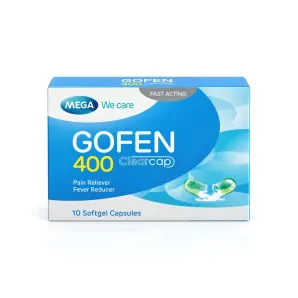 Gofen
Gofen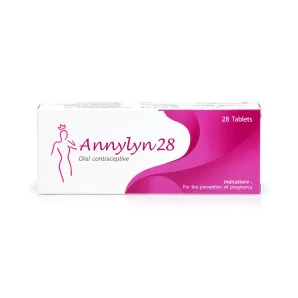 Annylyn
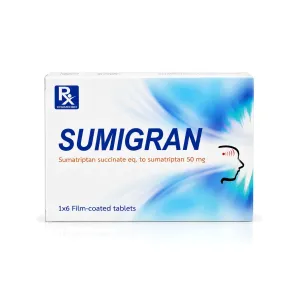 Sumigran
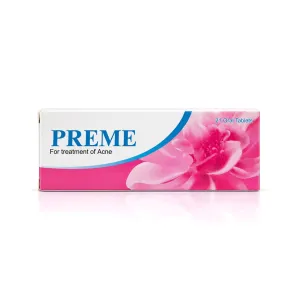 Preme
Preme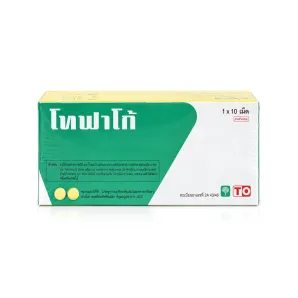 Tofago
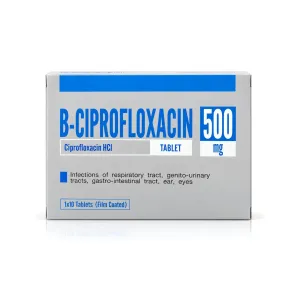 B-Ciprofloxacin
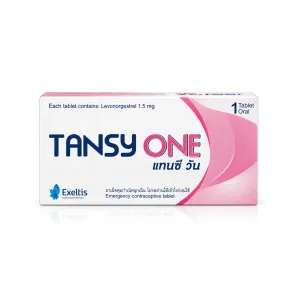 Tansy One
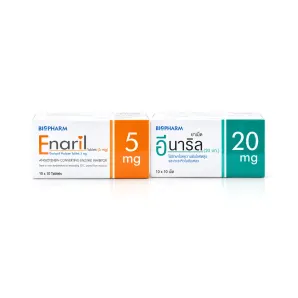 Enaril
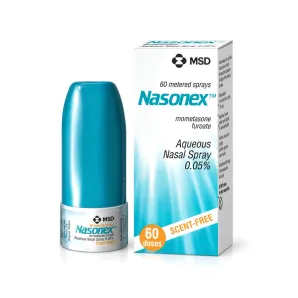 Nasonex