Adenoviral (most common) — usually self-resolves over about 2-3 weeks (StatPearls); no specific antiviral, supportive care (but herpes simplex/zoster eye infection needs antivirals and an ophthalmologist)
Bacterial — usually self-limiting over about 7-10 days; antibiotics can shorten it
Allergic — usually improves with trigger avoidance + topical therapy (antihistamine eye drops), adding oral antihistamines for more severe symptoms
Conjunctivitis = inflammation of the clear membrane covering the white of the eye; 4 main types, each treated differently
Severe pain, blurred vision, or light sensitivity → see a doctor promptly · if milder but not cleared up within 7 days (NHS), also see a doctor
Medically reviewed by
Supatcheree A., Pharmacist | Sources: NHS, MedlinePlus, NCBI
Conjunctivitis is inflammation of the conjunctiva — the thin clear membrane covering the white of the eye and inner eyelids. When inflamed, its tiny vessels dilate, making the eye look red with discharge and irritation. In Thai it is loosely called "ta daeng" (red eye), but medically conjunctivitis spans several types whose causes and treatments differ greatly — infection, allergy, and irritation.
The good news: most cases do not permanently affect vision and resolve on their own. Knowing the type helps you pick the right medicine, recover faster, and avoid spreading it.
Types of Conjunctivitis
There are 4 main types by cause:
Type
Cause
Key clue
Main treatment
Viral
Adenovirus and cold viruses
Clear discharge, watering, gritty, contagious
Self-resolves + artificial tears, compress
Bacterial
Bacterial infection
Thick green / yellow discharge, lids stuck on waking
Lids stuck together on waking from dried discharge (usually bacterial)
Symptoms that are not simple conjunctivitis: severe pain, blurred vision, marked light sensitivity, or halos around lights — suspect conditions needing urgent care such as acute glaucoma, keratitis, or uveitis.
How Long Conjunctivitis Lasts
Viral — usually self-resolves over about 2-3 weeks (StatPearls) (severe adenovirus can take longer). Symptoms usually peak around days 3-5, then ease
Bacterial — usually self-limiting over about 7-10 days; antibiotics can shorten it (not a guaranteed 2-5 day cure)
Allergic — usually improves once away from triggers and on treatment, though severe types (VKC/AKC) can last weeks, and it recurs with re-exposure
Everyday irritants (smoke, dust, chlorine) — usually settle after rinsing and removing the irritant · ⚠️ A strong chemical in the eye (e.g. bleach or oven cleaner) is an emergency — rinse the eye with clean water for at least 20 minutes (NHS first-aid guidance), then get to an emergency department immediately (call 1669 for an ambulance in Thailand), continuing to rinse on the way and taking the chemical's container if you can. Do not wait and watch.
⚠️ All types: NHS advises seeing a doctor if symptoms have not cleared up within 7 days, they worsen, or it keeps recurring — and sooner if there are warning signs (severe pain, blurred vision).
Which Medicines to Use
Key principle: match the medicine to the type, not the redness
Adenoviral — no specific antiviral
Supportive care: artificial tears for comfort, cold compresses, gentle discharge cleaning — antibiotics do not help viral cases and should not be overused. ⚠️ If herpes simplex (HSV) or zoster eye infection is suspected — blisters around the eye, marked pain, blurred vision, or one-sided redness with a rash — it needs specific antiviral treatment and an urgent ophthalmologist.
Bacterial — antibiotic drops/ointment
A pharmacist or doctor selects the right agent; use it as directed; it can shorten the illness.
Allergic — start with avoidance and topical therapy
StatPearls describes a stepwise approach: (1) avoid the allergen + artificial tears/cold compress → (2) antihistamine / mast-cell-stabilizer eye drops (e.g., olopatadine, ketotifen) as the mainstay when symptoms are mainly ocular → (3) oral antihistamines added for more severe or nasal-accompanied cases (as advised by a pharmacist) — always consult a pharmacist first.
All types — one shared rule
Never self-prescribe steroid eye drops — the wrong use can worsen infection, and prolonged use risks glaucoma/cataracts. Ophthalmologist supervision only.
Self-Care for Faster Recovery
Clean discharge properly — clean cotton with cooled boiled water, wipe inner to outer corner, one pad per wipe
Compress — cold for allergic/viral types to ease swelling · warm when discharge is thick to loosen it
Artificial tears as often as needed to flush germs/allergens
Wash hands often and don't rub — prevents spread and protects the other eye
Pause contact lenses until fully healed; replace lenses/case afterwards
Skip eye makeup and discard products used during infection
Separate towels and pillowcases, washing them frequently while ill
Is It Dangerous? When to See a Doctor
Most conjunctivitis is not dangerous and does not permanently affect vision, but see a doctor immediately with any of these:
❗ Severe eye pain or deep aching in the eyeball
❗ Blurred vision that doesn't clear with blinking
❗ Marked light sensitivity — unable to keep eyes open in light
❗ Any newborn with discharge/red eyes — always needs a doctor; risk of serious infection
❗ Contact-lens wearers with a red eye — urgent regardless of pain (NHS); remove lenses and get same-day assessment, corneal ulcer risk
❗ Very swollen, hot, red lids + fever — suspect orbital cellulitis
Not an emergency, but see a doctor: if symptoms have not cleared up within 7 days or it recurs unusually often, book an appointment (NHS).
Frequently Asked Questions
Viral cases usually self-resolve over about 2-3 weeks, and everyday irritant cases (smoke, dust) clear once the trigger is gone (but a chemical splash is an emergency needing immediate rinsing and A&E/ER). Some bacterial cases resolve untreated, but antibiotics can speed healing. Allergic cases keep recurring until triggers are controlled — meanwhile artificial tears + compresses keep eyes comfortable.
Mostly no — it doesn't permanently damage vision. Exceptions to take seriously: newborn infections, corneal ulcers in contact-lens wearers, and unsupervised steroid drop use. Severe pain, blurred vision, or marked light sensitivity may signal something other than simple conjunctivitis — see a doctor immediately.
Infective types (viral/bacterial) are highly contagious via hands and shared items — wash hands often, separate towels, never share drop bottles. Allergic and irritant types are not contagious. Full prevention guide: Pink Eye: Causes, Contagion & Recovery Time
Same principles as adults: wipe discharge with cotton and cooled boiled water, teach no rubbing, frequent handwashing, and follow the school's policy — NHS says children need not stay off school unless they feel very unwell. Newborns with discharge or red eyes must see a doctor immediately, always — and consult a pharmacist or pediatrician before giving young children any medicine.
Start with trigger avoidance + artificial tears/cold compress, then antihistamine eye drops (olopatadine, ketotifen) as the mainstay when symptoms are mainly ocular; add an oral antihistamine (ask a pharmacist which suits you) for more severe or nasal-accompanied cases, and control dust mites/triggers at the source. Full guide: Eye Allergy: Symptoms, Treatment & Medicine
Not until fully healed — lenses trap germs and allergens against the eye, slowing recovery and risking corneal ulcers. After recovery, start a fresh pair and a new case (the old ones may be contaminated). A red eye while wearing lenses is always urgent — remove them and get prompt review from a doctor or optician; do not wait for pain, as it risks a corneal infection.
One of the best type clues: clear and watery = usually viral or allergic · stringy, mucoid = usually allergic · thick green or yellow sticking the lids = a clue to bacterial infection (not a firm diagnosis — causes overlap). Bacterial cases are often self-limiting; antibiotics are used when a pharmacist/doctor judges them appropriate. Thick discharge with eye pain, contact-lens use, or blurred vision deserves prompt assessment.
Order at Intimo Life — authentic products, dispatched within 24 hrs, discreet packaging, with pharmacist advice available before ordering to help match the right medicine to your symptoms and health profile (if it is unclear which type you have, see a doctor for assessment).
⚠️ Disclaimer
The information on this page is for general informational purposes only and is not intended to replace professional medical advice, diagnosis, or treatment from a qualified doctor or pharmacist. If you have any questions about your symptoms or medication, always consult a doctor or pharmacist first.



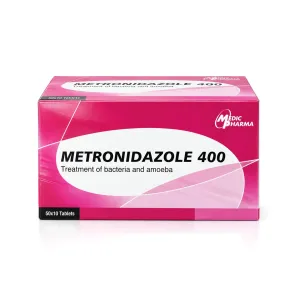 Metronidazole
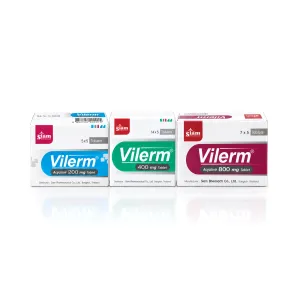 Vilerm
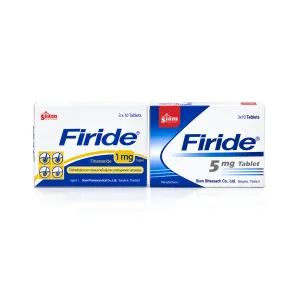 Firide
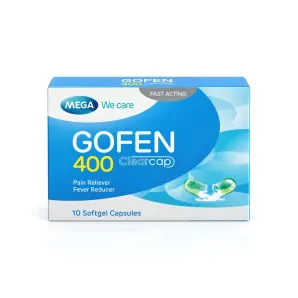 Gofen
Gofen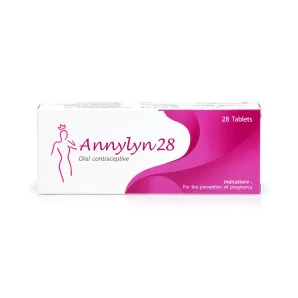 Annylyn
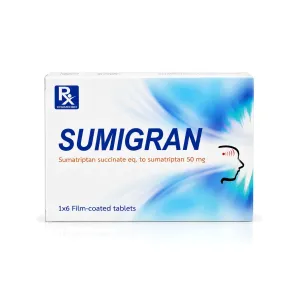 Sumigran
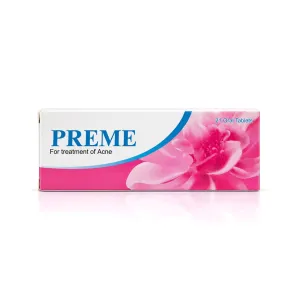 Preme
Preme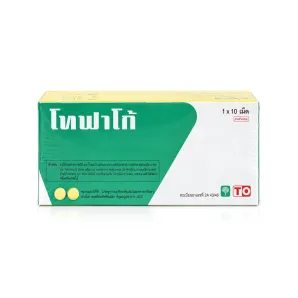 Tofago
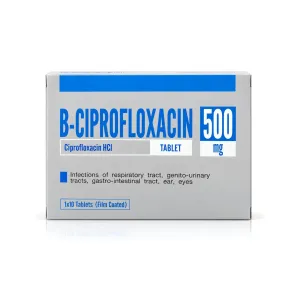 B-Ciprofloxacin
 Tansy One
 Enaril
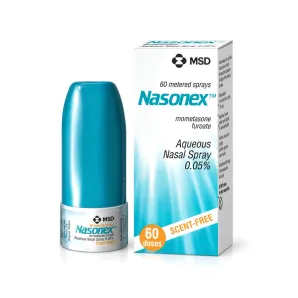 Nasonex