Many people ask about Gaviscon uses before taking it. Gaviscon is a medicine that relieves acid reflux and acid indigestion. Unlike regular antacids, it not only neutralises acid but also forms a "gel raft" that floats on the stomach contents, physically blocking acid from refluxing into the oesophagus.
Active ingredients
Sodium Alginate — a seaweed extract that forms the gel raft
Calcium Carbonate — neutralises stomach acid
Sodium Bicarbonate — assists neutralisation and creates gas bubbles that keep the raft afloat
The formula best known in Thailand is Gaviscon Dual Action oral suspension, combining both mechanisms in one bottle.
How the Alginate "Raft" Differs From Regular Antacids
Regular antacids do one thing: neutralise acid. Gaviscon adds a second mechanism — when alginate meets stomach acid it gels, and gas bubbles from sodium bicarbonate float the gel up into a "raft" that seals the junction between stomach and oesophagus.
The result
Acid and food are physically blocked from refluxing — addressing the root of heartburn
Acts locally and mechanically, not absorbed into the bloodstream
Meta-analysis evidence confirms alginate-based therapy relieves reflux symptoms better than placebo and plain antacids
Heartburn after meals, especially heavy, fatty or fried food
Acid regurgitation — a sour or bitter taste rising into the throat
Epigastric fullness and acid indigestion
Night-time reflux — the raft holds acid down while you lie back
What Gaviscon is not: it does not heal stomach ulcers, does not eradicate H. pylori, and does not suppress acid production like PPIs — it is symptomatic relief, best for occasional episodes.
Several Gaviscon formulas are sold in Thailand. Identify them by the formula name on the label, not the bottle colour:
Formula
Key feature
Best for
Forms
Gaviscon Original
Alginate + basic antacid
Mild, occasional symptoms
Liquid / sachet / tablet
Gaviscon Dual Action
Extra antacid — tackles both acid and reflux
Heartburn + indigestion
150 ml liquid / sachet / chewable
Gaviscon Advance
Higher-strength alginate
Prominent, frequent reflux
Liquid / sachet
As for the "colours" people often ask about (pink, mint, blue) — these reflect regional label design and flavour. Always go by the formula name on the label.
How to Take Gaviscon Correctly
Standard adult regimen: after each meal and at bedtime (up to 4 times daily)
Liquid (bottle): 10–20 ml per dose; shake before use
Sachet: 1–2 sachets per dose; knead before opening, take directly without water
Chewable tablets: chew thoroughly before swallowing — never swallow whole
Why "after meals": the alginate raft needs food and acid in the stomach to form and float on. On an empty stomach the medicine empties quickly and works for a shorter time.
It starts working within minutes — the raft forms on contact with acid, with no absorption delay — and typically controls symptoms for about 4 hours, covering the post-meal window when reflux peaks.
For perspective: plain antacids act fast but wear off sooner, while acid-suppressing drugs (PPI/H2) act slower but control acid all day — each suits a different situation.
Contraindications and Who Should Be Careful
Allergy to any ingredient — stop immediately if rash, swelling or breathing difficulty occurs
People on sodium restriction — kidney disease, heart disease, hypertension — Gaviscon contains sodium; consult a doctor or pharmacist first
High blood calcium or history of kidney stones — the formula contains calcium carbonate
Children under 12 — only on a doctor's or pharmacist's advice
Pregnant and breastfeeding women — generally usable since it is not absorbed into the bloodstream, but always consult a doctor before starting
Possible Side Effects
Because Gaviscon acts locally, side effects are uncommon — you may occasionally get bloating, belching, mild nausea or constipation, which usually resolve after stopping.
Stop and see a doctor if: hives, facial or mouth swelling, breathing difficulty (allergic reaction) — or if symptoms do not improve within 7 days / you need it continuously for more than 2 weeks.
Gaviscon vs Other Antacids
A top question: how does Gaviscon differ from other antacid and stomach-coating medicines? In short:
Plain antacids / effervescent salts — neutralise acid only; best for bloating and indigestion
Gaviscon — neutralises acid + raft barrier against reflux; best for heartburn and regurgitation
PPI / H2 blockers — reduce acid production; for chronic symptoms, use under medical guidance
After every meal and at bedtime — the alginate raft needs food and acid in the stomach to form and float. Details: When to Take Gaviscon
It relieves acid symptoms like burning and fullness, but it is not an ulcer treatment and does not eradicate H. pylori — chronic stomach symptoms need a doctor.
Occasional use is fine, but if you need it continuously for over 2 weeks or symptoms keep returning, see a doctor to find the cause.
Generally yes — it acts locally without entering the bloodstream and is widely used in pregnancy — but always consult your doctor before starting.
Regular antacids only neutralise acid; Gaviscon adds a gel raft that blocks reflux — full comparison: Gaviscon vs ENO vs Antacil
It starts working within minutes — the raft forms on contact with acid — and controls symptoms for about 4 hours.
Leave about a 2-hour gap from other medicines, as it can interfere with absorption — especially certain antibiotics, iron and thyroid medication. Ask a pharmacist if you take regular medicines.
Dual Action adds stronger antacids, tackling both acid and reflux in one bottle — for heartburn plus indigestion. See Gaviscon Dual Action 150 ml
⚠️ Disclaimer
The information on this page is for general informational purposes only and is not intended to replace professional medical advice, diagnosis, or treatment from a qualified doctor or pharmacist. If you have any questions about your symptoms or medication, always consult a doctor or pharmacist first.



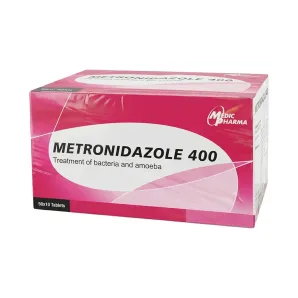 Metronidazole
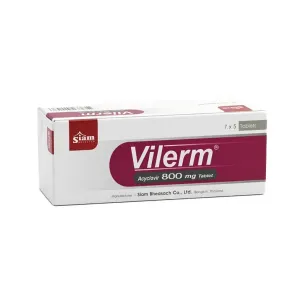 Vilerm
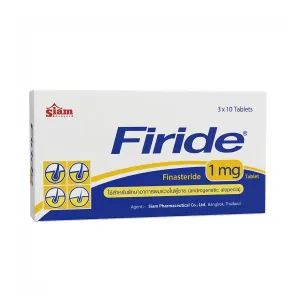 Firide
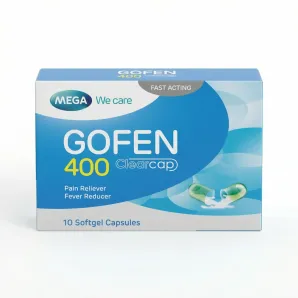 Gofen
Gofen Annylyn
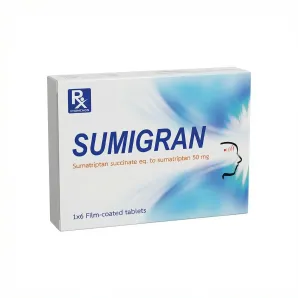 Sumigran
 Preme
Preme Tofago
 B-Ciprofloxacin
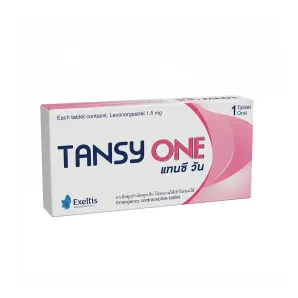 Tansy One 1 Tablet
 Enaril
 Nasonex Nasal Spray