Common causes in order: eye allergy · dry eye · blepharitis · contact lenses · infection · dust and smoke irritation
Intense itch + watering + sneezing or congestion = the clearest allergy clue
Where it itches points to the cause — inner corner, lid margin, or whole eye each suggest different culprits
Fixes in order of impact: stop rubbing → cold compress → artificial tears → antihistamine eye drops, adding an oral antihistamine for more severe symptoms (less-sedating examples: Bilastine/Bilaxten, Levocetirizine/Xyzal — some people still feel drowsy)
Itch with pain, blurred vision, or marked swelling → see a doctor
Medically reviewed by
Supatcheree A., Pharmacist | Sources: NHS, MedlinePlus, NCBI
Many people wonder what itchy eyes causes are — the answer is often histamine (such as allergy) or surface irritation. Common causes include:
Eye allergy — a common cause; dust mites, pollen, PM2.5, pet dander; often intense itch in both eyes
Dry eye — long screen time, air-conditioned rooms, aging; dryness turns into gritty itch and burning
Blepharitis — inflamed lid margins from blocked oil glands or bacteria; itchy lid edges with flakes at the lash base
Contact lenses — overwearing, dirty lenses, or solution allergy
Infection — early conjunctivitis may itch first, then produce heavy discharge
Dust, smoke, chemicals — temporary irritation that clears once away from the trigger
Itch Location — What It Tells You
Where the itch sits is a clue toward the cause (not a firm diagnosis) — if you are unsure, it is one-sided, or it does not improve, have a doctor assess it:
Itch location
Common causes
First-line care
Inner corner
Allergy (allergens pool at the corner) or tear-duct irritation
Cold compress, artificial tears, antihistamine
Lid margin / lash base
Blepharitis, blocked oil glands, or Demodex mites
Warm compress + daily lid-edge cleaning
Whole eye, both sides
Eye allergy or dry eye
Avoid triggers, artificial tears, antihistamine
One eye only
Foreign body, early infection, or a forming stye
Watch 1-2 days; pain/swelling → see a doctor
Signs Your Itch Is Allergy
Clues pointing to eye allergy as your cause:
Itch so intense you constantly want to rub — allergy itches distinctly harder than other causes
Affects both eyes at once
Comes with sneezing, congestion, clear runny nose
Watery eyes, clear discharge, puffy lids
Flares repeatedly in the same place or time — on waking, dusty days, or near pets
If several match, read our full guide with the antihistamine comparison table.
1. Stop rubbing, completely — rubbing releases more histamine, worsening the itch and risking corneal scratches
2. Cold compress — a clean cool damp cloth for 10-15 minutes is the fastest drug-free relief
3. Artificial tears — flush allergens and dust off the eye and add moisture; helps both allergy and dry eye
4. Antihistamine eye drops (olopatadine, ketotifen) — the mainstay for allergy itch that is mainly ocular
5. Oral antihistamine tablet — added for more severe or nasal-accompanied symptoms (less-sedating examples: Bilaxten (Bilastine) or Xyzal (Levocetirizine)) — can still cause drowsiness in some people, so do not drive or use machinery until you know its effect; consult a pharmacist first
6. Lid-edge cleaning — for blepharitis itch: warm compress then wipe lid margins daily with diluted baby shampoo or lid wipes
7. Fix the source — hot-wash pillowcases, run an air purifier, pause contact lenses, rest eyes from screens every 20 minutes
Why Eyes Itch at Night or on Waking
Itch at bedtime/night — the big clue is dust mites in your mattress, pillow, and blanket, held close to your face for hours; tear production also drops at night, so eyes dry out and itch more easily
Itch on waking — overnight dust-mite exposure, or blepharitis where oily crusts build during sleep; check for flakes at the lash base in the morning
Breaking the cycle: hot-wash pillowcases and sheets weekly, use mite-proof covers, keep pets off the bed, run a bedroom air purifier, and clean lid edges before bed if blepharitis is present
When Itchy Eyes Need a Doctor
❗ Itch with eye pain or blurred vision
❗ Marked lid swelling and redness, or difficulty opening the eye
❗ Thick green or yellow discharge — suspect bacterial infection
❗ Persistent one-sided itch with a lid bump (stye)
❗ Contact-lens itch with pain or marked redness
❗ Chronic itch beyond 2 weeks despite self-care and medication
❗ A young child rubbing their eyes unusually often with redness/swelling
These may signal more than simple allergy or irritation — an ophthalmologist can find the real cause.
Frequently Asked Questions
Fastest drug-free relief: a 10-15 minute cold compress + artificial tears to flush the trigger out, and absolutely no rubbing. For allergy itch, antihistamine eye drops and tablets help (newer ones are less sedating than older drugs, but some people still feel drowsy) — ask a pharmacist which suits you.
Do not self-apply regular anti-itch creams or steroid creams around the eyes — eyelid skin is extremely thin and product can enter the eye. Safer options: cold compresses, dedicated eyelid-cleansing products (for blepharitis), and treating the cause with oral antihistamines. Any cream near the eye should be chosen by a doctor or pharmacist only.
Recurring chronic itch usually comes from perennial eye allergy (household dust mites, pets), chronic dry eye from screens/air-conditioning, or blepharitis. Track where and when it itches, fix the source, and see an ophthalmologist if it persists beyond 2 weeks despite that.
Allergy usually itches both eyes — one-sided itch suggests a local cause: a foreign body, a forming stye, early infection, or an ingrown lash. Watch for 1-2 days; pain, swelling, a lid bump, or thick discharge means see a doctor.
Inner-corner itch is common in people with eye allergy and may relate to tear-duct irritation — it is a clue, not a firm diagnosis. Care: cold compress, artificial tears to flush, and an antihistamine when other allergy symptoms co-occur.
More than you'd think — besides worsening the itch (more histamine release), hard repeated rubbing risks corneal scratches, introduces germs, and long-term is linked to keratoconus (corneal warping), especially in habitual hard rubbers. Reach for a cold compress instead every time you feel the urge.
Popular less-sedating picks: Bilaxten (Bilastine) and Xyzal (Levocetirizine) ease eye itch, watering, and accompanying nasal symptoms — some people still feel drowsy, so avoid driving until you know the effect. For mainly ocular symptoms, antihistamine eye drops are a first-line option. See the detailed comparison in our eye allergy guide, or order at Intimo Life — authentic, fast dispatch, pharmacist advice before ordering.
Start drug-free: cold compresses, teach no rubbing, trim nails short, and control bedroom dust mites. If allergy is suspected (both eyes + sneezing/congestion), some antihistamines have pediatric doses, but always consult a pharmacist or pediatrician first — children with redness, swelling, or thick discharge should see a doctor.
⚠️ Disclaimer
The information on this page is for general informational purposes only and is not intended to replace professional medical advice, diagnosis, or treatment from a qualified doctor or pharmacist. If you have any questions about your symptoms or medication, always consult a doctor or pharmacist first.



 Metronidazole
 Vilerm
 Firide
 Gofen
Gofen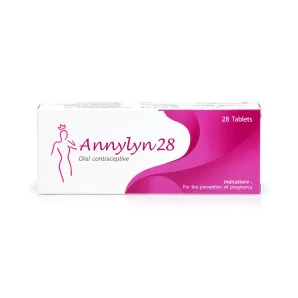 Annylyn
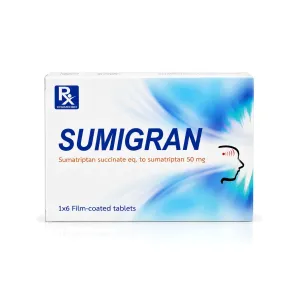 Sumigran
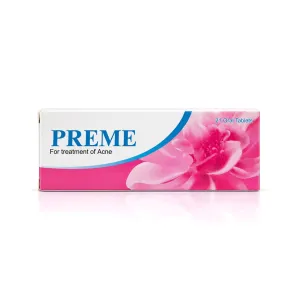 Preme
Preme Tofago
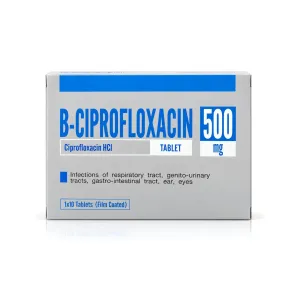 B-Ciprofloxacin
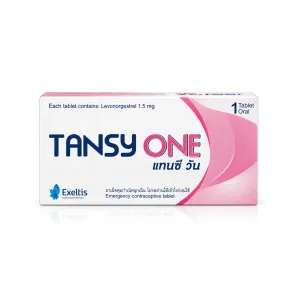 Tansy One
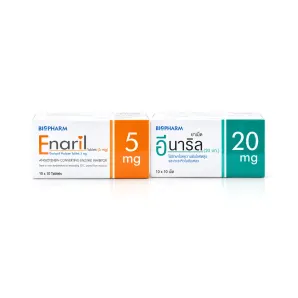 Enaril
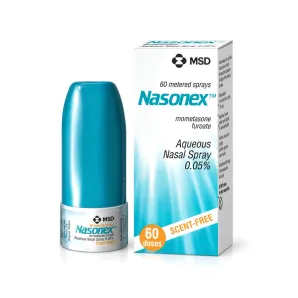 Nasonex