Canker sores are shallow ulcers inside the mouth from immune response + genetics + triggers (stress, B12/folate deficiency, trauma) — not caused by "internal body heat"
Not contagious (unlike cold sores from HSV-1)
Small ulcers heal in 7-14 days; large ones may take 2-6 weeks
What Is a Canker Sore — and How Is It Different from a Cold Sore?
Before starting canker sore treatment, it helps to understand the condition: a canker sore (aphthous ulcer) is a shallow oval white-yellow ulcer with a red border that forms inside the mouth — on the inner cheek, under the tongue, lip, or gums. It is not contagious.
Common misconception: The Thai name "ron nai" comes from a traditional belief that ulcers are caused by "internal body heat." Modern research shows they result from an abnormal immune response combined with triggers like stress, nutritional deficiency, and minor trauma — not heat.
Aspect
Canker Sore
Cold Sore
Cause
Immune response + triggers
HSV-1 virus
Location
Inside mouth lining
Outer lip
Appearance
Shallow white ulcer with red rim
Fluid-filled blister
Contagious
No
Yes (saliva/kissing)
Treatment
Heals on its own
Antiviral (Acyclovir)
What Causes Canker Sores — 6 Triggers
Canker sores result from multiple triggers in people with genetic susceptibility to oral mucosal inflammation (about 40% have family history):
Mechanical trauma — biting the cheek or tongue, vigorous brushing, braces, dentures
Stress and poor sleep — reduce salivary IgA and suppress local immunity
Nutritional deficiency — especially B12, folate, iron, zinc (found in ~20% of chronic sufferers)
Common locations: under the tongue (~30%), inner cheek (~25%), tongue tip/base (~20%), inner lip (~15%), gums (~10%). Tongue ulcers tend to hurt more due to dense nerve endings.
How Long Do Canker Sores Take to Heal?
Healing time depends on size and type — minor ulcers heal on their own in 7-14 days without medication.
Typical timeline:
Day 1-2 mild tingling before the ulcer appears (prodromal stage)
Day 2-4 white-red-rim ulcer visible; pain peaks
Day 5-10 pain decreases, ulcer becomes shallower
Day 10-14 ulcer fully closes, mucosa returns to normal
Type
Prevalence
Size
Healing
Scarring
Minor Aphthous
~80%
< 1 cm
7-14 days
No
Major Aphthous
~10%
> 1 cm, deep
2-6 weeks
Possible
Herpetiform
~10%
10-100 small dots
1-2 weeks
No
How to Soothe Canker Sores Faster
Most canker sores heal on their own. Home care focuses on reducing pain + preventing further irritation + reducing oral bacteria — not "curing" directly.
Home care (start with the simplest)
Warm saline rinse 2-3 times daily — 1/2 tsp salt in 1 cup warm water, swish 30 seconds
Use a straw to minimize liquid contact with the ulcer
Switch to SLS-free toothpaste temporarily
Baking soda rinse (1/2 tsp in warm water) — helps adjust oral pH
Rest + reduce stress — stress is a major trigger
Supportive option — Propolis spray
Propolis is a natural resin produced by bees. Studies in NCBI and Cochrane Database suggest propolis extracts have anti-inflammatory effects that may help oral mucosa heal faster in some cases.
Propoliz Mouth Spray by Intimo Life is a Brazilian Green Propolis spray with finger root and honey — free of sugar and preservatives. It can be a supportive option while the ulcer heals, sprayed every 2-3 hours.
⚠️ Note: Propolis spray is not a "canker sore treatment" — it is a natural option that may improve comfort. If the ulcer is large, severely painful, or fails to improve within 7-10 days, consult a pharmacist about topical medication.
People with recurrent aphthous stomatitis (RAS) can reduce frequency with 6 basics — the most important is checking B12, folate, and iron levels.
Check B12 / folate / iron blood levels — a 2009 NCBI study (Volkov et al.) showed 6-month low-dose B12 supplementation significantly reduced RAS frequency
Sleep 7-9 hours/night — poor sleep suppresses local immunity
Reduce stress — light exercise, meditation, avoid sitting work over 90 minutes
Brush gently with soft bristles + daily floss
Switch to SLS-free toothpaste (Sensodyne Pronamel, Biotene, generic SLS-free brands)
Track personal trigger foods — observe meals 2-3 cycles to spot patterns
Most canker sores are harmless and self-resolving. But these 6 signs warrant a doctor or dentist visit:
Ulcer larger than 1 cm or unusually deep
No improvement within 14 days
Recurring several times per month (RAS — Recurrent Aphthous Stomatitis)
Accompanied by fever, swollen lymph nodes, fatigue
Oral ulcers combined with ulcers on genitals, eyes, or skin (possible Behçet's disease)
Difficulty swallowing, breathing, or speaking clearly
You can also consult an Intimo Life pharmacist on our website — real pharmacist responses.
Frequently Asked Questions
Minor canker sores (<1 cm) heal in 7-14 days without medication. Major ulcers (>1 cm) take 2-6 weeks. Herpetiform type heals in 1-2 weeks. See a doctor if no improvement within 14 days.
Canker sores arise from an abnormal immune response to oral mucosa, combined with 6 triggers: mechanical trauma, stress, B12/folate/iron deficiency, hormonal change, SLS toothpaste, and trigger foods. They are NOT caused by "internal body heat" as folk belief suggests.
Eat: cold yogurt, leafy greens, eggs/fish/liver, warm rice porridge, ripe bananas, plenty of water. Avoid: citrus fruits, spicy foods, hard sharp foods, very hot foods. Some should also avoid chocolate, coffee, and peanuts.
Depends on size and pain. Small ulcers: saline rinse + avoid triggers. Severe: consult pharmacist about Triamcinolone 0.1% paste (anti-inflammatory), Choline salicylate 8.7% gel (analgesic, contraindicated <16), or Lidocaine 2% oral gel. Propolis sprays like Propoliz Mouth Spray can be a supportive option.
Start simple: (1) warm saline rinses 2-3 times daily, (2) avoid acidic/spicy/sharp foods, (3) drink with a straw, (4) switch to SLS-free toothpaste, (5) baking soda rinse, (6) rest. If severe, use propolis spray or consult a pharmacist about topical treatments.
Tongue and sublingual ulcers commonly result from trauma (accidental tongue bites), stress, B12/folate/iron deficiency, or hormonal changes. They hurt more due to dense nerve endings. Small ulcers heal in 7-14 days like other locations.
The most commonly deficient nutrients in chronic sufferers are vitamin B12, folate (B9), and iron — found in ~20% of recurrent cases. A 2009 NCBI study (Volkov et al.) showed low-dose B12 supplementation for 6 months significantly reduces RAS frequency. Confirm deficiency via blood test before supplementing.
Children 1+ can rinse with saline (if they can spit) and drink cold non-citrus liquids. Choline salicylate gel is contraindicated under 16 due to Reye's syndrome risk. Sugar-free propolis sprays are safe for children 1+. See a pediatrician if the ulcer is large, feeding is affected, or fever develops.
⚠️ Disclaimer
The information on this page is for general informational purposes only and is not intended to replace professional medical advice, diagnosis, or treatment from a qualified doctor or pharmacist. If you have any questions about your symptoms or medication, always consult a doctor or pharmacist first.



 Metronidazole
 Vilerm
 Firide
 Gofen
Gofen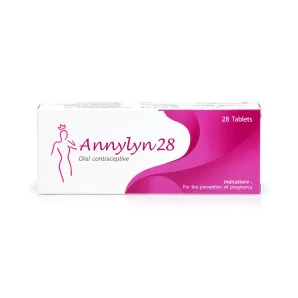 Annylyn
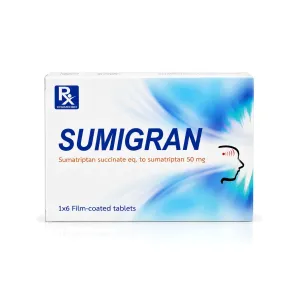 Sumigran
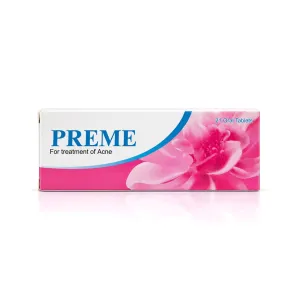 Preme
Preme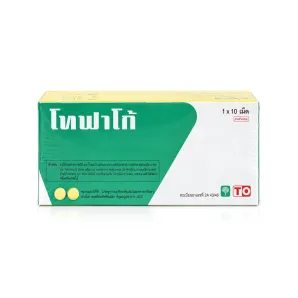 Tofago
 B-Ciprofloxacin
 Tansy One
 Enaril
 Nasonex