This guide compares ringworm and tinea versicolor treatment options, and how the two conditions differ. Ringworm and tinea versicolor are not the same condition — they are two distinct fungal skin infections often mentioned together, but caused by different fungi, different mechanisms, and requiring different treatment.
Ringworm (Tinea)
Caused by dermatophyte fungi, which feed on keratin in skin, hair, and nails. This produces an itchy, expanding red ring-shaped rash — hence the name “ringworm,” even though no worm is involved.
Tinea Versicolor (Pityriasis Versicolor)
Caused by Malassezia yeast, a fungus that naturally lives on everyone’s skin. When it overgrows — triggered by heat, sweat, or oily skin — it produces flat, discolored patches that are rarely itchy.
How Do Ringworm and Tinea Versicolor Differ?
Despite the similar-sounding names, ringworm and tinea versicolor can be clearly distinguished by rash appearance, color, itching, and location, as summarized below:
Feature
Ringworm
Tinea Versicolor
Causative fungus
Dermatophyte fungi
Malassezia yeast
Rash appearance
Red ring with a clear, slightly raised border; center may clear
Flat, smooth discolored patch with an indistinct border
Color
Red or pink
White, brown, or light pink (can vary on the same person)
Itching
Very itchy, especially at the border
Mild or no itching
Common sites
Body, groin, scalp, soles of feet
Chest, back, shoulders, neck
Contagious?
Easily spread by contact
Rarely contagious (a normal skin resident that overgrows)
Main topical treatment
Clotrimazole, Ketoconazole, Terbinafine
Ketoconazole, Selenium sulfide
What Are Ringworm Symptoms?
Ringworm symptoms start as a small red patch that gradually expands outward, with these distinct features:
Clear ring shape — a raised red border, with the center sometimes clearing to near-normal skin
Intense itching, especially at the expanding border
Continues spreading outward if untreated, growing several centimeters within weeks
Commonly found in the groin (jock itch), scalp, soles/between toes (athlete's foot / tinea pedis), and nails
Frequent scratching can cause secondary skin inflammation or bacterial infection
What Are Tinea Versicolor Symptoms?
Tinea versicolor is often noticed as uneven skin tone, especially after sun exposure, because the affected patches don't tan like surrounding skin:
Patches of uneven color — white, light brown, or pink depending on natural skin tone and sun exposure
Several risk factors overlap between ringworm and tinea versicolor:
Hot, humid climate — fungi thrive in tropical conditions
Heavy sweating, especially for people who exercise intensely or work outdoors
Tight clothing with poor ventilation, keeping skin damp
Weakened immunity, e.g. poorly controlled diabetes or immunosuppressant use
Oily skin — tinea versicolor is more common in oily skin since Malassezia feeds on skin oils
Close contact with people, pets, or shared items like towels, combs, shoes (higher risk for ringworm than tinea versicolor)
Nail Fungus vs Skin Ringworm — What's the Difference?
Nail fungus (onychomycosis) is a form of ringworm caused by the same dermatophyte fungi, but unlike skin ringworm it is far harder to treat.
Why is nail fungus harder to treat?
Because the fungus embeds itself under the hard, thick nail plate, topical cream cannot penetrate deep enough to reach it — unlike skin, where cream reaches the infected layer directly.
Nail fungus symptoms (including toenail fungus)
Thickened, brittle nails that crack easily
Nail color changes to yellow, cloudy white, or brown
Nail separating from the skin underneath
More common in toenails than fingernails, due to prolonged moisture inside shoes
See the next section for details on topical vs oral treatment for nail fungus.
When Is Topical Antifungal Cream Enough?
Topical antifungal cream is the primary treatment for ringworm and tinea versicolor that is limited to the skin, confined to a small area, and not widely spread.
Which active ingredients work
Ketoconazole — broad-spectrum, effective for both ringworm and tinea versicolor, e.g. Nizoral Cream
Clotrimazole — effective for general ringworm, e.g. Canesten Cream
Terbinafine — fast-acting for skin ringworm, often used for a shorter course
How to use it correctly
Apply a thin layer extending about 1-2 cm beyond the visible rash border
Apply once or twice daily for 2-4 weeks continuously, even after the rash appears to fade — stopping too early lets the fungus return
Tinea versicolor may need a longer course, and skin discoloration fades gradually after the fungus clears
When is topical treatment “enough”?
Cream alone is sufficient when: the rash is localized (a few small spots), not on the nails or scalp, and not frequently recurring. Under these conditions, consistent topical use per instructions usually clears the infection without oral medication.
When Do You Need Oral Antifungal Medication?
In some cases, topical cream alone is not enough — an oral antifungal such as Itraconazole is needed, e.g. Itraconazole (Spornar 100)
Signs that oral treatment is needed
Nail infection — topical cream cannot penetrate the nail; almost all cases need oral medication
Widespread infection or multiple patches across the body
Scalp infection — cream cannot reach the fungus hiding in hair follicles
No improvement after a full 2-week course of cream, or the infection keeps spreading
Frequent recurrence within a few months of clearing with cream
Weakened immunity, e.g. diabetes or immunosuppressant use, making the infection more severe than usual
Approximate treatment duration
Widespread skin infections generally need a much shorter course than nail infections — fingernail fungus takes several weeks, while toenail fungus, which grows out more slowly, usually requires a longer course than fingernails. A doctor or pharmacist determines the appropriate duration based on each case's severity.
Oral antifungals should be used under a doctor's or pharmacist's guidance, especially for people with liver conditions or those taking other regular medications — disclose these before starting treatment.
How to Prevent Fungal Infection in Clothing-Covered Areas?
Fungal infection in clothing-covered areas refers to ringworm developing in damp spots under clothing — groin, under the bust, skin folds — where sweat cannot evaporate easily.
Change underwear daily, and immediately after heavy sweating such as after exercise
Dry the skin thoroughly before dressing, especially skin folds and the groin
Don't share towels with others, and wash towels/clothing regularly in warm water
Avoid prolonged tight clothing, especially in hot weather
How to Prevent Recurrence?
Complete the full course even after the rash fades — leftover fungus is the main cause of recurrence
Keep skin dry, especially damp areas like between the toes and the groin
Don't share personal items like combs, shoes, towels, or socks
Wash clothing that touched the rash in hot water or with a disinfectant additive
Manage underlying conditions like diabetes that weaken immunity
Check pets — patchy hair loss or abnormal skin should be checked by a vet, since ringworm can spread from animals
If tinea versicolor recurs often, occasional preventive use of antifungal treatment during hot season may be considered, per a doctor's or pharmacist's advice
Frequently Asked Questions
Ringworm is caused by dermatophyte fungi, appearing as a red ring with a clear border and intense itching. Tinea versicolor is caused by Malassezia yeast, appearing as white/brown discolored patches with little itching — different fungi, though Ketoconazole cream can work on both.
Ringworm is caused by dermatophyte fungi that feed on keratin in skin, hair, and nails. It spreads through contact with infected people, pets, or shared items like towels, combs, and shoes — especially in hot, humid conditions where the fungus thrives.
Tinea versicolor is caused by Malassezia yeast, a fungus that already lives on everyone's skin. It overgrows when triggered by heat, humidity, heavy sweating, or oily skin — so unlike ringworm, it isn't spread person-to-person.
Ringworm or tinea versicolor rashes on the skin usually improve within 1-2 weeks, but should be treated continuously for 2-4 weeks even after the rash fades, to fully clear remaining fungus — stopping too early is the main cause of recurrence.
Cream alone is usually not enough because it cannot penetrate under the nail plate to reach the fungus. Almost all nail fungus cases need oral medication for thorough treatment. Consult a doctor or pharmacist before starting oral therapy, especially with liver conditions or other regular medications.
Toenail fungus takes longer to clear than fingernail fungus because toenails grow out more slowly. A doctor or pharmacist typically determines the appropriate duration based on severity, with periodic follow-up until a new, fungus-free nail fully replaces the old one.
Choose breathable clothing, change underwear daily and after heavy sweating, dry the skin thoroughly before dressing (especially the groin and skin folds), don't share towels, and avoid prolonged tight clothing in hot weather.
Yes, it fades on its own, but takes time — after the fungus is fully cleared, the affected skin may remain uneven in tone for several weeks to months, as skin cells need time to rebuild pigment matching the surrounding skin. Consistent sun exposure (with sun protection) can help even out skin tone faster.
⚠️ Disclaimer
The information on this page is for general informational purposes only and is not intended to replace professional medical advice, diagnosis, or treatment from a qualified doctor or pharmacist. If you have any questions about your symptoms or medication, always consult a doctor or pharmacist first.



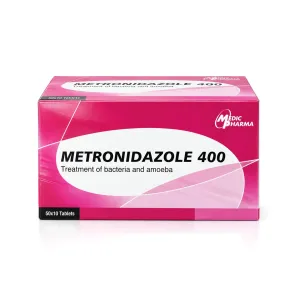 Metronidazole
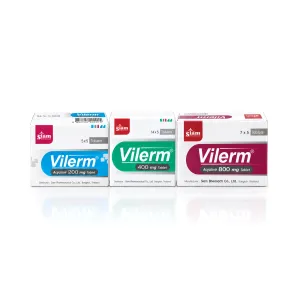 Vilerm
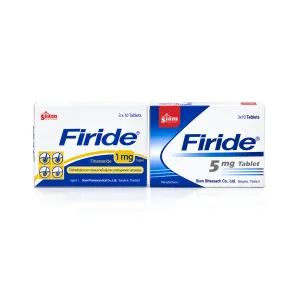 Firide
 Gofen
Gofen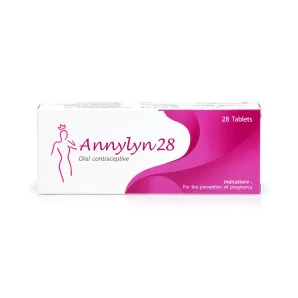 Annylyn
 Sumigran
 Preme
Preme Tofago
 B-Ciprofloxacin
 Tansy One
 Enaril
 Nasonex