Myositis is inflammation of the muscle tissue, causing:
Pain, swelling, redness, and warmth in the affected muscle
Muscle weakness, especially in the arms and legs
Difficulty moving and easy fatigue
Many possible causes, including overuse, infection, and an abnormal immune response
Treatable with rest, compresses, anti-inflammatory medicine, and muscle relaxants
See a doctor right away for severe pain, worsening weakness, a high fever, dark tea-coloured urine, or numbness, since these can signal a serious complication
Medically reviewed by
Supatcheree A., Pharmacist | Sources: NHS, Mayo Clinic, WHO, PubMed
Myositis symptoms include pain, swelling, weakness, and difficulty moving, caused by inflammation of the muscle tissue. It can affect a single area or spread across several parts of the body, depending on the cause and severity.
Myositis covers many types, from acute cases caused by overuse or injury to chronic forms caused by autoimmune disease, which need ongoing care.
The English name "myositis" comes from the Greek roots "myo" (muscle) and "itis" (inflammation). It covers everything from inflammation after an everyday injury to complex autoimmune muscle disease groups such as polymyositis and dermatomyositis.
Key Statistics About Myositis
About 1.71 billion people worldwide live with a musculoskeletal condition — WHO
Musculoskeletal conditions are the leading cause of disability worldwide, with low back pain the top contributor in 160 countries — WHO
54% of US adults report a musculoskeletal problem, costing an estimated $874 billion a year — BMJ Best Practice
Neck pain affected 203 million people worldwide in 2020, projected to reach 269 million by 2050 — The Lancet Rheumatology
Inflammatory myopathies have a prevalence of 2.4–33.8 per 100,000 people — NCBI StatPearls
Causes of Myositis
Myositis has many possible causes, from everyday muscle overuse to complex disease. The main causes are:
Overuse and Injury
The most common cause is overusing a muscle — intense exercise, heavy lifting, sitting in the same position for too long, or moving awkwardly. This causes tiny tears in the muscle fibres, which trigger inflammation.
Infection
Viral infections such as influenza and COVID-19 can trigger myositis. Bacterial or parasitic infections can also cause it, though less often.
Autoimmune Disease
The immune system attacks the body’s own muscle tissue, causing chronic inflammation. Examples include polymyositis, dermatomyositis, and inclusion body myositis.
Medications and Chemicals
Certain medications, such as statin cholesterol drugs, can cause myositis as a side effect, as can alcohol and certain recreational drugs.
Cause
Key Symptoms
Recovery Time (approx.)
Severity
Overuse / exercise
Aches, tightness, tenderness
3-7 days
Mild – moderate
Injury / awkward movement
Localized pain, swelling, bruising
1-4 weeks
Moderate
Viral infection (e.g. flu)
Body aches with fever
1-2 weeks (resolves with infection)
Mild – moderate
Autoimmune disease
Gradually worsening weakness, chronic pain
Chronic — needs ongoing treatment
Moderate – severe
Drug side effect (e.g. statins)
Aches, weakness, cramps
Resolves after stopping the drug (weeks-months)
Mild – moderate
📖 Want to know what medicine to take for myositis and how each option differs? Read more in What Medicine to Take for Myositis?, which covers pain relievers and muscle relaxants in full.
Myositis Symptoms: What to Look For
Myositis symptoms vary by cause and location, but the most common ones are:
Main Symptoms
Muscle aches — a dull ache all the time, or pain only on movement
Muscle weakness — feeling weak, difficulty lifting things or climbing stairs
Swelling and redness — the inflamed area may swell, feel warm, or turn red
Tightness and stiffness — the muscle feels tight, with reduced range of motion
Tenderness — pain when the inflamed area is pressed
Warning Signs
Pain so severe it keeps you awake
Muscle weakness that keeps getting worse
Fever alongside muscle pain
Unusually dark urine (may signal rhabdomyolysis)
No improvement after 1-2 weeks of self-care
Types of Myositis
Myositis can be classified into several types based on cause and course.
Acute Myositis
Comes on quickly, usually from injury, intense exercise, or infection. Symptoms typically improve within days to weeks with appropriate care.
Chronic Myositis
Gradually worsens and lasts a long time, usually caused by autoimmune disease. It needs ongoing treatment.
Polymyositis
An autoimmune disease causing weakness in several muscle groups, especially the upper arms and thighs. Most common in adults aged 30-60.
Dermatomyositis
Similar to polymyositis but with a skin rash — usually a purplish-red rash on the eyelids, face, or knuckles.
Inclusion Body Myositis (IBM)
Found mostly in people over 50. Progresses slowly, usually weakening the fingers and thighs, and responds poorly to treatment.
Type
Main Cause
Key Symptoms
At-Risk Group
Treatment
Acute
Injury, intense exercise, infection
Localized pain, swelling
All ages
Rest, compress, pain relievers
Chronic
Autoimmune, repeated strain
Chronic pain, gradually worsening weakness
Adults
Immunosuppressants, physical therapy
Polymyositis
Autoimmune
Weakness in upper arms and thighs
Ages 30-60
Immunosuppressants, steroids
Dermatomyositis
Autoimmune
Weakness plus purplish-red rash
Children and adults
Immunosuppressants, steroids, skin care
Inclusion Body Myositis
Unknown (degenerative + immune)
Gradual weakness in fingers and thighs
Age > 50
Physical therapy (responds poorly to drugs)
💡 Acute myositis from overuse or office syndrome can often be managed at home. Read more basic care techniques in How to Treat Myositis, which covers compresses, rest, and exercise in full.
How Is Myositis Diagnosed?
Diagnosing myositis starts with a medical history and physical exam. A doctor may then order further tests:
Blood Tests
Creatine Kinase (CK) — an enzyme that rises when muscle is damaged; a key marker
ESR / CRP — measure the level of inflammation in the body
Autoantibodies — test for antibodies linked to autoimmune disease, such as Anti-Jo-1
Other Tests
EMG (Electromyography) — measures the muscle’s electrical activity
MRI — shows the location and extent of inflammation
Muscle Biopsy — a tissue sample is examined, used when autoimmune disease is suspected
For myositis from ordinary overuse or injury, further testing is usually unnecessary — a doctor can diagnose it from symptoms and a physical exam alone.
How to Treat Myositis
Treatment depends on the cause and severity. For ordinary cases from overuse or injury, self-care includes:
The RICE Method — Basic Care
Rest — stop using the inflamed muscle and avoid activities that worsen the pain
Ice — apply a cold compress for 15-20 minutes every 2-3 hours during the first 48-72 hours
Compression — wrap the swollen area with an elastic bandage to reduce swelling
Elevation — raise the affected area above heart level to reduce swelling
Pain Relievers and Anti-Inflammatories
NSAIDs such as Ibuprofen reduce both pain and inflammation, and suit acute myositis. Take them after food to reduce stomach side effects.
Muscle Relaxants
When the muscle is very tense, a doctor may add a muscle relaxant such as Eperisone, Tolperisone, or Orphenadrine to ease the tension and reduce pain.
Physical Therapy
Physical therapy restores muscle strength and flexibility, and suits chronic cases or muscles recovering after the acute phase has improved.
Specialist Treatment
For myositis from autoimmune disease, a doctor may prescribe immunosuppressants or steroids, which require close medical supervision.
Medications Used to Treat Myositis
Medications for myositis fall into two main groups.
Pain Relievers and Anti-Inflammatories (NSAIDs)
NSAIDs such as Ibuprofen block the COX enzyme, reducing the prostaglandins that cause pain and inflammation. They suit acute myositis and help with both pain and swelling.
Muscle Relaxants
Muscle relaxants reduce muscle tension, making movement easier and reducing tension-related pain. Commonly used options include:
Eperisone — relaxes muscle at both the spinal cord and muscle level, with a vasodilating effect that improves blood flow to the muscle
Tolperisone — relaxes muscle at the spinal cord level, with less drowsiness than other muscle relaxants
Orphenadrine — relaxes muscle through the central nervous system, often combined with Paracetamol to boost pain relief
📖 Want a detailed comparison of muscle relaxants and which suits which symptom? Read more in Best Muscle Relaxant Brands Compared, which compares every angle.
Myositis: Heat or Cold Compress?
One of the most common questions is whether to use heat or cold. The answer depends on how long you have had the symptoms.
Cold Compress — For the First 48-72 Hours
A cold compress reduces blood flow to the inflamed area, easing swelling and pain. It suits myositis that has just started — apply for 15-20 minutes, wrapped in cloth before it touches the skin.
Heat Compress — After 72 Hours
A heat compress boosts blood flow, relaxing the muscle and easing stiffness. It suits myositis past the acute stage, or chronic aches.
Table 3 — Comparing Myositis Treatment Options
Treatment
Best For
Duration
Precautions
Cold compress
Acute inflammation, swelling, redness, heat
First 48-72 hrs (15-20 min each)
Wrap before applying; never place ice directly on skin
Heat compress
Chronic aches, muscle tightness, tension
After 72 hrs (15-20 min each)
Avoid while still swollen or red — may worsen inflammation
NSAIDs (e.g. Ibuprofen)
Moderate pain with inflammation
As prescribed (usually up to 7-10 days)
Take after food; caution if you have stomach problems
Muscle relaxants
Severe muscle tension and tightness
As prescribed (usually short-term)
May cause drowsiness; avoid driving with some types
Physical therapy
Chronic cases, recovery after injury
Ongoing per treatment plan
Should be supervised by a physical therapist
Massage
General aches, muscle tightness (not acute inflammation)
Occasional
Never massage a swollen, red, inflamed area
Can You Massage Myositis?
The short answer: it depends on the stage of your symptoms.
When Massage Is Okay
Muscle tightness from sitting at a desk too long, or office syndrome
General aches without swelling or redness
After acute inflammation has fully settled (past 72 hours)
When to Avoid Massage
Acute myositis that is still swollen, red, or hot
Suspected muscle tear
Numbness or weakness present alongside the pain
Massaging an area that is acutely inflamed can damage the tissue further and worsen symptoms — wait until the swelling and redness have gone down first.
💡 Wondering which type of massage helps with myositis, and which to avoid? Read more in the article Can You Massage Myositis?, which explains every case.
Myositis: Foods to Avoid
Certain foods can trigger inflammation or make symptoms worse, and are best avoided while you have symptoms.
Foods to Avoid
Alcohol — increases inflammation, dehydrates muscle, and disrupts recovery
High sugar — sweets and soft drinks trigger inflammation in the body
Trans fats — fried food and industrial baked goods raise inflammation levels
Excess salt — causes fluid retention and worsens swelling
Foods to Eat
Fish high in omega-3 — salmon and tuna help reduce inflammation
Dark fruits and vegetables — berries and leafy greens contain antioxidants
Good-quality protein — eggs, chicken breast, and beans help repair muscle
Water — drinking enough helps muscles recover faster
📖 Want more detail on what foods to avoid with myositis, and which foods help you heal faster? Read more in the article Myositis: Foods to Avoid, which has full nutrition guidance.
How to Prevent Myositis
Prevention is better than treatment. You can lower your risk of myositis with these steps:
Warm up before exercise — stretch for at least 5-10 minutes before starting
Increase intensity gradually — do not raise weight or intensity by more than 10% a week
Fix your work posture — monitor at eye level, a chair that supports your back, and get up and move every hour
Stay hydrated — dehydration makes muscles more prone to cramping and injury
Get enough sleep — the body repairs muscle during sleep; aim for 7-9 hours
Eat protein- and magnesium-rich foods — they nourish and help muscles recover
When to See a Doctor
Most myositis can be managed at home, but see a doctor right away if you have any of these:
Pain so severe you cannot bear it, or it keeps you awake
Muscle weakness that keeps worsening until you cannot manage daily activities
A high fever together with muscle pain
Tea-coloured, dark urine (a sign of Rhabdomyolysis, a medical emergency)
No improvement after 1-2 weeks of self-care
Numbness or a pins-and-needles sensation alongside the pain
Suspected muscle tear (sudden severe pain, bruising, heavy swelling)
Buy Myositis Medication Online at Intimo Life
If you need pain relievers, anti-inflammatories, or muscle relaxants, you can order online at Intimo Life and consult a pharmacist before ordering, with discreet shipping. Related products include
Myonal — an Eperisone muscle relaxant that eases tension and improves blood flow
Biocalm — a Tolperisone muscle relaxant with low drowsiness
Mydocalm — the original-brand Tolperisone muscle relaxant
Norgesic — an Orphenadrine muscle relaxant combined with Paracetamol for built-in pain relief
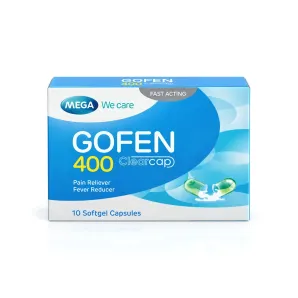
Gofen — an Ibuprofen pain reliever and anti-inflammatory that reduces pain and swelling
Sign up as an Intimo Life member for exclusive benefits and free pharmacist consultations.
Frequently Asked Questions
Acute myositis from overuse usually improves within 3-7 days. If caused by an injury, it can take 1-4 weeks. Myositis from autoimmune disease needs long-term, ongoing treatment.
Myositis is inflammation of the tissue, with symptoms building gradually as general aches. A torn muscle is an actual tear in the muscle fibres — usually sudden severe pain, sometimes with a "pop" sound, heavy bruising and swelling, and it needs medical attention.
Yes. Stress can make muscles stay tense for long periods without you noticing, especially around the neck and shoulders, which can lead to aches and inflammation.
During the acute phase, rest and avoid strenuous exercise. Once symptoms improve, you can start with light activity such as walking or stretching, then gradually increase the intensity.
Yes, after the first 72 hours. A warm shower boosts blood flow and relaxes the muscle. During the first 48-72 hours while it is still swollen and red, use cool or room-temperature water instead.
Topical products containing Diclofenac, Menthol, or Methyl Salicylate can relieve localized pain, and suit mild cases.
If it recurs often with no clear cause — no intense exercise or injury — see a doctor to investigate. It could be autoimmune disease, a posture problem, or a nutrient deficiency.
The English term is "myositis," from the Greek roots "myo" (muscle) and "itis" (inflammation). It covers both ordinary injury-related inflammation and autoimmune muscle disease.
Vitamins and minerals that support muscle health include magnesium (reduces cramps), vitamin D (supports muscle and bone), omega-3 (reduces inflammation), and protein (repairs tissue). Consult a doctor or pharmacist before taking supplements.
In the first 48-72 hours, use a cold compress (ice wrapped in cloth) for 15-20 minutes at a time. After that, switch to a warm compress (hot water bottle, warm damp cloth) to improve blood flow and relax the muscle.
⚠️ Disclaimer
The information on this page is for general informational purposes only and is not intended to replace professional medical advice, diagnosis, or treatment from a qualified doctor or pharmacist. If you have any questions about your symptoms or medication, always consult a doctor or pharmacist first.



 Metronidazole
 Vilerm
 Firide
 Gofen
 Annylyn
 Sumigran
 Preme
 Tofago
 B-Ciprofloxacin
 Tansy One
 Enaril
 Nasonex