What medicine for myositis? Most people wonder what medicine to take when a muscle becomes inflamed. Medicines used for myositis fall into three main groups, based on how they work.
General painkillers (analgesics) — paracetamol for basic pain relief
Anti-inflammatory painkillers (NSAIDs) — such as ibuprofen, which reduce both pain and inflammation
Muscle relaxants — ease muscles that are tight and in spasm
Each group has its own strengths and limits, and some cases call for combining them for the best result. Let's look at each group in turn.
Paracetamol — a basic painkiller
Paracetamol is the painkiller most people in Thailand know best, and it is easy to find at any pharmacy.
How it works
Paracetamol works by inhibiting prostaglandin production in the central nervous system, which relieves pain and reduces fever, but it has no direct anti-inflammatory effect on the muscle itself.
When it suits you
Mild to moderate muscle pain
General aches with no swelling or redness
Anyone with a stomach condition or peptic ulcer who cannot take NSAIDs
Limitations
Does not reduce inflammation — if the muscle is also swollen and red, paracetamol alone may not be enough
Never exceed the recommended dose — overdose can cause serious liver damage
Do not drink alcohol with it, as this raises the risk to the liver
Anti-inflammatory painkillers (NSAIDs) — relieve pain and reduce swelling
NSAIDs (Non-Steroidal Anti-Inflammatory Drugs) work in three ways at once — relieving pain, reducing fever and reducing inflammation — which suits myositis better than paracetamol.
How they work
NSAIDs inhibit the cyclooxygenase (COX) enzyme, which produces the prostaglandins responsible for pain, swelling and inflammation. They act both in the central nervous system and directly at the site of inflammation.
Common NSAIDs
Ibuprofen — the most widely used NSAID, suited to mild-to-moderate pain with inflammation. Gofen, which contains ibuprofen, is available at Intimo Life
Diclofenac — available both as tablets and as a topical application
Naproxen — longer-acting than ibuprofen
When it suits you
Myositis with swelling, redness or warmth
Pain from a sprain or a torn muscle
Back, neck or shoulder pain from office syndrome
Cautions
Take with or after food to reduce stomach irritation
Do not use continuously for more than 10 days without asking a doctor
Avoid it if you have a peptic ulcer, kidney disease, heart disease, or are pregnant
📖 Read more: How to treat myositis — treatment methods covering medicine, compresses and physiotherapy
Paracetamol vs NSAIDs compared
A study in the European Journal of Pain (2015), drawing on 16 systematic reviews, found that ibuprofen consistently relieves pain better than paracetamol across many conditions, including acute pain and osteoarthritis pain.
A further 2021 study on PubMed also found that a fixed-dose combination of ibuprofen and paracetamol lowers the chance of muscle pain becoming chronic better than either painkiller used alone.
Property
Paracetamol
NSAIDs (ibuprofen)
Pain relief
✅
✅
Anti-inflammatory
❌
✅
Fever reduction
✅
✅
Effect on stomach
Very mild
Can irritate
Effect on liver
Risk if overdosed
Minimal
Effect on kidneys
Minimal
Risk with prolonged use
Best suited for myositis
Mild pain, no swelling
Pain with swelling and redness
Muscle relaxants — easing spasm and tightness
Muscle relaxants act on the central nervous system to reduce spasm, tightness and muscle contraction — symptoms that often come together with myositis.
Why use a muscle relaxant?
When a muscle is inflamed, the body responds by tightening the muscle around it to prevent further injury. But that tightening compresses the small blood vessels, reducing blood flow to the muscle and causing local ischaemia, which makes the pain worse — an endless pain-spasm-pain cycle.
Muscle relaxants break this cycle: the muscle relaxes, blood flow improves, and pain eases.
💡 Read more: Myositis symptoms — learn the symptoms at each site so you can choose the right medicine
Muscle relaxants available in Thailand
Several muscle relaxants are commonly used in Thailand, each with its own strengths.
Eperisone — acts on the central nervous system to reduce muscle spasm, and also dilates blood vessels to improve blood flow to the tight muscle. Its advantage is causing little drowsiness, making it suitable for people who need to work during the day, such as Myonal
Tolperisone — works similarly to eperisone by blocking mono- and polysynaptic reflex signalling in the spinal cord, and has a lidocaine-like local anaesthetic action that also helps relieve pain. It likewise causes little drowsiness and does not weaken the muscle, such as Mydocalm and Biocalm
Orphenadrine — a muscle relaxant combined with paracetamol in a single tablet, relaxing the muscle and relieving pain at the same time. It suits people who want convenience.
Comparing the different muscle relaxants
A study in the Asian Spine Journal (2012) found tolperisone effective for acute lower back pain, significantly reducing pain at rest and on movement compared with the control group (p = 0.0001), without causing drowsiness.
Can you take a painkiller together with a muscle relaxant?
Yes — and in many cases combining them works better than using either alone.
A study in Pain and Therapy (2019) found that combining a muscle relaxant with an NSAID relieved pain better than an NSAID alone: 94.08% of the combined-treatment group rated the outcome "good to very good", compared with 77.33% in the group using a painkiller alone.
A more recent systematic review in the European Spine Journal (2025), covering 50 studies with 7,531 participants, confirmed that combining a muscle relaxant with an NSAID works better than an NSAID alone for global efficacy (RR: 0.62, p = 0.01)
How to combine them
NSAID + muscle relaxant — suits myositis with pain, swelling and spasm together
Paracetamol + muscle relaxant — suits anyone who cannot take NSAIDs (for example, with a stomach condition)
Orphenadrine + paracetamol (combination) — such as Norgesic, which combines a muscle relaxant and a painkiller in a single tablet, so you do not need to take several medicines
How to choose the right medicine for your symptoms
Always take with food to reduce stomach irritation
Do not use NSAIDs continuously for more than 10 days without asking a doctor
Avoid them if you have a history of peptic ulcer, kidney disease, heart disease or pregnancy
Never combine several NSAIDs at once, as this raises the risk of side effects
Muscle relaxant precautions
Some muscle relaxants can cause drowsiness — take care if you need to drive or operate machinery
Do not drink alcohol with a muscle relaxant, as it increases the sedative effect
Use them short-term only (no more than 2–3 weeks) as advised by a doctor or pharmacist
Paracetamol precautions
Never exceed the recommended dose (no more than 4,000 mg per day)
Watch for duplication — many products already contain paracetamol (such as cold and fever remedies)
Do not drink alcohol with it, as this raises the risk of liver damage
📖 Read more: Myositis — hot or cold compress? — choose the right compress to help the medicine work better
A note from the author
This article is compiled from reviewed medical information and is not meant to replace advice from a doctor or pharmacist. If symptoms are severe or you are unsure, consult a health professional.
Frequently Asked Questions
Generally, use it for a short period only, no more than 2–3 weeks. If symptoms do not improve, see a doctor to check for another cause.
Both are newer-generation muscle relaxants that cause little drowsiness. Eperisone also dilates blood vessels to increase blood flow to the muscle, while tolperisone has a built-in, lidocaine-like local pain-relieving effect.
Norgesic combines orphenadrine and paracetamol, so it relaxes the muscle and relieves pain in a single tablet, without needing to take several medicines. It may, however, cause more drowsiness than eperisone or tolperisone.
It depends on severity. Mild cases may improve within 3–7 days, and moderate cases can take 1–2 weeks. See a doctor if there is no improvement after 2 weeks.
If symptoms have not improved within 7–10 days of using medicine, see a doctor for further diagnosis. You may need physiotherapy or tests to check for another cause.
A muscle relaxant is a pharmacist-dispensed medicine. You can order it online at Intimo Life, with a pharmacist available to consult before you order, and sign up for membership to get exclusive benefits.
Yes. Combining them usually relieves pain better than either alone. A systematic review in the European Spine Journal (2025), covering 50 studies with 7,531 participants, confirmed that a muscle relaxant plus an NSAID outperforms an NSAID alone.
No. Alcohol increases a muscle relaxant's sedative effect, making drowsiness worse and creating a safety risk if you need to drive or operate machinery.
⚠️ Disclaimer
The information on this page is for general informational purposes only and is not intended to replace professional medical advice, diagnosis, or treatment from a qualified doctor or pharmacist. If you have any questions about your symptoms or medication, always consult a doctor or pharmacist first.



 Metronidazole
 Vilerm
 Firide
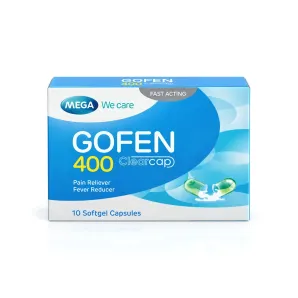 Gofen
 Annylyn
 Sumigran
 Preme
 Tofago
 B-Ciprofloxacin
 Tansy One
 Enaril
 Nasonex