
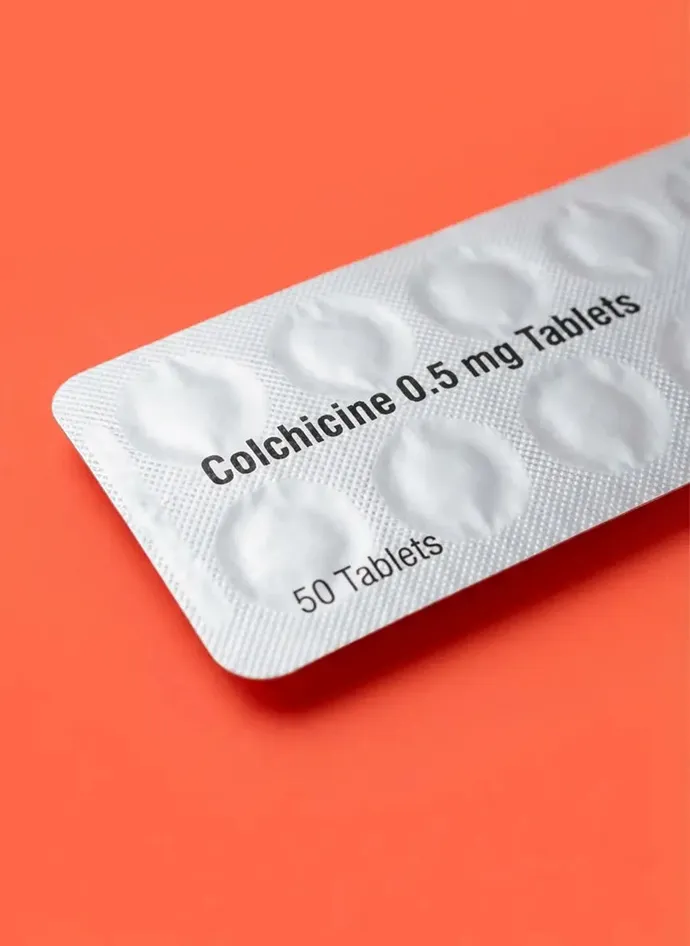
Colchicine
Amoxicillin — Antibiotic / Antibacterial
Amoxicillin is the most widely prescribed antibiotic in the world — trusted for decades and effective against a broad range of bacterial infections, from respiratory and urinary tract infections to dental abscesses and skin infections. Intimo Life offers Amoxicillin in both standard and enhanced formulations.
💊 Amoxicillin antibiotics available in both standard and Clavulanic Acid-enhanced formulations. Choose the one that fits your needs.
👨⚕️ Consult a pharmacist online instantly — no travel, no queues, completely private and convenient.
🚚 Fast, confidential delivery — plain packaging with no product names on the outside, delivered safely to your door.
What is Colchicine?
Colchicine is an anti-inflammatory medication used to treat gout for over 2,000 years, working best when taken within 12-24 hours after a flare begins. It treats acute attacks and helps prevent recurrence, unlike Allopurinol, which lowers uric acid directly rather than reducing inflammation. Intimo Life offers Tolchicine, but dosing must be precise since the effective and toxic doses are very close together.
🛒 Shop the range above · 24-hour dispatch from Intimo Life — consult a pharmacist if unsure.
Colchicine is an anti-inflammatory medication used to treat gout for over 2,000 years, originally derived from the Autumn Crocus plant. It remains a guideline-recommended treatment for both acute gout flares and flare prevention.
📊 Key facts about Colchicine:
- Most effective when taken within 12-24 hours of symptom onset
- Works for both acute treatment and long-term prevention
- Unlike uric acid-lowering drugs (e.g. Allopurinol), Colchicine reduces inflammation rather than uric acid levels directly — they're often used together
💊 At Intimo Life:
- Tolchicine — Colchicine for rapid gout flare relief
⚠️ Colchicine has a narrow margin between the effective dose and the toxic dose. Strict adherence to dosing is essential. Always consult a pharmacist before use.

Available Treatments
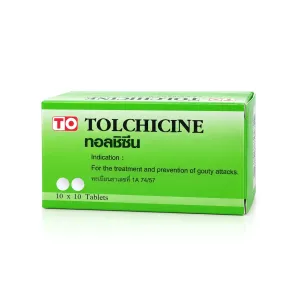 Tolchicine
Fast-acting relief for acute gout flare-ups
✓ In stock250.00 ฿(฿2.5/tablet)
About Colchicine
What Is Colchicine? How Does It Work?
Colchicine is an anti-inflammatory drug specifically effective against gout inflammation. It is not a general painkiller and does not directly lower uric acid levels.
🔬 Mechanism of action — Colchicine inhibits neutrophils (white blood cells) from migrating to joints where uric acid crystals have deposited. This reduces inflammatory mediator release, rapidly decreasing swelling, redness, heat, and pain in the affected joint.
Important: Colchicine doesn't lower blood uric acid levels. Uric acid-lowering drugs like Allopurinol do that. Colchicine targets the inflammation caused by uric acid crystals. The two are often used together.
What Is Colchicine Used For?
💊 Acute gout flares — The primary indication. Take immediately at the first sign of joint pain, swelling, and redness. The earlier, the better.
💊 Gout flare prevention (prophylaxis) — Low-dose daily use, especially during the first 3-6 months of starting uric acid-lowering medication, when flares are common.
💊 Familial Mediterranean Fever (FMF) — A hereditary chronic inflammatory condition. Colchicine is the primary treatment.
💊 Pericarditis — Research supports using Colchicine alongside other anti-inflammatory drugs for pericarditis treatment.
How to Take Colchicine
For acute gout flares (current low-dose regimen):
- Take 1 mg immediately at symptom onset
- Follow with 0.5 mg one hour later (total 1.5 mg on day one)
- From day two: 0.5 mg two to three times daily until symptoms resolve (typically 3-5 days)
⏰ The earlier, the better — Colchicine is most effective within 12-24 hours of symptom onset. After 36 hours, effectiveness drops significantly.
For flare prevention:
- 0.5-0.6 mg once or twice daily, continuously, as directed by your pharmacist or doctor
⚠️ Never increase the dose on your own — Colchicine has a very narrow margin between therapeutic and toxic doses. Overdosing is dangerous.
Side Effects
Most side effects are gastrointestinal.
Common — Diarrhoea (the most common — it's a signal that you may have taken enough or too much) / nausea, vomiting / abdominal pain
Rare but important — Muscle weakness and pain (especially when combined with Statins or in patients with kidney problems) / blood cell abnormalities (with long-term high doses)
Important: If diarrhoea occurs after taking Colchicine, stop the medication. Diarrhoea is a warning sign that the dose is sufficient or excessive.
Contraindications and Precautions
🚫 Contraindications — Severe combined liver and kidney impairment / known allergy to Colchicine
⚠️ Dose adjustment required — Chronic kidney disease (kidneys excrete Colchicine — impaired kidneys cause accumulation) / liver problems / elderly patients
💊 Drug interactions — Macrolide antibiotics (e.g. Clarithromycin, Erythromycin) significantly increase Colchicine blood levels / Cyclosporine / caution with cholesterol-lowering Statins as the combination increases muscle pain risk
Colchicine vs Uric Acid-Lowering Drugs — What's the Difference?
Colchicine — Reduces inflammation from uric acid crystals / used during acute flares or for prevention / does not lower blood uric acid levels
Uric acid-lowering drugs (e.g. Allopurinol, Febuxostat) — Reduce uric acid production in the body / taken daily for long-term uric acid control / don't directly treat inflammation
Used together — Doctors typically prescribe Colchicine alongside uric acid-lowering drugs for the first 3-6 months, as changing uric acid levels can trigger flares. Colchicine prevents this.
Why Must Colchicine Be Taken As Early As Possible?
When uric acid crystals deposit in a joint, the body sends neutrophils to attack them, triggering intense inflammation. The more neutrophils accumulate, the worse the inflammation.
Colchicine blocks neutrophil migration. Taken early — when few neutrophils have arrived — it controls the situation easily. But if you wait until the joint is flooded with neutrophils, Colchicine becomes far less effective.
💡 Tip: Always carry Colchicine if you have frequent gout flares, so you can take it immediately at the first sign of symptoms.
Where Can I Buy Colchicine?
Colchicine requires a pharmacist consultation before use, as the margin between an effective dose and a toxic dose is very narrow. You can order Colchicine online at Intimo Life in a few simple steps:
- Consult a pharmacist online to assess your condition and receive proper dosing guidance
- Once the pharmacist confirms the medication is suitable for you, place your order for Tolchicine
- Receive your medication at home — confidential delivery in plain packaging with no product names
No need to visit a pharmacy, no queues. Consult a pharmacist from the comfort of your home — convenient, fast, and private.
Colchicine vs NSAIDs for Gout — Which to Choose?
Both Colchicine and NSAIDs (such as Indomethacin, Naproxen) treat acute gout flares.
Choose Colchicine when — Already taking uric acid-lowering drugs and need prophylaxis / stomach problems or acid reflux make NSAIDs unsuitable / heart conditions requiring NSAID caution
Choose NSAIDs when — Simpler dosing / kidney issues requiring Colchicine caution / stronger pain relief needed
Can be combined — In severe cases, doctors may prescribe both together.
Lifestyle Tips for Gout Patients
Colchicine and uric acid-lowering drugs work best alongside lifestyle modifications.
🍺 Limit alcohol — Especially beer, which raises uric acid the most.
🥩 Reduce high-purine foods — Organ meats, certain seafood (shrimp, shellfish, sardines), concentrated broths.
💧 Drink plenty of water — At least 2-3 litres daily to help kidneys excrete uric acid.
⚖️ Maintain healthy weight — Excess weight increases uric acid levels.
🥤 Reduce sugar and soft drinks — Fructose increases uric acid production.
🩺 Regular blood tests — Monitor uric acid levels every 3-6 months, especially if you also have high blood pressure, diabetes, or high cholesterol.
When Should You See a Doctor?
🚨 See a doctor if — Gout flares more than twice per year / Colchicine doesn't improve symptoms within 48 hours / severe diarrhoea after taking Colchicine / tophi (uric acid nodules) forming around joints / multiple joints affected simultaneously / fever with joint inflammation (possible septic arthritis)
⚠️ Disclaimer
The information on this page is for general informational purposes only and is not intended to replace professional medical advice, diagnosis, or treatment from a qualified doctor or pharmacist. If you have any questions about your symptoms or medication, always consult a doctor or pharmacist first.
References
- FitzGerald, J.D. et al. (2020). "2020 American College of Rheumatology Guideline for Management of Gout." Arthritis Care & Research
- Richette, P. et al. (2017). "2016 Updated EULAR Evidence-based Recommendations for Gout." Annals of the Rheumatic Diseases
- Terkeltaub, R.A. et al. (2010). "High vs Low Dosing of Oral Colchicine for Early Acute Gout Flare." Arthritis & Rheumatism
- Thai FDA (สำนักงานคณะกรรมการอาหารและยา)
- Mayo Clinic — Gout
Frequently Asked Questions
Not directly. Colchicine reduces inflammation caused by uric acid crystals — it doesn't lower blood uric acid levels. Allopurinol or Febuxostat do that. However, Colchicine is often used alongside uric acid-lowering drugs to prevent flares during the initial treatment period.
Effectiveness decreases significantly after 36 hours, but it can still help somewhat. Take it, but you may need to combine with NSAIDs or Corticosteroids. Consult a pharmacist.
Diarrhoea signals that you've had enough or too much. Stop temporarily. Once resolved, restart at a lower dose. Consult a pharmacist for adjustment.
For acute flares: 3-5 days until symptoms improve. For prevention: low daily doses for 3-6 months or longer as directed by your doctor.
Yes, but with caution. Colchicine + Statin can increase muscle pain risk. If you experience muscle pain, weakness, or unusually dark urine, stop both medications and see a doctor immediately.
Gout can be very well controlled but requires ongoing management. Keeping uric acid consistently below 6 mg/dL allows existing crystals to gradually dissolve, preventing flares. This requires continuous medication and lifestyle adjustments.