

Chronic Acid Reflux: How Do You Manage It So It Heals?
Chronic acid reflux (chronic GERD) is when stomach acid flows back up into the esophagus frequently, continuing for more than 8 weeks or recurring often. The main cause is a malfunctioning lower esophageal sphincter, combined with repeated triggering habits.
- 🔥 Happening more than twice a week for longer than 8 weeks counts as chronic
- 💊 Medication combined with lifestyle changes is needed to control symptoms
- ⚠️ Left untreated, it can lead to esophagitis or Barrett's esophagus
- 🛏️ Sleeping on your left side keeps the stomach lower than the esophagus, reducing reflux
- 📉 Losing even 5–10% of body weight can significantly reduce symptoms

What Is Chronic Acid Reflux? How Is It Different from Occasional Reflux?
Occasional acid reflux happens now and then — for example, after eating something too spicy, or lying down right after a meal — and it usually resolves on its own. But if it happens more than twice a week, continuing for more than 8 weeks, it falls into the "chronic" category. This article covers how to stop chronic acid reflux from coming back, not just ease a single flare-up.
📊 Data from the American College of Gastroenterology shows that about 30–40% of people with GERD go on to develop the chronic form that needs ongoing medication.
The key difference is that chronic acid reflux tends to repeatedly inflame the esophageal lining, causing cumulative damage. Left untreated for a long time, it can lead to complications such as Barrett's esophagus, a change in the lining cells that needs to be monitored by a doctor.
| Aspect | Occasional Reflux | Chronic Reflux |
|---|---|---|
| Frequency | Occasional | More than 2x/week |
| Duration | Resolves in 1–2 weeks | Continues for more than 8 weeks |
| Treatment | Occasional lifestyle changes/antacids | Continuous medication + lifestyle changes |
| Complication risk | Low | High (esophagitis, Barrett's esophagus) |
| Needs a doctor | Not always necessary | Should see a doctor to plan treatment |
Why Does It Keep Coming Back?
Many people feel better on medication, only for symptoms to return once they stop. That's because medication reduces acid but doesn't fix the underlying cause. Several factors make chronic acid reflux keep recurring.
A weak esophageal sphincter
The lower esophageal sphincter (LES) acts like a gate that keeps acid from flowing back up. If this sphincter is weak or relaxes too often, acid can reflux easily.
Repeated triggering habits
- Lying down right after eating (wait at least 2–3 hours)
- Eating oversized meals, which expands the stomach and pushes acid upward
- Smoking, which relaxes the esophageal sphincter
- Regularly drinking alcohol, coffee, or carbonated drinks
Excess body weight
Abdominal fat presses on the stomach, raising pressure in the abdomen, which makes acid reflux more likely. 📊 Research published in the New England Journal of Medicine found that people with a BMI over 30 have a 2.5 times higher risk of chronic GERD than people at a normal weight.
Hiatal hernia
This is when the upper part of the stomach slides up into the chest cavity, impairing how the esophageal sphincter works. It's a common cause in people with severe chronic acid reflux.
📖 Want to know which symptoms really mean acid reflux? Read more: Acid Reflux Symptoms: Mild vs Doctor-Worthy
How to Adjust Your Lifestyle for Real Improvement
Behavioral change is central to managing chronic acid reflux. Medication alone is not enough — you also need to change how you live.
Eating habits
- Eat small, frequent meals instead of three large ones, to reduce pressure in the stomach
- Avoid trigger foods such as very spicy or sour food, fatty or fried food, chocolate, and mint
- Stop eating 2–3 hours before bed to let the stomach digest first
- Chew slowly to reduce swallowed air in the stomach
Sleep habits
- Raise the head of the bed by 6–8 inches using bed risers or a wedge under your back — not just extra pillows, since a high pillow bends the neck while the stomach stays flat
- Sleep on your left side, which keeps the stomach lower than the esophagus and reduces reflux
Weight
Losing even 5–10% of body weight can significantly reduce symptoms. 📊 Mayo Clinic notes that weight loss is the best-supported method for reducing chronic acid reflux symptoms.
Other factors
- Quit smoking — nicotine relaxes the esophageal sphincter
- Reduce stress — stress doesn't increase acid production, but it makes the esophagus more sensitive to acid
- Avoid tight clothing, especially around the waist
| Lifestyle Change | Result | Evidence Level |
|---|---|---|
| Raise head of bed 6–8 in | Clearly reduces nighttime reflux | High (confirmed by multiple studies) |
| Lose 5–10% of body weight | Reduces frequency and severity of symptoms | High |
| Stop eating 2–3 hrs before bed | Reduces nighttime reflux | Moderate |
| Sleep on left side | Reduces esophageal acid exposure | Moderate |
| Quit smoking | Improves esophageal sphincter function | High |
| Small, frequent meals | Reduces stomach pressure | Moderate |
💡 Want to know which foods you can eat and which to avoid? Read more: What to Eat with Acid Reflux: Foods to Choose & Avoid
Medications Used to Treat Chronic Acid Reflux
For chronic acid reflux, medication needs to be more systematic than for occasional reflux. Doctors usually start with a PPI as the main treatment.
PPIs (Proton Pump Inhibitors)
PPIs are the main treatment for chronic acid reflux. They work by blocking acid production at the source — for example, Omeprazole and Esomeprazole (Nexium).
- Take 30 minutes before a meal so the medication can work at full effect
- Doctors typically prescribe continuous use for 4–8 weeks, then gradually taper the dose
- Do not stop suddenly on your own — this can cause rebound acid hypersecretion
H2 Blockers
These act faster than PPIs but are less potent. They're useful as an add-on at night, or while gradually tapering off a PPI.
Liquid Antacids
These relieve symptoms quickly but are not suitable as the main treatment for chronic reflux, since they act briefly and do not reduce acid production.
Prokinetic Agents
These help the stomach contract more effectively so food moves through faster, reducing the chance of reflux. A doctor may prescribe one alongside a PPI in some cases.
⚠️ Important: chronic acid reflux should be managed with a doctor's or pharmacist's guidance to plan the right medication. Do not buy and take medication continuously on your own without follow-up.
📖 Want to understand the differences between each drug class in detail? Read more: Acid Reflux Medications: PPI, H2, Antacid Explained
When You Should See a Doctor
Some people manage chronic acid reflux well on their own, but certain signs mean you should see a doctor promptly.
- Difficulty or pain when swallowing — may indicate esophageal narrowing
- Unintentional weight loss
- Vomiting blood or black stools — a sign of bleeding in the digestive tract
- No improvement after 8 weeks on a PPI
- Severe chest pain — must be distinguished from a heart condition first
- Symptoms that keep getting worse despite lifestyle changes and medication
A doctor may order further tests, such as an endoscopy to examine the esophagus, or pH monitoring to measure acid levels.
| Sign | Urgency | What to Do |
|---|---|---|
| Difficulty/pain swallowing | High | See a doctor within 1–2 weeks |
| Vomiting blood / black stools | Emergency | Go to the ER immediately |
| Unexplained weight loss | High | See a doctor promptly |
| PPI not working after 8 weeks | Moderate | Book a doctor's visit to adjust treatment |
| Severe chest pain | Emergency | Go to the ER immediately (rule out a heart condition) |
| Symptoms keep getting worse | Moderate–High | See a doctor for further testing |
Frequently Asked Questions
Yes, it can resolve completely if you commit to real lifestyle changes alongside the medication your doctor prescribes. Many people are able to stop medication once symptoms settle and a good lifestyle is maintained consistently. However, if there is a structural issue such as a hiatal hernia, ongoing treatment or surgery may be needed.
Taking a PPI continuously for several years may raise certain risks, such as reduced calcium and magnesium absorption. For people who genuinely need it, a doctor weighs the benefits against the risks and may adjust the dose down to the lowest level that still controls symptoms.
Do not stop a PPI abruptly. Taper the dose down gradually under your doctor's guidance — an H2 blocker or antacid can be used as a bridge during the transition.
Yes. When medication does not work well or you would rather not take medication for life, fundoplication surgery is an option a doctor may recommend — it wraps the upper part of the stomach around the esophagus to reinforce the sphincter.
Stress does not directly increase acid production, but it does make the esophagus more sensitive to acid, so the burning feels more intense than usual. Managing stress is therefore part of caring for chronic acid reflux.
PPIs such as Omeprazole and Esomeprazole block acid production at the source; they act more slowly but control symptoms for longer, making them the main treatment for chronic acid reflux. H2 blockers act faster but are less potent, so they are typically used as an add-on at night or while tapering off a PPI. Your doctor chooses between them based on how severe and how long-lasting your symptoms are.
Left untreated, chronic acid reflux repeatedly inflames the esophageal lining and causes cumulative damage, which can lead to Barrett's esophagus — a change in the lining cells that needs close monitoring by a doctor. Starting treatment early with medication and lifestyle changes helps reduce this risk.
Yes — losing even 5–10% of body weight can significantly reduce symptoms, since less abdominal fat means less pressure pushing acid upward. Mayo Clinic notes that weight loss is the best-supported method for reducing chronic acid reflux symptoms.
⚠️ Disclaimer
The information on this page is for general informational purposes only and is not intended to replace professional medical advice, diagnosis, or treatment from a qualified doctor or pharmacist. If you have any questions about your symptoms or medication, always consult a doctor or pharmacist first.
Related Products
Acid Reflux Treatment
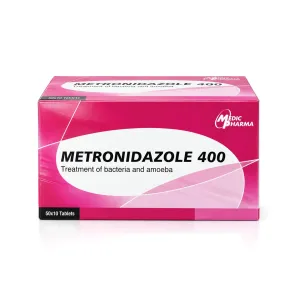 Metronidazole
Treats bacterial vaginosis & abnormal vaginal discharge
✓ In stock40.00 ฿(฿4/tablet)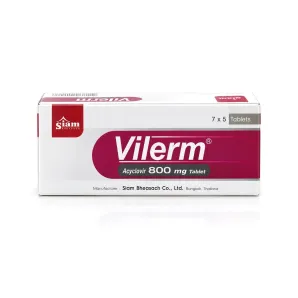 Vilerm
Oral herpes treatment reduces recurrence
✓ In stockFrom 55.00 ฿(฿11/tablet)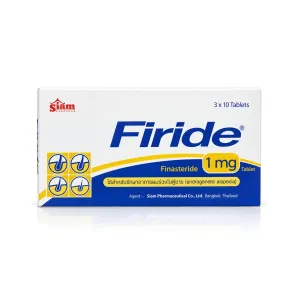 Firide
Finasteride for hair growth – quality & value
✓ In stockFrom 345.00 ฿(฿11.50/tablet)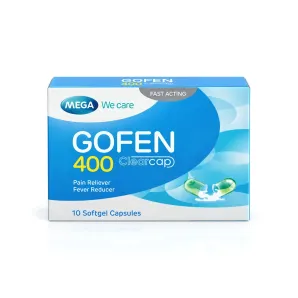 Gofen
Gofen for period pain, headache & muscle ache
✓ In stock120.00 ฿(฿12/tablet)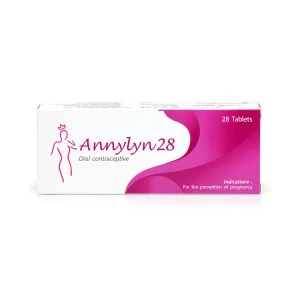 Annylyn
 birth control pill, simple & easy-to-use
✓ In stock118.00 ฿(฿4.21/tablet)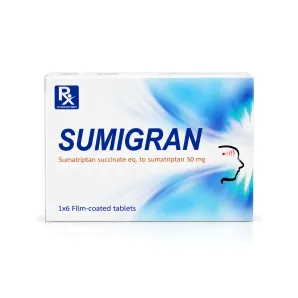 Sumigran
Targeted migraine relief, gentle on stomach
✓ In stock98.00 ฿(฿16.33/tablet)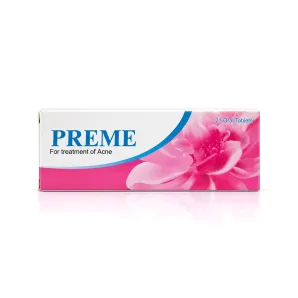 Preme
Gentle formula for skin care & less water retention
✓ In stock105.00 ฿(฿4.11/tablet)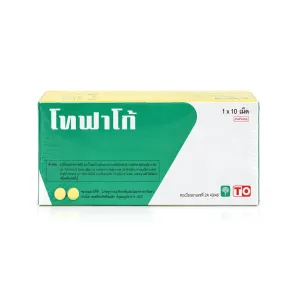 Tofago
Targeted migraine & severe headache relief
✓ In stock40.00 ฿(฿4/tablet)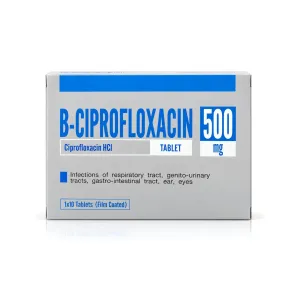 B-Ciprofloxacin
Ciprofloxacin antibiotic, effective for UTI
✓ In stock49.00 ฿(฿4.9/tablet)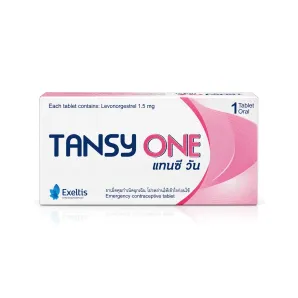 Tansy One
Single-dose emergency contraceptive pill
✓ In stock80.00 ฿(฿80/tablet)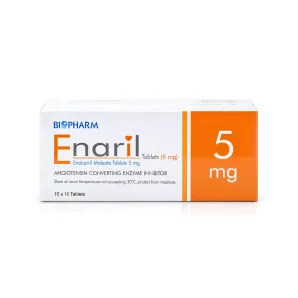 Enaril
ACE inhibitor for blood pressure & heart care
✓ In stockFrom 150.00 ฿(฿1.5/tablet)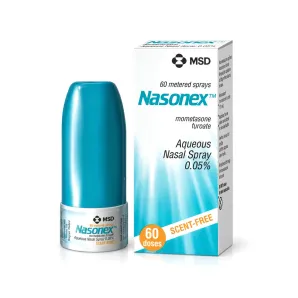 Nasonex
Daily nasal spray for allergy relief without drowsiness
✓ In stockFrom 549.00 ฿
Become a member of our store to receive news and exclusive discounts.