
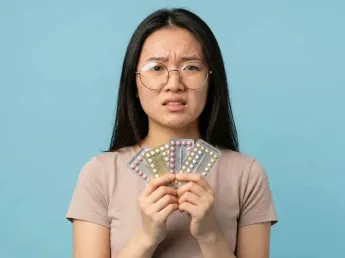
The connection between birth control pills and acne treatment — which pills help reduce breakouts.
Can birth control pills really treat acne?
Combined hormonal birth control pills (oestrogen + progestin) can genuinely help reduce acne, especially hormonal acne. The main mechanism is lowering free androgen in the body, which means the oil glands produce less sebum.
- ✅ A Cochrane Review of 31 studies found combined hormonal pills reduce both inflammatory and comedonal acne
- ✅ Pills containing an anti-androgen ingredient, such as drospirenone or cyproterone acetate, tend to work best for acne
- ✅ Most people need to take it continuously for 3-6 months before seeing a clear result
- ⚠️ Progestin-only pills do not help acne, and may even make it worse
- Stopping the pill can bring acne back, since it only controls hormone levels rather than curing the underlying cause
- Not suitable for anyone with a history of blood clots, migraine with aura, or smokers aged 35 and older — check with a pharmacist first

What's on this page?
Why are birth control pills linked to acne?
Can birth control treat acne? Acne is not just about cleanliness — hormones play a major role, especially androgens, the male-type hormones that women also produce. When androgen levels rise, the skin's oil glands work harder, producing excess sebum that clogs pores and leads to inflamed acne.
Many women notice more breakouts just before their period or during other hormonal shifts, because androgen levels fluctuate at those times.
📌 Worth knowing:
- Acne affects up to 85% of teenagers, and 5-12% of adult women continue to have ongoing acne
- Up to 70-80% of women with PCOS (polycystic ovary syndrome) have skin problems including acne
📖 Read more: Want the full picture on birth control pills? See Everything you need to know about birth control pills
How do birth control pills reduce acne? (The mechanism)
Combined oral contraceptives (COCs), which contain both oestrogen and a progestin, reduce acne through three main mechanisms:
1. Raising SHBG to bind androgens
The oestrogen in the pill prompts the liver to produce more SHBG (Sex Hormone-Binding Globulin). This protein binds to androgens (especially testosterone and DHT), lowering the amount of free androgen available to stimulate the oil glands.
2. Reducing androgen production from the ovaries
Combined pills suppress LH and FSH release from the pituitary gland, so the ovaries produce less androgen.
3. Some progestins directly block androgen activity
Newer progestins such as drospirenone and cyproterone acetate have direct anti-androgen properties, helping block androgens from stimulating the oil glands.
| Mechanism | Effect on acne |
|---|---|
| Raises SHBG to bind androgens | Lowers free androgen, so oil glands work less |
| Lowers LH/FSH, reducing ovarian androgen | Reduces sebum production at the source |
| Anti-androgen progestin | Blocks androgen directly at the oil gland |
Which pill works best for acne?
Not every birth control pill helps acne equally — the key factor is the type of progestin in the formulation.
Progestins that help acne (anti-androgen activity)
| Progestin group | Example brands in Thailand | Strength for acne |
|---|---|---|
| Cyproterone Acetate | Diane-35, Sucee, B-Lady | Strongest anti-androgen effect, suited to severe acne |
| Drospirenone | Yaz, Yasmin, Preme, Belala | Anti-androgen plus reduces bloating; FDA-approved for acne |
| Chlormadinone Acetate | Tina | Moderate anti-androgen effect, helps reduce acne well |
| Desogestrel / Gestodene | Marvelon, Meliane | Low androgenic activity, some acne benefit |
Progestins that may make acne worse
Some older progestins, such as levonorgestrel and norethindrone, have androgen-like activity and may increase oiliness and acne in some people.
📌 Important: A Cochrane Review of 31 studies (12,579 participants) found that all combined hormonal pills reduced acne compared with placebo, but those with anti-androgen activity tended to work better.
📖 Read more: Curious how combined and progestin-only pills differ? See What is the combined pill? and What is the progestin-only pill?
How many months before birth control pills show results on acne?
Many people hope acne will clear within the first week of starting the pill, but the truth is it takes time.
What timeline to expect
| Timeframe | What happens |
|---|---|
| Month 1-2 | The body is adjusting; some people may see a temporary increase in breakouts (normal) |
| Month 3 | Acne starts to reduce, skin feels less oily |
| Month 3-6 | Clear, noticeable improvement in acne |
| Month 6+ | Full results, noticeably smoother skin |
📌 A meta-analysis of nearly 5,000 participants found that at 6 months, combined hormonal contraceptives reduced acne by 55%, compared with 52% for oral antibiotics and only 29% for placebo
Why might acne flare in the first month?
In the first few weeks of starting the pill, the body is still rebalancing its hormones. A few extra breakouts is normal for some people — no need to panic. Give it at least 3 months before judging the results.
Does acne come back after stopping the pill?
The short answer is it can, because the pill does not cure the underlying cause of acne — it only "controls" hormone levels while you take it. Once you stop, the body resumes its normal androgen production, which can bring acne back.
How to lower the chance of acne returning after stopping
- Taper off gradually — talk to a pharmacist or doctor before stopping the pill
- Keep up a skincare routine — use products suited to oily, acne-prone skin, such as those containing salicylic acid, niacinamide or a retinoid
- Adjust lifestyle habits — cut back on sugar and dairy, exercise, and get enough sleep
- Consider other options — if acne returns severely, ask a doctor about alternative treatments
📖 Read more: Worried about side effects? See Birth control pill side effects
Can progestin-only pills help with acne?
No — and they can even make acne worse.
Progestin-only pills contain no oestrogen, so they do not trigger the liver to raise SHBG and bind androgens. Some of the progestins used in these pills also have androgen-like activity, which can increase oil production and acne in some people.
The same applies to the contraceptive implant and the hormonal IUD, both of which contain progestin only and do not help with acne either.
| Contraceptive type | Helps with acne? |
|---|---|
| Combined pill (COCs) | ✅ Yes |
| Progestin-only pill (POPs) | ❌ No, may worsen it |
| Contraceptive implant | ❌ No, may worsen it |
| Hormonal IUD | ❌ No, may worsen it |
| Copper IUD (hormone-free) | ➖ No effect on acne |
Who should (and shouldn't) use the pill for acne?
Good candidates
- Women with hormonal acne (breakouts tied to the menstrual cycle, along the chin, cheeks and jawline)
- Those who also want contraception
- Those who have already tried standard acne treatments without success
- Those with PCOS causing severe acne
Not suitable for
- Anyone with a history of blood clots (DVT)
- Anyone with migraine with aura
- Smokers aged 35 or older
- Anyone with severe liver disease
- Breastfeeding women (within the first 3 weeks after birth)
📖 Read more: Want to know which brand suits you? See Best birth control pill brands 2026
Tips for getting the best results treating acne
- Take it consistently every day — skipping days or taking it at irregular times causes hormone fluctuations, and acne can return
- Be patient for at least 3 months — do not switch pills or stop early
- Keep up a skincare routine too — the pill works from the inside, but skincare helps from the outside
- Ask a pharmacist or doctor — to choose a pill with a progestin suited to your skin
- Watch for warning signs — see a doctor immediately for symptoms such as leg swelling and pain or a severe headache
📖 Read more: Not sure how to take it correctly? See How to take birth control pills correctly
Summary: birth control pills can treat acne, but choosing the right one matters
Combined hormonal contraceptives really can reduce acne, especially those containing an anti-androgen progestin such as drospirenone or cyproterone acetate. Even so, expect to take them continuously for at least 3-6 months before seeing clear results, and acne can return after stopping. Pairing them with good skincare and healthy lifestyle habits helps too.
If you would like to order birth control pills online, you can become a member and consult Intimo Life's pharmacist.
Frequently Asked Questions
Yes, for combined hormonal pills containing both oestrogen and a progestin — especially for acne with a hormonal cause. Expect to take it continuously for at least 3 months before seeing a clear result.
Pills containing an anti-androgen progestin, such as cyproterone acetate (Diane-35, Sucee) or drospirenone (Yaz, Yasmin), tend to work best for acne.
Most people start seeing fewer breakouts from month 3, with clearer results by months 3-6. A slight increase in breakouts in the first month is normal and not a cause for concern.
No — and in some people it can make acne worse, because there is no oestrogen to raise SHBG, and some progestins used in these pills have androgen-like activity.
It can, because the pill does not treat the underlying cause of acne — once you stop, the body resumes its normal androgen production. Keeping up a skincare routine and healthy lifestyle habits can help lower the chance of it returning.
Anyone with a history of blood clots, migraine with aura, smokers aged 35 or older, severe liver disease, or breastfeeding within the first 3 weeks after birth should always check with a pharmacist or doctor first.
Yes, and it is recommended. The pill balances hormones from the inside, while skincare containing salicylic acid, niacinamide or a retinoid cares for the skin from the outside, giving a better overall result.
Most side effects are mild, such as nausea or breast tenderness. See a doctor immediately for leg swelling, redness or pain, a sudden severe headache, or chest pain, as these can signal a blood clot.
⚠️ Disclaimer
The information on this page is for general informational purposes only and is not intended to replace professional medical advice, diagnosis, or treatment from a qualified doctor or pharmacist. If you have any questions about your symptoms or medication, always consult a doctor or pharmacist first.
References
- Cochrane Review — Combined oral contraceptive pills for treatment of acne (2022)
- NCBI Bookshelf — Which birth control pills can help reduce acne? (IQWiG, 2022)
- PMC — Hormonal Therapies for Acne: A Comprehensive Update for Dermatologists (2025)
- PMC — Influence of Contraception Class on Incidence and Severity of Acne Vulgaris (2020)
- Acne — Cleveland Clinic
- Acne — MedlinePlus
ยาคุมภายในร้าน
รวมยาคุมกำเนิดภายในร้านยี่ห้อต่างๆ
Metronidazole
Treats bacterial vaginosis & abnormal vaginal discharge
✓ In stock
40.00 ฿(฿4/tablet)
Vilerm
Oral herpes treatment reduces recurrence
✓ In stock
From 55.00 ฿(฿11/tablet)
Firide
Finasteride for hair growth – quality & value
Out of stock
From 345.00 ฿(฿11.50/tablet)
Gofen
Gofen for period pain, headache & muscle ache
✓ In stock
120.00 ฿(฿12/tablet)
Annylyn
Annylyn birth control pill, simple & easy-to-use
✓ In stock
118.00 ฿(฿4.21/tablet)
Sumigran
Targeted migraine relief, gentle on stomach
✓ In stock
98.00 ฿(฿16.33/tablet)
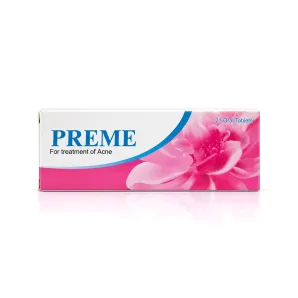
Preme
Gentle formula for skin care & less water retention
✓ In stock
105.00 ฿(฿4.11/tablet)
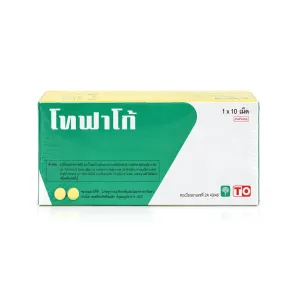
Tofago
Targeted migraine & severe headache relief
✓ In stock
40.00 ฿(฿4/tablet)
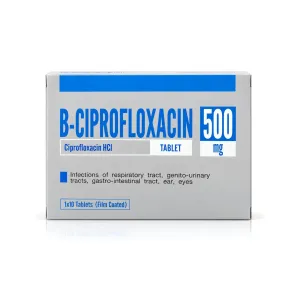
B-Ciprofloxacin
Ciprofloxacin antibiotic, effective for UTI
✓ In stock
49.00 ฿(฿4.9/tablet)
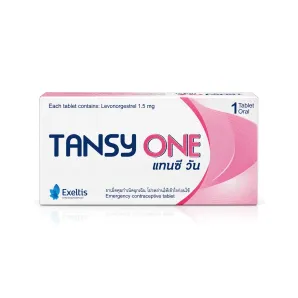
Tansy One
Single-dose emergency contraceptive pill
✓ In stock
80.00 ฿(฿80/tablet)
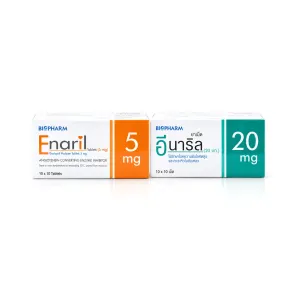
Enaril
ACE inhibitor for blood pressure & heart care
✓ In stock
From 150.00 ฿(฿1.5/tablet)
Nasonex
Daily nasal spray for allergy relief without drowsiness
✓ In stock
From 549.00 ฿