Cystitis is a lower urinary tract infection that occurs in the bladder. It is usually caused by bacteria that enter the urethra and travel up into the bladder.
Put simply — the bladder is like the body's "urine storage bag." When bacteria get into that bag, it becomes inflamed and irritated, leading to a range of symptoms.
Why Are Women More Prone to Cystitis Than Men?
The main reason is anatomy — a woman's urethra is much shorter than a man's (about 4 cm compared with 20 cm), so bacteria can reach the bladder more easily. The opening of the female urethra is also close to the anus, which is where E. coli, the leading cause of this condition, comes from.
Before getting into symptoms and treatment, here are some numbers worth knowing that show just how common this condition is.
🌍 In 2019, more than 404 million people worldwide had cystitis or another urinary tract infection
👩 50-60% of women have had cystitis at least once in their lifetime
🔄 27% of women who have had it once have a recurrence within 6 months
🦠 E. coli causes up to 75% of uncomplicated cystitis cases
👵 Women aged 65 and older have an incidence rate of up to 20%, almost double the average
Statistic
Number
Source
Global cases (2019)
404.61 million
Frontiers in Public Health, 2022
Lifetime incidence in women
50-60%
PMC, 2019
Recurrence rate within 6 months
27%
PMC, 2019
Caused by E. coli
75%
PMC, 2019
Rate in women 65+
~20%
Science Insights, 2024
What Are the Symptoms of Cystitis?
Cystitis symptoms tend to come on fairly suddenly and can disrupt daily life significantly. The most common symptoms include:
A burning sensation when urinating — the most common symptom
Unusually frequent urination — feeling the urge to urinate often, but passing only small amounts
Lower abdominal pain — a dull ache or tenderness in the lower abdomen
Cloudy urine — darker than usual, or with an unusually strong smell
Blood in the urine — a small amount of blood may be present (Hematuria)
A feeling of incomplete emptying — as if urine is still left in the bladder
Signs the Infection May Be Spreading
If any of these symptoms occur alongside the above, the infection may have spread to the kidneys (Pyelonephritis), which needs medical attention right away:
Cystitis is mostly caused by bacteria, especially Escherichia coli (E. coli), a bacterium that normally lives in the intestines but causes infection once it enters the urinary tract.
Besides E. coli, other bacteria such as Klebsiella, Proteus, and Staphylococcus saprophyticus can also be found, though much less often.
Risk Factors That Make It More Likely
Risk Factor
Details
Female sex
Shorter urethra makes it easier for bacteria to reach the bladder
Sexual activity
Increases the chance of bacteria entering the urethra ("honeymoon cystitis")
Holding in urine
Gives bacteria more time to multiply in the bladder
Low fluid intake
Concentrated urine does not flush bacteria out
Menopause
Lower oestrogen thins the vaginal and urethral lining
Urinary catheter use
Increases the chance of introducing bacteria into the urinary tract
Diabetes
Weakened immunity; sugar in the urine feeds bacteria
Many people confuse "cystitis" with "urinary tract infection" — the two terms are related, but they do not mean exactly the same thing.
Urinary tract infection (UTI) is a broad term for infection anywhere in the urinary tract — from the urethra and bladder to the ureters and kidneys
Cystitis is an infection specifically in the bladder, which is the most common type of UTI
Put simply, cystitis is "one type" of urinary tract infection.
Cystitis
Pyelonephritis
Location
Bladder (lower tract)
Kidney (upper tract)
Main symptoms
Burning urination, lower abdominal pain
High fever, back/flank pain, nausea
Severity
Mild, easy to treat
More severe, may need hospitalisation
Treatment duration
3-7 days
7-14 days
Diagnosing Cystitis
Diagnosing cystitis is usually straightforward — a doctor or pharmacist can mostly assess it from your symptoms, though some cases need further testing.
How It Is Diagnosed
Taking a history and reviewing symptoms — burning urination, frequent urination, and lower abdominal pain are usually enough for an initial diagnosis
Urinalysis — checks for white blood cells, nitrites, and blood in the urine
Urine culture — identifies the specific bacteria and tests which antibiotics it responds to; usually done for frequent recurrences or when treatment has not worked
Ultrasound / CT scan — used when a structural problem is suspected or the infection has spread
Treating Cystitis
Antibiotics — The Main Treatment
Bacterial cystitis is treated mainly with antibiotics. What a doctor prescribes depends on the type of bacteria, how severe the infection is, and the patient's medication history.
Antibiotic classes commonly used in Thailand include:
Fluoroquinolones — such as Ciprofloxacin, broad-spectrum and effective against E. coli, often used for both uncomplicated and complicated cystitis
Penicillin + beta-lactamase inhibitor — such as Amoxicillin + Clavulanic acid, suited to bacteria resistant to common antibiotics
Treatment Duration
Uncomplicated cystitis: 3-7 days
Complicated cystitis, or infection that has spread to the kidneys: 7-14 days
Important Things to Know About Taking Antibiotics
Finish the full course — never stop early even if symptoms improve, as this can lead to antibiotic resistance
Drink plenty of water — helps flush bacteria out of the urinary tract
Avoid alcohol and caffeine — while taking the medication, as they can irritate the bladder
Apply a warm compress to the lower abdomen to ease pain
Avoid spicy food, caffeinated drinks, and alcohol
Urinate as soon as you feel the urge — do not hold it in
How to Prevent Cystitis
Prevention matters just as much as treatment, especially for anyone who has had cystitis before and does not want it to come back.
Habits That Lower Your Risk
Drink enough plain water — at least 6-8 glasses a day to help flush bacteria out of the urinary tract
Do not hold in urine — urinate as soon as you feel the urge
Urinate after sex — helps flush out bacteria that may have entered the urethra
Wipe front to back — prevents bacteria from the anus reaching the urethra
Avoid scented products — soaps, sprays, or intimate cleansers with harsh chemicals
Wear cotton underwear — breathes well and reduces the moisture that lets bacteria grow
Does Cranberry Really Help Prevent It?
Some research suggests that proanthocyanidins in cranberries may help stop E. coli from sticking to the bladder wall, but the evidence is not strong enough to recommend it as a primary prevention method — the NHS notes that cranberry juice may help somewhat but should not replace antibiotics.
If you have been diagnosed with cystitis, you can order antibiotics online from Intimo Life, which carries several antibiotics used to treat cystitis, such as B-Ciprofloxacin, Cifloxin, Cobay-500, Augmentin and AMK
Sign up as a member for special offers, and you can consult a pharmacist before ordering to make sure you choose the medicine that is correct and suitable for your symptoms.
A Real Experience: My First Time With Cystitis
"At first I just felt like I was urinating unusually often and thought it was because I was drinking a lot of water. But once it started burning when I urinated and I had a dull ache in my lower abdomen, I knew something wasn't normal. I went to see a doctor and was given antibiotics — I started feeling better after 3 days, but the doctor stressed that I had to finish the full 5-day course and not stop on my own."
"What changed after that was drinking more water, not holding in urine, and urinating every time after sex. Since I changed those habits, it has never come back."
Medical Warning
⚠️ Medical Disclaimer: The content of this article is intended for general information only. It is not meant to replace advice, diagnosis, or treatment from a doctor or pharmacist. If you have symptoms or questions, consult a healthcare professional. All antibiotics should be used under the guidance of a doctor or pharmacist — do not buy and take medicine on your own without consultation.
Frequently Asked Questions
With the right antibiotic, symptoms usually improve within 1-2 days and clear up fully within 3-7 days, depending on severity and the medicine used. It's important to finish the full course even after you feel better, to prevent antibiotic resistance.
Cystitis is not contagious — it cannot spread directly from one person to another. However, sexual activity can make it easier for bacteria to enter the urethra, which is why women often notice symptoms after sex.
Yes, but it is much less common than in women, since the male urethra is longer, making it harder for bacteria to reach the bladder. Men at higher risk include those with an enlarged prostate, older men, and those using a urinary catheter.
Yes, it can be. Left untreated, the bacteria can spread up to the kidneys and cause pyelonephritis, which has much more severe symptoms such as high fever, lower back pain, and nausea — and in serious cases can lead to a bloodstream infection (sepsis).
Drinking plenty of water helps ease symptoms by diluting the urine and flushing bacteria out of the urinary tract faster, but it cannot replace antibiotics once an infection has taken hold. Drink at least 6-8 glasses a day alongside the treatment your doctor prescribes.
Cystitis is an infection of the lower urinary tract, with burning urination and lower abdominal pain as the main symptoms. Pyelonephritis is an infection of the kidneys (upper tract), with more severe symptoms such as high fever, chills, and lower back or flank pain, sometimes requiring hospitalisation. Treatment also takes longer — 7-14 days for pyelonephritis compared with 3-7 days for cystitis.
Cystitis during pregnancy needs treatment right away, because leaving it untreated can raise the risk of premature birth and low birth weight. Some antibiotics, such as the penicillin group, are safe during pregnancy, but never buy and take medicine on your own — always consult a doctor or pharmacist to choose one that is safe for both mother and baby.
A UTI is a broad term for infection anywhere in the urinary tract — from the urethra and bladder to the ureters and kidneys. Cystitis specifically means infection in the bladder, which is the most common type of UTI.
⚠️ Disclaimer
The information on this page is for general informational purposes only and is not intended to replace professional medical advice, diagnosis, or treatment from a qualified doctor or pharmacist. If you have any questions about your symptoms or medication, always consult a doctor or pharmacist first.



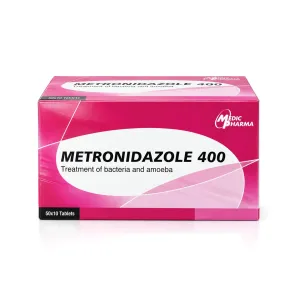 Metronidazole
 Vilerm
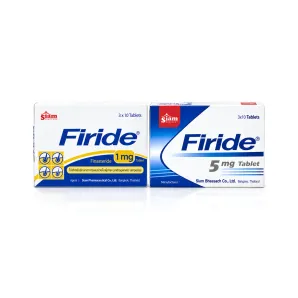 Firide
 Gofen
 Annylyn
 Sumigran
 Preme
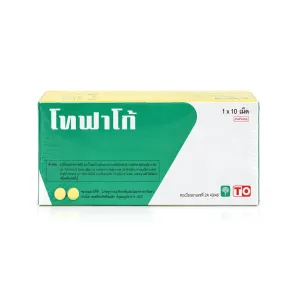 Tofago
 B-Ciprofloxacin
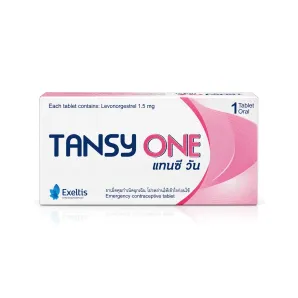 Tansy One
 Enaril
 Nasonex