What Causes Athlete's Foot?
- Athlete's foot (Tinea pedis) is a dermatophyte fungal infection thriving in damp conditions, usually starting between the toes
- Main symptoms: itching between the toes, flaky, cracked, red skin; some cases develop itchy fluid-filled blisters
- Treated with topical antifungal cream (Tolnaftate, Econazole) once or twice daily for 2-4 weeks
- Widespread, spreading to the nails, or no improvement after 2-4 weeks of cream → oral antifungal medication is needed
- Prevent recurrence: always dry feet thoroughly, wear sandals in damp public areas, don't share socks or shoes
- Despite the folk name, it's not caused by dirty water — it's a fungus that thrives in moist, damp conditions
- What Is Athlete's Foot?
- What Are the Symptoms of Athlete's Foot?
- What Types of Athlete's Foot Are There?
- Causes and Risk Factors for Athlete's Foot
- How to Treat Athlete's Foot — Which Topical Creams Work
- Topical Treatment Comparison Table
- When Do You Need Oral Medication?
- Foot Care During Treatment
- Preventing Athlete's Foot From Recurring
What Is Athlete's Foot?
Athlete's foot, medically known as Tinea pedis, is caused by the same dermatophyte fungi group as ringworm. It usually starts between the toes, especially during rainy season or in people whose feet stay damp often.
Despite the folk belief that it comes from dirty water, the real cause is fungus thriving in moist, damp conditions — whether from water or sweat.
📖 Read more: Full ringworm vs tinea versicolor overview — Ringworm vs Tinea Versicolor: How to Treat
What Are the Symptoms of Athlete's Foot?
- Itching between the toes, especially the 4th-5th toe web space
- Flaky, cracked, red skin in the toe webs and soles
- Some cases have itchy, clear blisters on the sole
- Stronger foot odor and white, macerated skin in very damp cases
What Types of Athlete's Foot Are There?
- Interdigital type — most common; flaking, cracked, itchy skin between the toes
- Moccasin type — dry, thickened, flaking skin across the whole sole, sometimes spreading to the heel and sides, resembling a moccasin shoe
- Vesicular type — itchy, clear blisters usually on the arch, which may rupture into open sores
Causes and Risk Factors for Athlete's Foot
- Wearing closed, non-ventilated shoes for long periods
- Feet staying damp often from sweat or wading through water
- Walking barefoot in damp public areas like shower rooms, pools, or gyms
- Sharing socks or shoes with others
- Weakened immunity or poorly controlled diabetes
How to Treat Athlete's Foot — Which Topical Creams Work
Topical antifungal cream is the primary treatment for athlete's foot that hasn't spread widely:
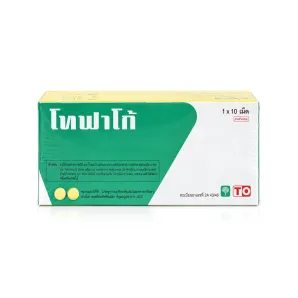
- Tolnaftate — e.g. Tonaf Cream — a non-steroid cream suited to interdigital athlete's foot
- Econazole — e.g. Zema Cream — broad-spectrum, covering both dermatophytes and yeast
How to apply it correctly
- Dry feet thoroughly before every application
- Apply a thin layer covering the toe webs and sole, once or twice daily
- Continue for 2-4 weeks, even after symptoms appear to improve
Topical Treatment Comparison Table
| Active ingredient | Example product | Best for | Duration |
|---|---|---|---|
| Tolnaftate | Tonaf Cream | Interdigital type, general flaking skin | 2-4 weeks |
| Econazole | Zema Cream | Broad-spectrum, covers yeast too | 2-4 weeks |
When Do You Need Oral Medication?
In some cases, cream alone is not enough — an oral antifungal such as Itraconazole is needed, e.g. Itraconazole (Spornar 100)
Signs oral treatment is needed
- Widespread infection or multiple sites
- Spreading to the toenails — a sign the infection is worsening
- No improvement within 2-4 weeks of cream
- Frequent recurrence or weakened immunity
Oral antifungals should be used under a doctor's or pharmacist's guidance, especially for people with liver conditions or other regular medications.
Foot Care During Treatment
- Dry feet thoroughly after bathing, especially between the toes
- Change socks daily, choosing sweat-absorbing cotton
- Rotate at least 2 pairs of shoes, letting each dry fully before reuse
- Antifungal foot powder in shoes can help reduce moisture
- Avoid scratching itchy areas to reduce risk of secondary bacterial infection
💡 Read more: Other common fungal infections — Jock Itch: Causes, Symptoms, and Treatment · Nail Fungus: How to Treat It
Preventing Athlete's Foot From Recurring
- Always dry feet thoroughly, especially after bathing or wading through water
- Wear sandals in damp public areas like shower rooms or pools
- Don't share socks or shoes with others
- Periodically disinfect shoes, especially those worn during the infection
- If jock itch or nail fungus is also present, treat them together to prevent cross-infection
Frequently Asked Questions
It's caused by dermatophyte fungi that thrive in damp conditions, usually starting between the toes. Common in people who wear closed shoes for long periods, have frequently damp feet, or walk barefoot in damp public areas.
Yes, they are the same condition. The Thai folk name suggests dirty water as the cause, but the real cause is fungus thriving in damp, moist conditions.
Yes, it spreads through walking barefoot on contaminated damp surfaces or sharing socks/shoes with an infected person. Wear sandals in damp public areas to reduce risk.
Symptoms usually improve within 1-2 weeks, but treatment should continue for 2-4 weeks even after improvement, to fully clear remaining fungus and reduce recurrence.
Yes, especially if left untreated or the treatment course isn't completed. Once it spreads to the nails, oral medication is usually needed since cream cannot penetrate the nail well.
Damp public areas with heavy barefoot traffic, such as shower rooms, poolside decks, and gym locker rooms. Always wear sandals in these areas.
If it keeps recurring despite completing cream treatment, see a doctor or pharmacist about oral medication, and review risk habits such as non-breathable shoes, frequently damp feet, or walking barefoot in public areas.
Yes — the same fungus can spread from the feet to the groin via towels or hand contact. Put on socks before underwear, and treat both areas together if both are infected.
⚠️ Disclaimer
The information on this page is for general informational purposes only and is not intended to replace professional medical advice, diagnosis, or treatment from a qualified doctor or pharmacist. If you have any questions about your symptoms or medication, always consult a doctor or pharmacist first.

Related Products
Topical and oral antifungal treatments
-
Nizoral Cream (Ketoconazole 2%) Antifungal Cream 15gKetoconazole 2% cream for ringworm, tinea & athlete's foot
✓ In stock168.00 ฿ -
Canesten Cream Antifungal Clotrimazole 1% 10gClotrimazole 1% cream for ringworm & athlete's foot
✓ In stock108.00 ฿ -
Myda-BAntifungal + steroid combo for fast itch & inflammation
✓ In stockFrom 40.00 ฿ -
Zema Lotion Antifungal Skin Treatment 15 mlEconazole 1% lotion for hairy & large skin areas
✓ In stock48.00 ฿ -
Tonaf CreamSteroid-free antifungal cream for ringworm
✓ In stock49.00 ฿ -
Zema Cream Antifungal Cream 10 gEconazole broad-spectrum cream for ringworm & Candida
✓ In stock45.00 ฿ -
Canasone-CBClotrimazole + Betamethasone antifungal-steroid cream, 15g
✓ In stock78.00 ฿ -
SpornarOral antifungal for infections unresponsive to topical care
✓ In stock40.00 ฿ -
Travogen Cream (Isoconazole Nitrate 1%) 10 gIsoconazole broad-spectrum antifungal cream
✓ In stock155.00 ฿ -
Canesten Vaginal Tablet 100mg, 6 Tablets — Yeast Infection TreatmentClears vaginal yeast infection at the source
✓ In stock200.00 ฿(฿33.33/tablet)
Become a member of our store to receive news and exclusive discounts.