Moderate (mild muscle tear, sprain) → heals in 1-3 weeks
Severe (torn muscle, chronic inflammation) → may take 4-6 weeks or longer
Age and overall health affect healing — younger people tend to recover faster than older adults or those with chronic conditions
Proper early self-care (a cold compress in the first 48-72 hours, resting the muscle, and appropriate anti-inflammatory medicine) can speed recovery significantly
Recovery time depends on the cause, location, age, and how well you care for yourself
Medically reviewed by
Supatcheree A., Pharmacist | Sources: NHS, Mayo Clinic, WHO, PubMed
How Long Does Myositis Take to Heal? By Severity Level
One of the most common questions about myositis recovery time is "how many days does muscle inflammation take to heal?" The short answer — it depends on the severity of the condition.
Muscle soreness from intense exercise or overuse (Delayed Onset Muscle Soreness, or DOMS) usually resolves on its own within 24-72 hours without medication — enough rest is usually all that's needed.
But if the inflammation comes from an injury, such as a mild muscle tear (Grade I strain), it can take 1-3 weeks. A moderate tear (Grade II) may take as long as 3-6 weeks, and a severe, complete tear (Grade III) can take several months and may require surgery.
Severity Level
Symptoms
Estimated Recovery Time
Mild (DOMS / soreness)
Soreness and stiffness after exercise, no swelling
2-3 days
Grade I (mild tear)
Pain on movement, slight stiffness
1-3 weeks
Grade II (partial tear)
Significant pain, swelling, bruising, hard to move
3-6 weeks
Grade III (complete tear)
Severe pain, major swelling, unable to use the muscle
Not everyone with myositis heals in the same amount of time. The main factors that affect recovery time include:
Age and overall health
Younger people tend to recover faster because the body repairs tissue more efficiently. Older adults or those with underlying conditions such as diabetes or vascular disease may take longer, since blood circulation and tissue repair work more slowly.
Location of the inflammation
Muscles with a rich blood supply, such as the thigh or calf, tend to heal faster than muscles with a poorer blood supply, such as the Achilles tendon or the lower back.
Early self-care
Proper first aid from the moment symptoms start — such as cold compresses during the first 48-72 hours, resting the muscle, and using anti-inflammatory medicine appropriately — can significantly shorten recovery time. Conversely, continuing to use the muscle without rest can make the condition worse and prolong healing.
Medicine and treatment
Anti-inflammatory medicine such as Gofen, an NSAID, helps reduce inflammation and relieve pain, speeding up recovery. When muscle tightness is also present, muscle relaxants such as Myonal or Mydocalm can help the muscle relax and reduce pain.
Factor
Heals Faster
Heals Slower
Age
Young, good health
Older age, underlying conditions
Location
Large muscles with good blood supply
Tendons/joints with poor blood supply
Early care
Immediate cold compress, rest
Continuing to use the muscle, no rest
Medication
Appropriate anti-inflammatory/muscle relaxant use
No treatment or incorrect medicine use
Nutrition
Adequate protein and nutrients
Poor nutrition, insufficient rest
Recovery Time by Affected Area
Different parts of the body heal at different rates because blood supply, muscle size, and how often the muscle is used all vary.
Neck, shoulder, and trapezius muscles
This is a very common site for office workers who sit at a screen for long hours. Tension and pain from poor posture usually resolve within 3-7 days with better posture and enough rest. Chronic cases from office syndrome may take longer and may need a muscle relaxant as well.
Back muscles
Back muscle inflammation from lifting heavy objects or poor posture usually resolves within 1-2 weeks for acute cases, while chronic back pain can take longer than 6 weeks. According to the NHS, most back pain improves within 4-6 weeks.
Leg, calf, and thigh muscles
Leg muscle inflammation from exercise or sport usually heals within 3-14 days for mild to moderate cases. Large muscles like the thigh have a good blood supply, so they tend to recover fairly quickly.
Arm and wrist muscles
Arm muscle pain from repetitive use, such as typing or lifting, usually resolves within 5-10 days. However, tendon inflammation (tendinitis) can take longer than 2-3 weeks.
📖 Read more: Should you use a hot or cold compress? Many people are unsure which to use — it depends on how long you've had the symptoms. For the full self-care picture, see How to Treat Myositis: Self-Care vs Doctor Visit
How to Care for Yourself So Myositis Heals Faster
Taking care of yourself the right way can significantly speed up recovery from myositis. The NIAMS (NIH) recommends the following approach.
The first 48-72 hours — the RICE method
Rest — stop using the inflamed muscle and avoid activities that make the pain worse
Ice — apply a cold pack for 15-20 minutes every 2-3 hours to reduce swelling and inflammation
Compression — wrap the swollen area with an elastic bandage to help reduce swelling
Elevation — raise the affected area above heart level to help reduce swelling
After 72 hours — start moving gently
Once the first 72 hours have passed, you can switch to a warm compress to improve blood flow and start moving gently — light stretching or slow walking — to keep the muscle from stiffening up.
Nutrition that supports recovery
Protein — helps repair muscle tissue; aim for at least 1.2-1.6 grams per kilogram of body weight per day
Vitamin C — supports collagen production, a key component of tissue
Water — stay well hydrated, as dehydration slows muscle recovery
Anti-inflammatory foods — fish rich in omega-3 and fruits and vegetables rich in antioxidants
Medicines That Help Relieve Myositis Symptoms
When pain interferes with daily life, using medicine appropriately can help you recover faster.
Anti-inflammatory drugs (NSAIDs)
NSAIDs such as ibuprofen work well to reduce inflammation and relieve pain. Gofen is an ibuprofen product that helps reduce muscle pain and inflammation; take it right after a meal to reduce stomach irritation.
Muscle relaxants
When muscle tightness accompanies the inflammation, a muscle relaxant can help the muscle relax and reduce pain. Options available in Thailand include:
Myonal — contains eperisone, which relaxes muscles and improves blood flow. It causes less drowsiness than older muscle relaxants, making it suitable for people who need to work during the day
Mydocalm — contains tolperisone, which relaxes muscles through the central nervous system, with similarly low drowsiness
Biocalm — also contains tolperisone, like Mydocalm, manufactured by Biolab Thailand
Norgesic — a combination of orphenadrine and paracetamol that relaxes muscles and relieves pain in a single tablet, working quickly for anyone who needs relief from both pain and tightness at once
Warning Signs You Should See a Doctor, Not Wait It Out
Although most muscle inflammation resolves on its own, some cases should not be left untreated. The NHS recommends seeing a doctor right away if:
The pain has not improved after 2 weeks of self-care
The pain keeps getting worse even with rest
Swelling, redness, or warmth does not go down
You have a fever along with muscle pain
The muscle is weak and you cannot lift the arm or leg
You feel numbness or a pins-and-needles sensation
Pain follows a severe injury, such as a fall from height or an accident
These signs may point to something more serious than ordinary muscle inflammation, such as a severe muscle tear, an infection, or an autoimmune disease.
💡 Looking for a muscle relaxant that fits your symptoms? Browse the curated options in the muscle relaxant collection
Frequently Asked Questions
Muscle soreness after exercise (DOMS) usually goes away on its own within 2-3 days without medicine — just get enough rest and drink plenty of water.
If the pain has not improved after 2 weeks of self-care, you should see a doctor to find the real cause — it could be a more serious injury than you think, or another condition with similar symptoms.
Rest from exercise during the first 48-72 hours. After that, you can start moving gently, but avoid intense exercise until the symptoms have fully resolved.
NSAIDs such as ibuprofen work well to reduce inflammation and pain. If muscle tightness is also present, a muscle relaxant may be added — ask a pharmacist before taking any medicine.
Sleep in a position that does not put pressure on the inflamed area. For back pain, try lying on your back with a pillow under your knees, or on your side with a pillow between your legs to reduce pressure on the muscle.
Avoid warm water in the first 48-72 hours, as it may increase swelling. After that, a warm shower is fine and can help improve blood flow and relax the muscle.
It depends on the severity and type of work. For desk jobs with mild symptoms, you can usually keep working, but stand up and stretch every 30-60 minutes. For physically demanding work, rest until symptoms improve.
Acute back muscle inflammation usually improves within 1-2 weeks, but chronic back pain can take 4-6 weeks or longer, depending on the cause and how well you care for yourself.
Not necessarily in every case. If symptoms are mild to moderate, you can usually continue your normal activities. If they are severe enough to limit movement, rest for 2-3 days before gradually returning to normal activity.
If muscle inflammation recurs often, see a doctor to find the cause — it may be due to poor posture, overuse, or an underlying condition. Strengthening exercises and regular stretching can help prevent it from coming back.
⚠️ Disclaimer
The information on this page is for general informational purposes only and is not intended to replace professional medical advice, diagnosis, or treatment from a qualified doctor or pharmacist. If you have any questions about your symptoms or medication, always consult a doctor or pharmacist first.



 Metronidazole
 Vilerm
 Firide
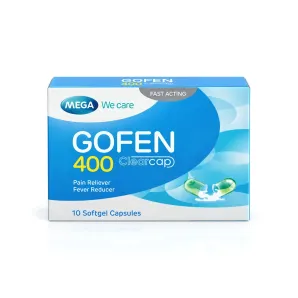 Gofen
 Annylyn
 Sumigran
 Preme
 Tofago
 B-Ciprofloxacin
 Tansy One
 Enaril
 Nasonex