
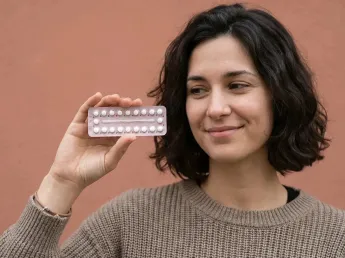
Birth control pills: types, how to take them, and what to know.
What is a birth control pill? A birth control pill is a hormonal medicine taken every day to prevent pregnancy. It comes in three main types:
- Combined pill — contains both estrogen and progestin, suitable for most people
- Mini-pill (progestin-only) — contains only progestin, suitable for breastfeeding mothers or those who cannot take estrogen
- Emergency pill — used after unprotected sex and must be taken as soon as possible
- Works through three main mechanisms: stopping ovulation, thickening cervical mucus, and making the uterine lining unsuitable for implantation
- Effectiveness reaches 91-99% when taken correctly and consistently

What's on this page?
- What Is a Birth Control Pill?
- How Many Types of Birth Control Pills Are There?
- Birth Control Pill vs. Emergency Contraceptive Pill: What's the Difference?
- How to Take the Birth Control Pill: The Basics
- What to Do If You Forget to Take the Pill
- Common Side Effects of the Birth Control Pill
- Does the Birth Control Pill Really Cause Weight Gain?
- Can the Birth Control Pill Really Treat Acne?
- How Soon Can You Get Pregnant After Stopping the Pill?
- Which Birth Control Pill Brand Is Best?
- Hormone-Balancing Medication vs. Birth Control Pill: What's the Difference?
What Is a Birth Control Pill?
Many people ask what is a birth control pill and how does it work? Birth control pills are tablets containing synthetic hormones designed to prevent pregnancy. They work through three main mechanisms: stopping ovulation, thickening cervical mucus so sperm struggle to pass through, and thinning the uterine lining so a fertilized egg cannot implant.
Birth control pills are not only for preventing pregnancy. Many women also use them to help manage other issues, such as irregular periods, severe menstrual pain, hormonal acne, or even symptoms of PCOS (Polycystic Ovary Syndrome).
Today, the birth control pill is one of the most popular contraceptive methods worldwide because it is easy to use, affordable, and up to 99% effective when taken correctly and consistently.
How Many Types of Birth Control Pills Are There?
Birth control pills fall into three main types based on their hormone content and purpose.
Combined Oral Contraceptive Pill (COC)
The combined pill contains two hormones — estrogen and progestin — that work together to stop ovulation and thicken cervical mucus. It is the most popular type because of its high effectiveness, and it can also help with skin, reduce acne, and make periods more regular.
It comes in a 21-pill pack (taken for 21 days, then a 7-day break) and a 28-pill pack (taken continuously with no break).
📖 Read more: Who Should Use the Combined Pill?
Progestin-Only Pill (POP / Mini Pill)
The progestin-only pill contains only progestin, with no estrogen, making it suitable for breastfeeding women, those who cannot take estrogen, or those at risk of blood clots. This type must be taken at the same time every day — if you are more than 3 hours late, its effectiveness drops.
Emergency Contraceptive Pill (ECP)
The emergency pill is not designed for regular use. It is meant for situations such as unprotected sex or a failure of your usual method (for example, a broken condom). It contains a high dose of hormones and works by delaying or preventing ovulation. It should be taken as soon as possible after sex, and it is most effective within the first 24 hours.
Birth Control Pill vs. Emergency Contraceptive Pill: What's the Difference?
Many people still confuse the birth control pill with the emergency contraceptive pill, even though the two serve completely different purposes and are used in different ways.
| Birth Control Pill | Emergency Contraceptive Pill | |
|---|---|---|
| Purpose | Planned, ongoing pregnancy prevention | Used after unprotected sex |
| Frequency | Taken every day | Taken once, when needed |
| Hormone dose | Low (designed for long-term use) | High (designed for one-time use) |
| Effectiveness | ~99% when taken correctly | ~85-95% depending on timing |
| Side effects | Fewer, due to the lower hormone dose | May be more noticeable, such as nausea or irregular periods |
The key point to remember is that the emergency pill should not replace your regular birth control pill, since its high hormone dose can affect your menstrual cycle.
How to Take the Birth Control Pill: The Basics
Taking the birth control pill is not complicated, but it must be taken the right way to get the highest effectiveness.
- Take it at the same time every day — setting a daily alarm helps a lot
- 21-pill pack — take continuously for 21 days, then stop for 7 days (your period comes during this break), then start a new pack
- 28-pill pack — take continuously every day with no break; the last 7 pills are inactive (placebo) pills
- Starting your first pack — it is recommended to take the first pill on the first day of your period so you are protected immediately
📖 Read more: How to Take the Birth Control Pill Correctly
What to Do If You Forget to Take the Pill
Forgetting to take the pill can happen to anyone. What matters is knowing how many pills you missed and which week of the pack you are in, because the steps to take differ.
The basics:
- Missed 1 pill → take it as soon as you remember, then continue with the next pill as usual (you may take 2 pills in one day)
- Missed 2 or more pills → it depends on which week you are in, and you may need to use condoms as backup
📖 Read more: What to Do If You Forget to Take the Pill?
Common Side Effects of the Birth Control Pill
The birth control pill is safe for most women, but because it contains hormones, it can cause some side effects when you first start, which usually improve within 2-3 months.
Side effects you may notice:
- Nausea, especially when you first start taking it
- Breakthrough bleeding between periods
- Breast tenderness
- Headache
- Mood swings
- Weight changes (a topic that is widely debated)
These side effects usually occur during the first 1-3 months. If symptoms do not improve or become severe, ask a pharmacist or doctor about switching to a different formula.
📖 Read more: Side Effects of the Birth Control Pill
Does the Birth Control Pill Really Cause Weight Gain?
This is one of the most common questions women ask. The short answer is that most research has not found the pill to cause a significant increase in weight. Some women may feel bloated in the first months, but this is usually caused by fluid retention rather than a real increase in fat.
Can the Birth Control Pill Really Treat Acne?
Some birth control pill formulas, especially combined pills with anti-androgen activity, can genuinely help reduce hormonal acne. They work by lowering androgen (male hormone) levels, which are what drive the oil glands to become overactive.
However, not every pill brand helps with acne, and it may take 2-3 months before you see results.
📖 Read more: Can the Birth Control Pill Really Treat Acne?
How Soon Can You Get Pregnant After Stopping the Pill?
Many women worry about how long they need to wait to conceive after stopping the pill. The good news is that the birth control pill does not affect long-term fertility. Most people's bodies resume ovulation within 1-3 months of stopping, although it may take a little longer for some.
Which Birth Control Pill Brand Is Best?
There are many birth control pill brands available in Thailand, each with a different hormone formula. There is no single best formula — it depends on your body and your needs, such as wanting a pill that helps with acne, one that does not cause bloating, or one suitable for breastfeeding mothers.
📖 Read more: Which Birth Control Pill Brand Is Best in 2026?
Hormone-Balancing Medication vs. Birth Control Pill: What's the Difference?
Many people confuse hormone-balancing medication with birth control pills. Although both involve hormones, they serve different purposes.
- Birth control pill — designed primarily to prevent pregnancy (though it has other secondary benefits)
- Hormone-balancing medication — designed to treat hormonal imbalances, such as missed periods, PCOS, menopausal symptoms (HRT), or endometriosis
In some cases, a doctor may prescribe a birth control pill to also serve as a hormone-balancing medication, but the two are not interchangeable in every case.
📖 Read more: What Does Hormone-Balancing Medication Help With?
Frequently Asked Questions
Most antibiotics do not reduce the pill's effectiveness. The exceptions are rifampicin and rifabutin, used to treat tuberculosis, which speed up how the body breaks down the pill's hormones and can reduce its effectiveness. If you need to take these specific antibiotics, use condoms as backup throughout the course and for 28 days after stopping them.
Alcohol does not directly reduce the pill's effectiveness. However, drinking to the point of intoxication can make you forget to take the pill or cause vomiting within 2 hours of taking it, which means it will not be fully absorbed. If you vomit after taking the pill, take a replacement pill.
It is not dangerous. Some pill formulas thin the uterine lining so much that there is no bleeding during the break, which is normal and does not harm your health. However, if you are worried you might be pregnant, take a pregnancy test to be sure.
Yes. The NHS and the FSRH now advise that taking the combined pill continuously without a break (continuous use) is a safe approach and can help reduce headaches, period pain, and PMS symptoms that occur during the break week. Ask a pharmacist before starting this approach.
No. The birth control pill only prevents pregnancy — it does not protect against sexually transmitted infections (STIs) such as gonorrhea, syphilis, or HIV. If you want protection against both, use condoms as well.
No. The birth control pill is designed to work with a woman's hormonal system specifically. If a man takes it, it has no contraceptive effect and can cause side effects from female hormones, such as breast enlargement and mood swings.
Yes. The birth control pill can be taken either before or after a meal — it does not need to be taken with food. However, if you feel nauseous after taking it, taking it with a light meal or before bed may help reduce the symptom.
It is recommended to finish your current pack first, then start the new brand the next day (with no 7-day break) to keep continuous contraceptive protection. If you want to switch mid-pack, ask a pharmacist to help you plan the switch properly.
No, this is not necessary. There is no medical evidence supporting the need to take a break from the pill. Stopping it without a reason can lead to an unintended pregnancy. You can keep taking it continuously until you want to become pregnant or a doctor advises you to stop.
Yes, always tell them. The birth control pill can affect certain blood values, such as clotting factors, thyroid levels, and blood lipid levels. Telling your doctor helps them interpret your results more accurately.
⚠️ Disclaimer
The information on this page is for general informational purposes only and is not intended to replace professional medical advice, diagnosis, or treatment from a qualified doctor or pharmacist. If you have any questions about your symptoms or medication, always consult a doctor or pharmacist first.
Related Products
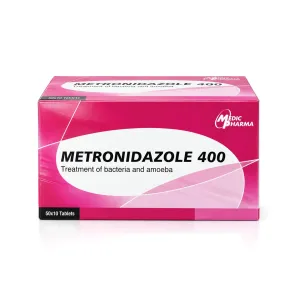
Metronidazole
Treats bacterial vaginosis & abnormal vaginal discharge
✓ In stock
40.00 ฿(฿4/tablet)
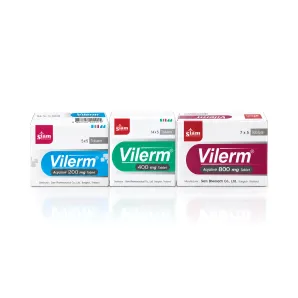
Vilerm
Oral herpes treatment reduces recurrence
✓ In stock
From 55.00 ฿(฿11/tablet)
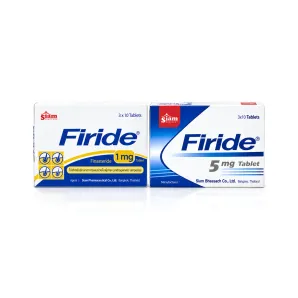
Firide
Finasteride for hair growth – quality & value
Out of stock
From 345.00 ฿(฿11.50/tablet)

Gofen
Gofen for period pain, headache & muscle ache
✓ In stock
120.00 ฿(฿12/tablet)