

Step-by-step guide on how to take birth control pills correctly, for both 21-day and 28-day packs.
When and how should you take birth control pills correctly?
- Take one pill a day, at the same time every day
- 21-day pack: take it for 21 days in a row → stop for 7 days → start a new pack
- 28-day pack: take it every day without stopping (the last 7 pills are inactive/placebo)
- Start your first pack on the first day of your period and you are protected right away
- You can take it before or after food — just keep the time consistent
- Use condoms as backup for the first 7 days if you start after day 5 of your cycle

Why does how you take the pill matter?
Knowing how to take birth control pills correctly matters: they are up to 99% effective — but that figure only holds true when they are taken correctly and consistently. In real-world use, the actual success rate is closer to 91%, because many people take it at the wrong time, forget a dose, or do not realise that certain medicines can make it stop working.
This article covers everything you need to know about how to take birth control pills, from starting your first pack to switching brands, so you can be confident it is actually protecting you.
📖 Read more: If you're not sure about the different types of birth control pills, see What is the contraceptive pill? Everything you need to know before you start
When should you start your first pack?
When you start your first pack directly affects whether you are protected right away. There are two main approaches:
Option 1: Day 1 start ✅ recommended
- Take the first pill on the first day of your period
- You are protected immediately — no backup contraception needed
- This is the approach doctors and pharmacists recommend most
Option 2: Sunday start
- Take the first pill on the first Sunday after your period begins
- The advantage is that your period tends not to fall on a weekend
- You need backup contraception for the first 7 days, since you are not fully protected yet
| Day 1 Start | Sunday Start | |
|---|---|---|
| When to start | First day of your period | First Sunday after your period begins |
| Protected immediately? | ✅ Yes, immediately | ❌ Need to wait 7 days |
| Backup contraception needed? | Not needed | Needed (first 7 days) |
| Best for | Anyone starting for the first time | Those who want their period to avoid weekends |
Important: whichever method you use, if you start more than 5 days into your cycle, use condoms as backup for at least 7 days.
How to take 21-day vs 28-day pills
21-day pills
- Take one pill a day, at the same time, for 21 days in a row
- Stop for 7 days (your period usually arrives 1–3 days after stopping)
- Start the new pack on day 8 after stopping — whether or not your period has finished
💡 Tip: 21-day packs usually print the day of the week on each pill — take the one matching today's date, so it is easy to tell if you have missed a dose.
28-day pills
- Take one pill a day, at the same time, straight through the whole pack (28 days)
- Pills 1–21 contain hormones; pills 22–28 are inactive (placebo) pills with no active ingredient
- Your period comes while you are taking the placebo pills
- When the pack ends, start the new one straight away — no gap needed
💡 Tip: 28-day packs are usually numbered 1–28 — take them in that numbered order, not by calendar date.
| 21-day pack | 28-day pack | |
|---|---|---|
| Hormone pills | 21 pills | 21 pills |
| Inactive (placebo) pills | None | 7 pills (pills 22–28) |
| Break needed? | 7-day break | No break, continuous |
| Advantage | Easy to spot a missed dose | No need to track a break day |
| Disadvantage | Must remember the restart date | Harder to spot a missed dose |
When is the best time to take it? Before or after food?
You can take birth control pills before or after food — it does not affect how well they work. What matters more is taking it at the same time every day.
Recommended timing
- After dinner or before bed — these are the easiest times for most people to remember, and if you get early nausea, taking it before bed can reduce that
- Avoid taking it in the morning if your routine is unpredictable, since it is easier to forget
What happens if you take it late?
- Combined pills (COC): being up to 12 hours late is still considered safe
- Progestin-only pills (mini pill): only 3 hours of leeway — beyond that you need backup contraception
How many days until it protects against pregnancy?
- Start on the first day of your period → you are protected immediately
- Start on any other day → you need to take it for at least 7 days in a row before it reaches full effect; use condoms as well during that time
Medicines and herbs that should not be combined with the pill
Certain medicines can make birth control pills stop working or become less effective, because they speed up how the liver breaks down hormones through the Cytochrome P450 enzyme system.
Medicines to watch out for
- Anti-seizure medicines — carbamazepine, phenytoin, topiramate, phenobarbital
- HIV antiretrovirals — efavirenz, ritonavir, darunavir
- The antibiotic rifampin — used to treat tuberculosis (common antibiotics like amoxicillin have no effect)
- The antifungal griseofulvin
- GLP-1 weight-loss medicines — such as Mounjaro or Ozempic, which may reduce absorption of oral contraceptives, especially in the first 4 weeks of use
- St. John's Wort — an herbal remedy for depression that speeds up hormone breakdown
What to do if you need to take these
- Use backup contraception (condoms) throughout the course and for 7 days after stopping
- Ask a pharmacist about switching to a non-oral method, such as an IUD
How to switch brands safely
You might need to switch brands because of side effects, cost, or wanting a formulation that suits you better.
How to make the switch
- Combined pill → a different combined pill: finish the current pack, then start the new brand straight away (no gap), or start after the usual 7-day break
- Combined pill → progestin-only (mini pill): start the mini pill the day after your last hormone pill — no need to wait for a break
- Progestin-only → combined pill: you can start the combined pill on any day, but use backup contraception for the first 7 days
Important: do not switch brands on your own without asking a pharmacist or doctor first, since different hormone formulations can affect your body differently.
Tips to help you remember
- Set an alarm — a daily reminder at the same time, e.g. 9:00 pm
- Keep it somewhere visible — next to your toothbrush, by the bed, or in your bag
- Use a reminder app — several contraception apps send alerts and track your cycle too
- Attach it to a daily habit — such as after brushing your teeth in the evening, or after washing your face before bed
- Keep a spare pack — carry one in your bag in case you stay out overnight
📖 If you've missed a pill, find out what to do in every situation: Missed a birth control pill? What to do
Summary: checklist for taking the pill correctly
| ✅ Do | ❌ Don't |
|---|---|
| Take it at the same time every day | Taking it at random times |
| Start the first pack on day 1 of your period | Starting on any day without backup contraception |
| Take the pills in the order printed on the pack | Taking whichever pill you feel like |
| Ask a pharmacist before combining with other medicines | Taking other medicines without checking |
| Use backup contraception for the first 7 days (if starting late) | Assuming you're protected immediately in every case |
📖 More articles in the birth control series:
Frequently Asked Questions
If it has been less than 24 hours, take the missed pill as soon as you remember, then take the next one at its usual time — even if that means two pills in one day. Backup contraception is not needed in this case. If more than 24 hours have passed, or you have missed several pills in a row, the risk of pregnancy is higher — use condoms as backup for at least 7 days and ask a pharmacist whether emergency contraception is needed.
Yes. If you vomit or have severe diarrhoea within 2–3 hours of taking the pill, your body may not have absorbed enough hormone. Treat it as a missed dose and take a replacement pill right away. If vomiting or diarrhoea continues for more than 24 hours, use condoms as backup until you have taken the pill normally for 7 full days.
Most antibiotics, such as amoxicillin, do not affect how well the pill works. The exception is rifampin, used to treat tuberculosis, which speeds up how the liver breaks down hormones and can genuinely reduce the pill's effectiveness. If a doctor prescribes rifampin, use condoms as backup throughout the course and for 7 days after stopping, and always tell your pharmacist that you are taking the pill.
Current medical evidence does not show that birth control pills cause real weight gain. The bloating many people notice in the first two to three months is usually fluid retention from oestrogen, not added fat, and it typically settles as the body adjusts. If weight keeps climbing and it worries you, ask a pharmacist or doctor to check for another cause.
No. The 7-day break is when your period arrives, and you do not take any pills during it. Just count 7 full days and start the new pack on day 8, whether or not your period has finished. The key is never to extend the break beyond 7 days, as that lowers how well it protects against pregnancy.
Yes, but shift it gradually — no more than 1–2 hours earlier or later each day until you reach the new time. Avoid jumping several hours at once, since that can leave the gap between two doses too long or too short and affect how well it protects you, especially with progestin-only (mini) pills, which are very time-sensitive.
In Thailand, most combined birth control pills can be bought from a pharmacy without a prescription, though a pharmacist should review your health history first to help choose a suitable formulation — especially if you have an underlying condition or a raised risk of blood clots. Intimo Life has a pharmacist available to consult before you order.
For most people, ovulation and the chance of pregnancy return within one menstrual cycle after stopping. Some people take several months longer for their cycle to settle back to normal, which is common and does not necessarily signal a fertility problem. If you are planning a pregnancy, talk to a doctor about preconception care.
⚠️ Disclaimer
The information on this page is for general informational purposes only and is not intended to replace professional medical advice, diagnosis, or treatment from a qualified doctor or pharmacist. If you have any questions about your symptoms or medication, always consult a doctor or pharmacist first.
References
- NHS — Combined Pill: How to Take It
- Mayo Clinic — Birth Control Pill
- Cleveland Clinic — What Medications Interfere With Birth Control Pills?
- WHO — Contraception
- ACOG — Hormonal Birth Control Methods
- PubMed — Drug Interactions with Oral Contraceptives
- PMC — Combined Oral Contraceptives As Victims of Drug Interactions
- MedlinePlus — Ethinyl Estradiol and Norethindrone (Oral Contraceptives)
- FDA — Birth Control
- MedlinePlus — Birth Control
สินค้าที่เกี่ยวข้อง
ยาคุมกำเนิดในร้าน
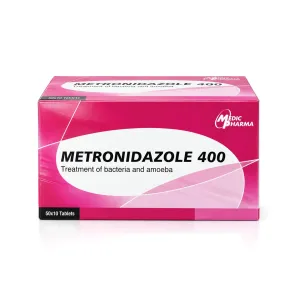
Metronidazole
Treats bacterial vaginosis & abnormal vaginal discharge
✓ In stock
40.00 ฿(฿4/tablet)

Vilerm
Oral herpes treatment reduces recurrence
✓ In stock
From 55.00 ฿(฿11/tablet)
Firide
Finasteride for hair growth – quality & value
Out of stock
From 345.00 ฿(฿11.50/tablet)

Gofen
Gofen for period pain, headache & muscle ache
✓ In stock
120.00 ฿(฿12/tablet)
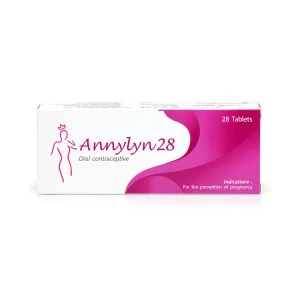
Annylyn
Annylyn birth control pill, simple & easy-to-use
✓ In stock
118.00 ฿(฿4.21/tablet)

Sumigran
Targeted migraine relief, gentle on stomach
✓ In stock
98.00 ฿(฿16.33/tablet)

Preme
Gentle formula for skin care & less water retention
✓ In stock
105.00 ฿(฿4.11/tablet)
Tofago
Targeted migraine & severe headache relief
✓ In stock
40.00 ฿(฿4/tablet)
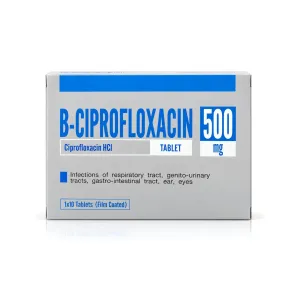
B-Ciprofloxacin
Ciprofloxacin antibiotic, effective for UTI
✓ In stock
49.00 ฿(฿4.9/tablet)
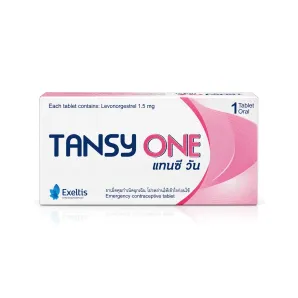
Tansy One
Single-dose emergency contraceptive pill
✓ In stock
80.00 ฿(฿80/tablet)
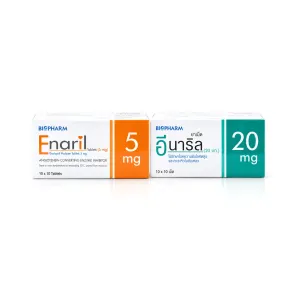
Enaril
ACE inhibitor for blood pressure & heart care
✓ In stock
From 150.00 ฿(฿1.5/tablet)
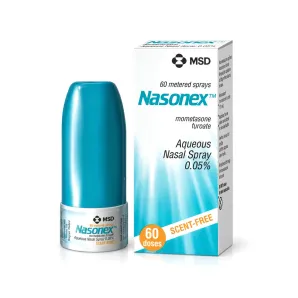
Nasonex
Daily nasal spray for allergy relief without drowsiness
✓ In stock
From 549.00 ฿