Jock Itch: Causes, Symptoms, and Treatment

Jock Itch: Causes, Symptoms, and Treatment

What Causes Jock Itch?

  • Jock itch (Tinea cruris) is a dermatophyte fungal infection of the groin, common in people who sweat heavily or wear tight clothing
  • Main symptom: an itchy red rash in the groin with a clear border, may spread to the inner thigh
  • Localized, mild rash → topical antifungal cream (Tolnaftate, Econazole) for 2-4 weeks usually clears it
  • Widespread, recurring, or no improvement after 2 weeks of cream → oral antifungal (Itraconazole) is needed
  • Prevent recurrence: wear loose, breathable clothing, dry the skin fully before dressing
  • Jock itch is not a sexually transmitted infection, but it can spread through contact or shared items
Supatcheree A., Pharmacist

Medically reviewed by

Supatcheree A., Pharmacist | แหล่งข้อมูล: NHS, DermNet NZ, MedlinePlus (NIH), NCBI StatPearls

Last reviewed: 2026-07-09

What Is Jock Itch and What Fungus Causes It?

Jock itch, medically known as Tinea cruris, is a form of ringworm affecting the groin area. It is caused by dermatophyte fungi — the same group that causes skin ringworm (Trichophyton, Epidermophyton) — which thrive in warm, damp conditions like the groin, an area covered by clothing all day.

It is more common in men than women, particularly teenagers and working-age adults who exercise or sweat heavily.

📖 Read more: Full ringworm vs tinea versicolor overview — Ringworm vs Tinea Versicolor: How to Treat

How to Recognize Jock Itch Symptoms?

  • Red or reddish-brown rash with a clear border, ring or half-ring shaped, in the groin, may spread to the inner thigh
  • Intense itching, especially with sweating or heat
  • Skin may become flaky or cracked along skin folds
  • Some cases develop a burning, inflamed rash from scratching
  • Usually does not spread to the genitals (unlike Candida yeast infection) — if it does, suspect a different cause

How Jock Itch Differs From Other Groin Rashes

Groin rashes have several possible causes — not every rash is jock itch:

  • Candida (yeast) infection: a brighter red rash with small red satellite bumps around the main patch, often spreading to the scrotum or genitals
  • Intertrigo: caused by friction and moisture, without jock itch's clearly defined ring border
  • Contact dermatitis: from soap or detergent allergy, rarely ring-shaped and often more burning than itchy

If unsure whether a rash is jock itch, have a pharmacist or doctor check before buying cream on your own.

Risk Factors That Make Jock Itch More Likely

  • Heavy sweating — athletes, outdoor workers
  • Tight clothing or underwear with poor ventilation
  • Excess weight — increases friction and moisture in the groin
  • Prior athlete's foot spreading to the groin via towels or hands
  • Weakened immunity, e.g. poorly controlled diabetes
  • Thailand's hot, humid climate — a year-round risk factor

How to Treat Jock Itch — Which Topical Creams Work

Topical antifungal cream is the primary treatment for jock itch that hasn't spread widely:

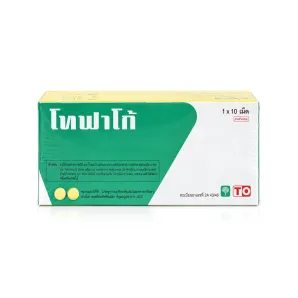
  • Tolnaftate — e.g. Tonaf Cream — a non-steroid cream effective for groin ringworm and athlete's foot
  • Econazole — e.g. Zema Cream — broad-spectrum, covering both dermatophytes and yeast

How to apply it correctly

  • Apply a thin layer extending 1-2 cm beyond the visible rash border
  • Apply once or twice daily for 2-4 weeks, even after the rash appears to fade
  • Wear loose clothing during treatment to help the cream absorb and skin stay dry

Topical Treatment Comparison Table

Active ingredientExample productHighlightTypical duration
TolnaftateTonaf CreamNon-steroid, gentle2-4 weeks
EconazoleZema CreamBroad-spectrum, covers yeast too2-4 weeks
KetoconazoleSame drug classWorks on both ringworm and tinea versicolor2-4 weeks
ClotrimazoleSame drug classEffective for general ringworm2-4 weeks

When You Need Oral Antifungal Medication

In some cases, cream alone is not enough — an oral antifungal such as Itraconazole is needed, e.g. Itraconazole (Spornar 100)

Signs oral treatment is needed

  • Widespread infection, growing larger
  • No improvement after a full 2-week course of cream
  • Frequent recurrence within a few months
  • Weakened immunity, e.g. diabetes or immunosuppressants

Oral antifungals should be used under a doctor's or pharmacist's guidance, especially for people with liver conditions or those taking other regular medications.

Self-Care While Treating Jock Itch

  • Dry the skin thoroughly after showering or exercise, especially the groin
  • Wear cotton underwear, changed daily
  • Avoid scratching the rash to reduce risk of secondary bacterial infection
  • Use a separate towel, don't share with others, and wash it in hot water
  • If athlete's foot is also present, treat both together to prevent cross-infection (put on socks before underwear)

💡 Read more: Other common fungal infections — Nail Fungus: How to Treat It · Athlete's Foot: How to Treat It

Preventing Jock Itch From Recurring

  • Complete the full treatment course even after the rash fades
  • Choose breathable clothing, especially during exercise
  • Shower and change clothes promptly after heavy sweating
  • Don't share towels or clothing with others
  • No need for embarrassment — consult a pharmacist or order online discreetly. Intimo Life ships in plain packaging with no product names shown.

Frequently Asked Questions

Jock itch is caused by dermatophyte fungi that thrive in the warm, damp groin area. It's common in people who sweat heavily, wear tight clothing, or carry excess weight.

Yes, it can spread through direct skin contact or shared items like towels and clothing. Keep personal items separate while the rash is active.

Yes — the same fungus causing athlete's foot can spread to the groin via towels or hand contact. Treat both areas together if both are infected.

Symptoms usually improve within 1-2 weeks, but treatment should continue for 2-4 weeks even after the rash fades, to fully clear remaining fungus.

Jock itch appears as a ring-shaped rash with intense itching at the border. An allergic contact rash usually isn't ring-shaped and burns/itches across the contact area. See a pharmacist or doctor if unsure.

Yes, although it's more common in men. Risk factors like heavy sweating, tight clothing, or excess weight can affect anyone.

If it keeps recurring despite completing cream treatment, see a doctor or pharmacist about oral medication, and review risk habits such as tight clothing, incomplete drying, or sharing personal items.

Yes — creams like Tolnaftate or Econazole work on both, since the same dermatophyte fungi cause both conditions. Use separate tubes for each area to avoid cross-contamination.

⚠️ Disclaimer

The information on this page is for general informational purposes only and is not intended to replace professional medical advice, diagnosis, or treatment from a qualified doctor or pharmacist. If you have any questions about your symptoms or medication, always consult a doctor or pharmacist first.

Dispatched within 24 hrs

Order today for fast delivery. No long waits—ready to ship locally.

100% Authentic

Handpicked authentic products with certified standards.

Discreet Shipping

Plain packaging, no product names. Your privacy is our priority.

Affordable prices

Fair prices, exceptional value. Quality you can choose.

Recently viewed products